Please sign in as a member or guest below to access it.
Please sign in as a member or guest below to access it.

Here’s the dirt on drains.
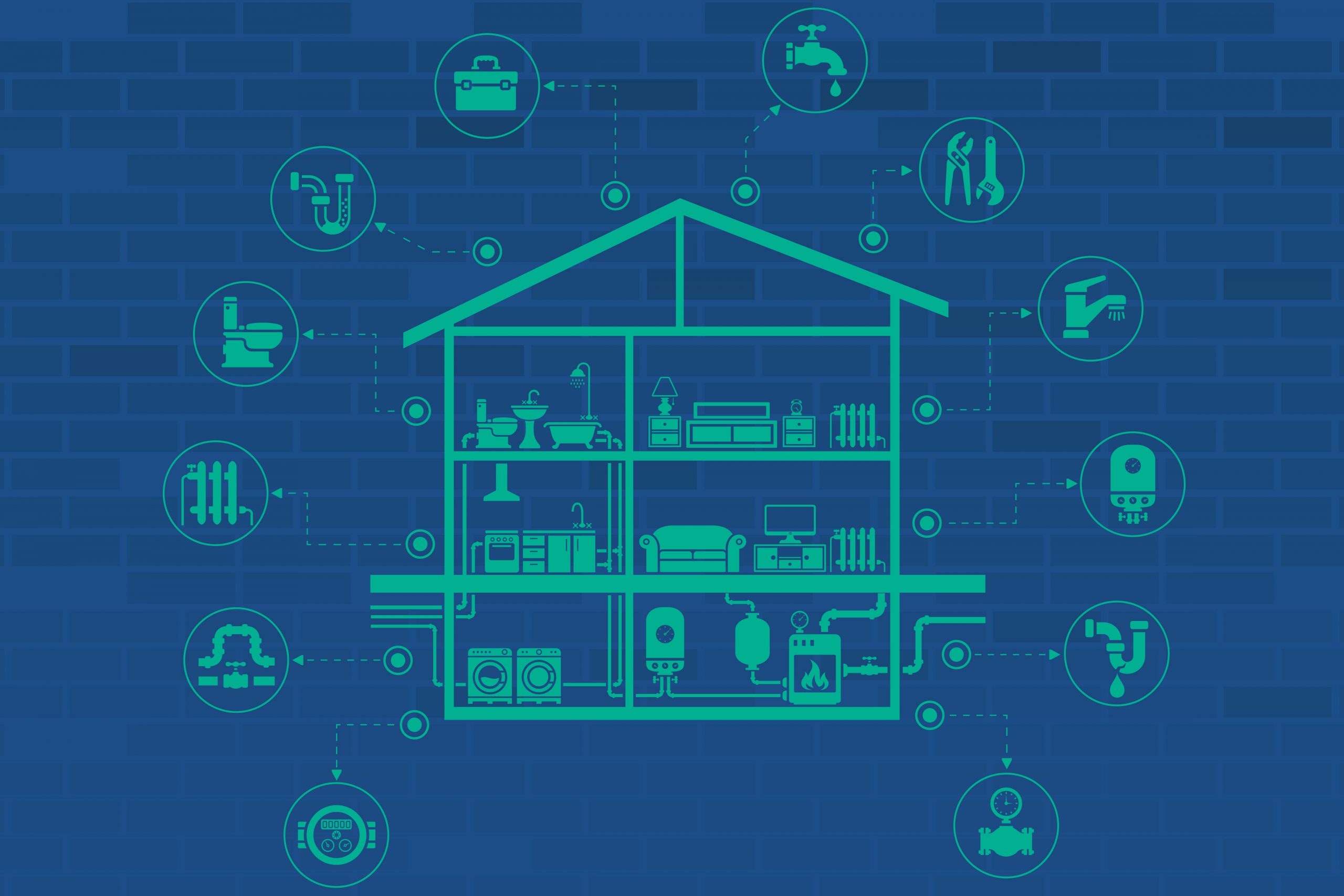
Have you cleared your roof gutters in the past year? Are you using your garbage disposal correctly? Does a pool of water collect around your feet every time you shower?
All these questions can be summed up into one: When was the last time you thought about the drains in your home? They may be out of sight and out of mind, but drains that are improperly used or are not cleaned regularly can spell water damage, plumber visits, and lots of money, well, down the drain.
With winter past and Texans heading into spring-cleaning mode, now’s the time to learn about the drains in and around your home, best practices, and how to keep them working correctly.
If an April shower (or storm) passes through and your gutters and spouts are clogged with debris, you may be courting water damage to your roof and home insulation or even possible flood damage to your foundation. Cluttered gutters can also look inviting for nesting pests and mold when the warmer months arrive — double-trouble.
Early spring is the perfect time of year for a gutter cleaning. Clearing gutters and spouts is a reasonably simple task to do on your own. However, hiring a professional may be in your best interest (especially with older homes) to help you check for the more technical adjustments that need to be made — like the slope of the gutters, whether new sealant needs to be applied, and whether any sections of piping should be replaced.
Kitchen and bathroom sinks that aren’t regularly cleaned can create problems that will fester for months inside the cabinet before you realize they’re there, like bacteria, mold, tiny leaks, and stagnant water that can attract drain flies. To prevent problems like these, avoid rinsing anything down the drains of your bathroom sinks except water, soaps, and toothpaste. Wipe out any debris with toilet paper or a paper towel and discard it in the trash (not the toilet) to keep it from clogging the pipes.
Even if you’re mindful of what you put down the drain, regular cleaning can help diminish any unseen residue buildup. One step in preventative maintenance is DIY drain cleaner: Mix 1/2 cup of baking soda and 1/4 cup of salt and pour the mixture into the drain. Add 1 cup of warm vinegar, then rinse it with hot water. This can help kill bacteria and flush substances that have been gathering in your drain.
Kitchen sinks with garbage disposals may be convenient, but they have a few essential rules to avoid damaging the system and clogging the pipes on the other side. The first rule of using a garbage disposal is to realize it’s not a garbage can — people often flush food waste like lemon peels, eggshells, and coffee grounds down the disposal. While these things might seem to go down smoothly initially, they can dull your blades, jam your disposal’s motor, and block the drains.
Grease, fat, and oil are also commonly drained into the kitchen disposal, but these sticky liquids will accumulate in your drain and on the blades over time, leading to your disposal not working correctly (or at all).
Your garbage disposal is meant for small scraps of soft food that come off when rinsing dishes. Be sure to run water before turning on your disposal to help all the food in the chamber wash through.
You can tell a clog is forming in the shower drain when you find yourself standing in a small pool of water or when the tub empties slowly. Nine out of 10 times, the culprit is hair. You can remove the clog with a simple tool called a plumber’s snake, a long plastic stick that you can thread down the drain to catch any loose hair on the appliance’s hooks.
Plumbers also recommend installing a mesh hair drain in your shower to catch any hairs before they reach the drain. And, if your pet needs a scrubbing, do it in the backyard or on the driveway rather than in the tub — thick animal hair is a drain’s worst nightmare.
To keep your toilet drains in tip-top condition, only flush toilet paper and human waste. Paper towels, cat litter, and other hygiene products should go in the trash can. As for so-called “flushable wipes,” most plumbers recommend tossing them in the bin, too, since the size of toilet drains varies between bathrooms.
Add drain care to your annual cleaning schedule — your home will thank you.
© 2024 Texas Farm Bureau Insurance
How to Set Your Thermostat in Summer
What is the most comfortable — and efficient — summer thermostat setting? We try to settle the debate for good.
Cut Your Utility Bill With Cool Alternatives
Try these tips to cut your utility bill this summer.
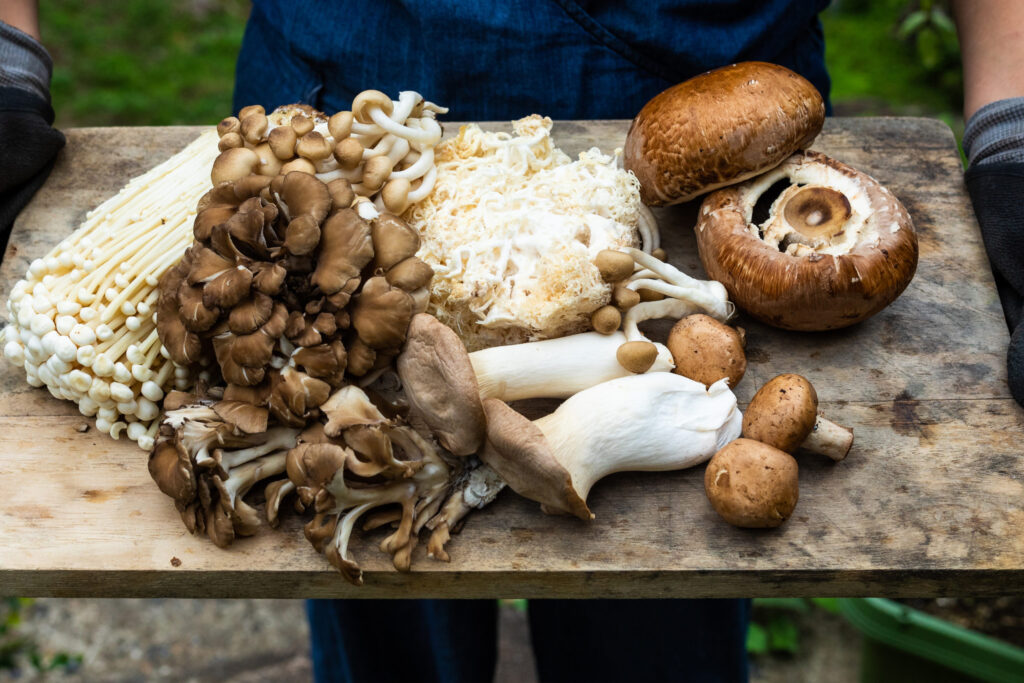
How to Start an Indoor Mushroom Garden
The best part: Mushrooms don’t take much room.

Common Hidden Home Problems in Texas
Some of the most serious issues could be growing under your nose.

Plan out a year of seasonal gardening with your personalized calendar that tells you when to begin germination, planting, and harvesting.
Cold-Weather Herbs to Keep In Your Kitchen
These hardy herbs can outlast the frost and keep your garden green all winter.