Please sign in as a member or guest below to access it.
Please sign in as a member or guest below to access it.

This is what 200 years of taco evolution looks like.
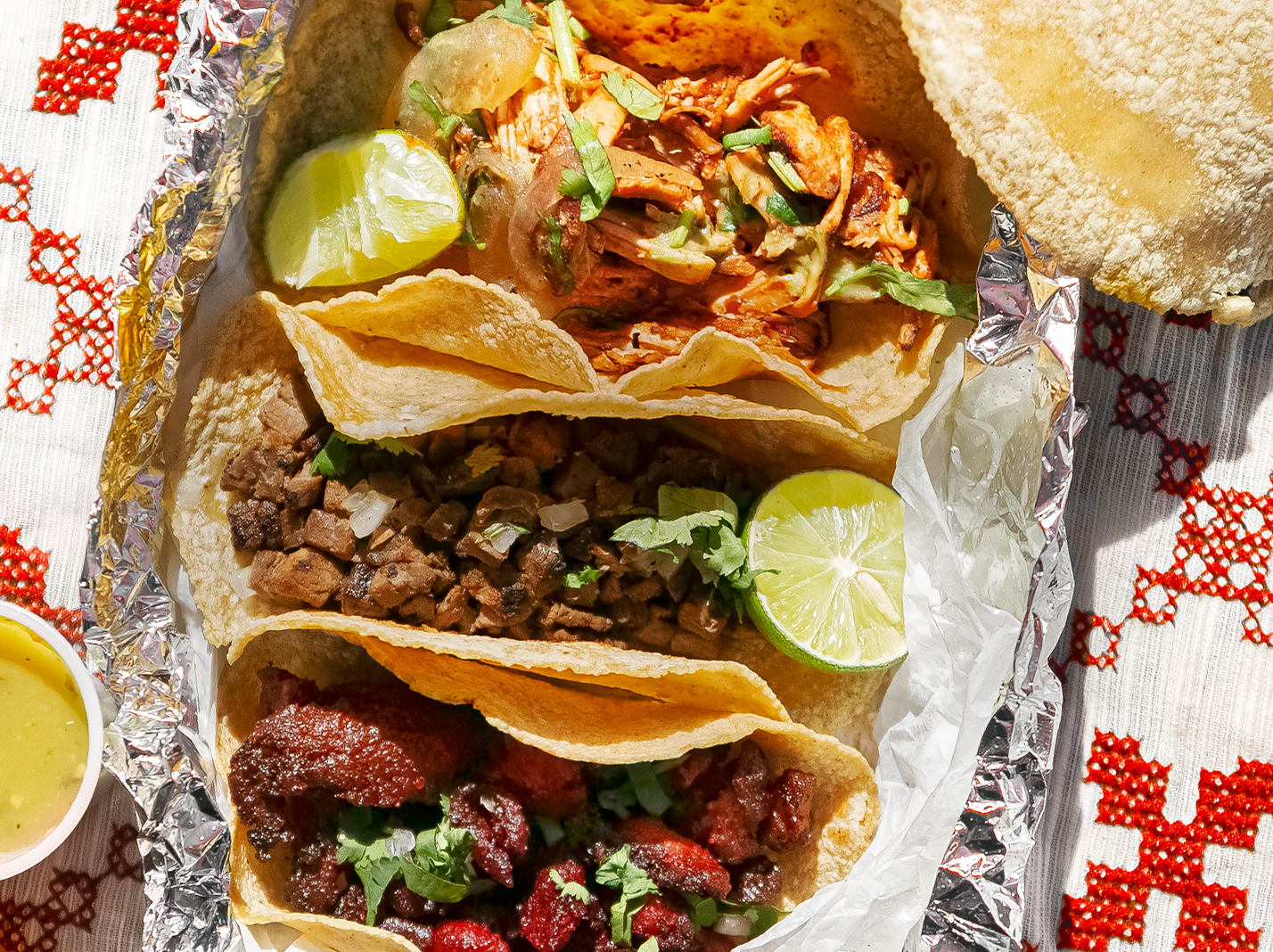
There is no dish more simple, versatile, refinable, and imaginative than the taco. We enjoy tacos for breakfast, lunch, and dinner; at brunch; and on midnight fast-food runs. The simple formula of tortilla-plus-filling has made the taco an infinitely adaptable, endlessly evolving cornerstone of Texas’ culinary tradition.
The taco’s Texas roots run deep. The beloved handheld food reflects the state’s melting pot culture and a history of blurred borders. Different cities and regions around the state boast their own homegrown taco traditions, from San Antonio’s puffy taco to the Rio Grande Valley’s unique barbacoa. A Tex- Mex touchstone, the taco appears with new, experimental fixings every day on Mexican, Texan, and Tejano tables.
How did such a modest morsel become a beloved staple in Texas culture? The answer to that question invites a journey back through Texas’ heritage and into the kitchens of some of the most adventurous chefs working in Texas today.
While the corn tortilla has been a staple of indigenous cuisines in North America for thousands of years, it is believed that the modern taco has roots in the silver mines of Mexico during the 1800s. Those miners called the wrapped gunpowder charges they used in the mines “tlaco” or “tacol.” The name was soon adapted to refer to the modest lunches they brought into the mines: steamed meat wrapped in tortillas and lit up by fiery salsa.
As the cities of Mexico expanded, factory workers regularly visited taco stands run by women who migrated from the countryside to the new urban market. These chefs introduced regional diversity to the preparation of meats and salsas, and tortillas were a simple vehicle for all the varieties. But, according to taco journalist and historian José R. Ralat, the word “taco” didn’t make it into the printed culinary lexicon until the end of the 19th century, when it appeared in “Los Bandidos de Río Frío,” a novel by Manuel Payno, and in an 1895 Mexican dictionary.
By that time, many parts of Texas had a well-established blend of Mexican- American culture. By the early 20th century, taco recipes were popping up in American cookbooks, most of them for fried-tortilla tacos. The fried variant of the taco has its own deep traditions in both Native American communities north of the border and Mexico, where fried tacos are a common breakfast food. But in Texas, the fried- shell taco would birth a new taco tradition.
By the mid-20th century, Texas began to develop its own distinct taco. In 1956, the Lopez family in San Antonio opened a restaurant that began serving the now-iconic puffy taco, made by frying a corn tortilla in oil until it inflates and turns crispy. U.S. government policies around that time provided impoverished Mexican communities in Texas with rations of flour. This led to the rise of the flour tortilla as a distinctive Texan variant, with tacos al carbon emerging as a mainstay of Tex-Mex cuisine.
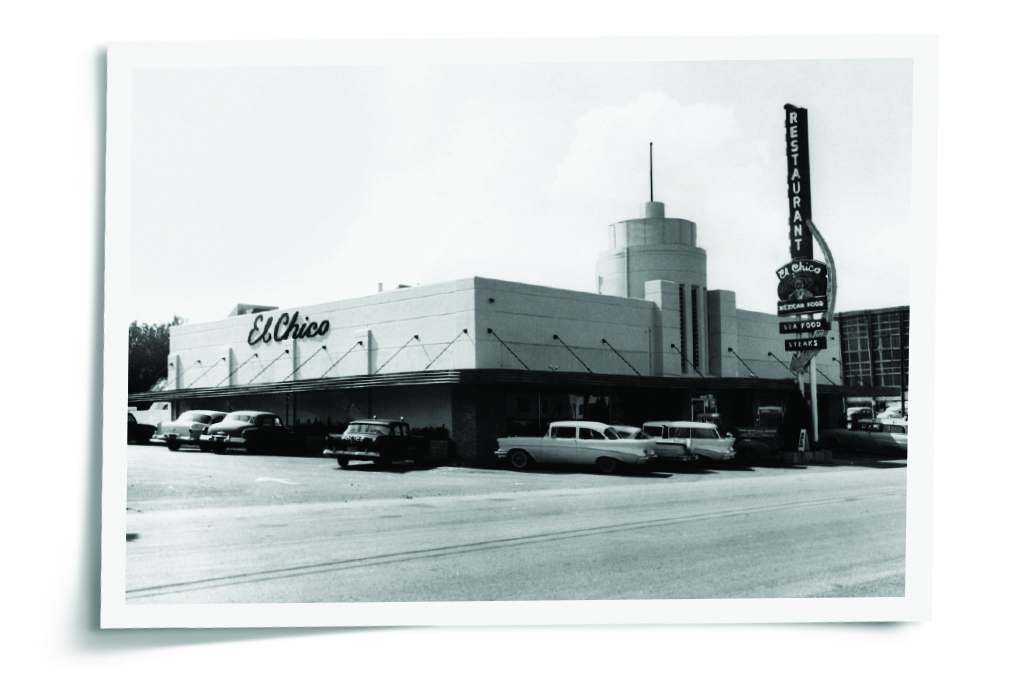
In the late 1960s, cookbook author Diana Kennedy helped distinguish Tex-Mex cuisine as its own culinary tradition separate from traditional Mexican cooking. But the Texas taco was already familiar to combo plates at popular chains like El Chico and El Fenix, featuring a standard mix of ground beef in a fried corn shell topped with lettuce, tomato, and cheese.
Of course, this was only one branch of the Texas taco’s large family tree. Breakfast tacos in Austin, barbacoa tacos in the Rio Grande Valley, and modern reinventions of the taco at food trucks around the state have continued the cross-cultural dialogue that has allowed the Texas taco’s continued evolution.
Today, food lovers in Texas can seek out tacos with roots in every region of Mexico, as well as flavors and twists unique to Texas culture. And while tacos are often affordable, convenient, and quick to order, more and more chefs are including tacos on the menus of fine-dining establishments — an indication of the ubiquitous affection for a food born as a miner’s simple lunch.
A few years ago, a simple question over who invented the breakfast taco turned into a high-profile spat between the mayors of Austin and San Antonio. The disagreement illustrated the deep-seated convictions about taco traditions shared by Texans. And while we won’t claim to offer the definitive answer, here are a few of what are undoubtedly Texas’ most beloved regional takes on the taco.
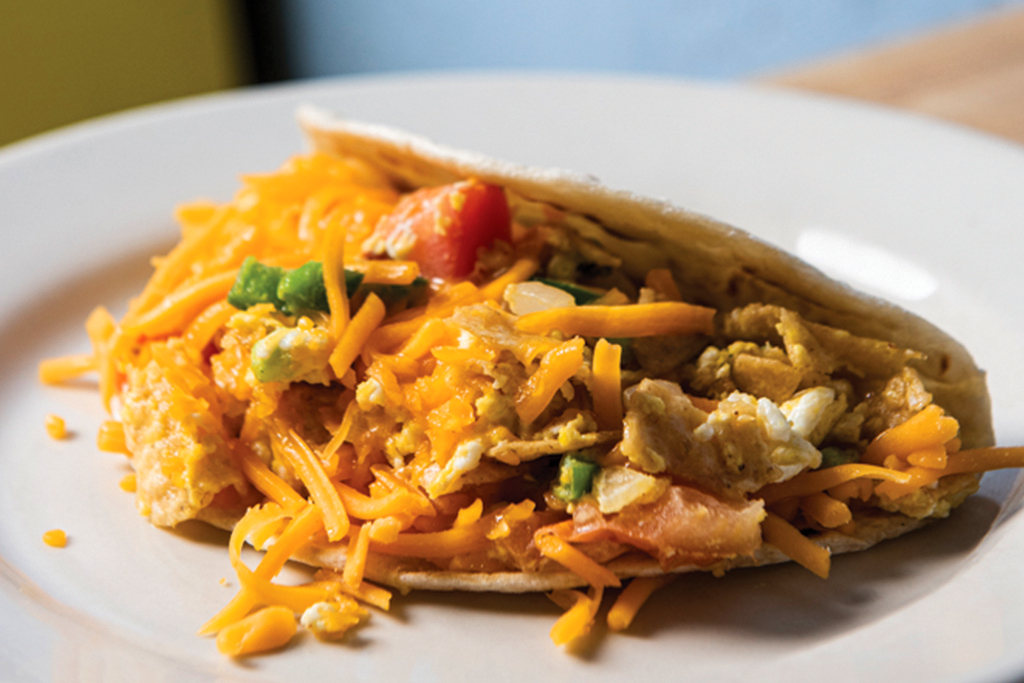
Migas Tacos, Joe’s Bakery & Coffee Shop, Austin
Migas, an egg-and-cheese scramble elevated by crispy crumbles of fried tortilla strips, is the Texas capital’s signature breakfast. Joe’s Bakery & Coffee Shop in East Austin elevates the experience by adding some refried beans — a Mexican breakfast staple — to the mix.
Barbacoa Tacos, Vera’s Backyard Bar-B-Que, Brownsville
Barbacoa is connected to the long vaquero-ranching history of the Rio Grande Valley. The last joint in Texas that still prepares barbacoa using the traditional technique — by smoking a cow’s head over mesquite in a backyard pit — is Vera’s Backyard Bar-B-Que, which serves its barbacoa in heaping paper cartons and provides plenty of tortillas to scoop up and enjoy this one-of-a-kind favorite.
Breakfast Tacos, Chacho’s Tacos, Corpus Christi
Many Texas cities lay claim to the breakfast taco, but there are few places where you can dine on anything like the Almighty Chaco’s Taco at Chacho’s Tacos. Beans, potato, eggs, carne asada, cheese, and bacon are all packed into a 14-inch, burrito-sized flour tortilla that weighs in at a hefty 3 1/2 pounds.
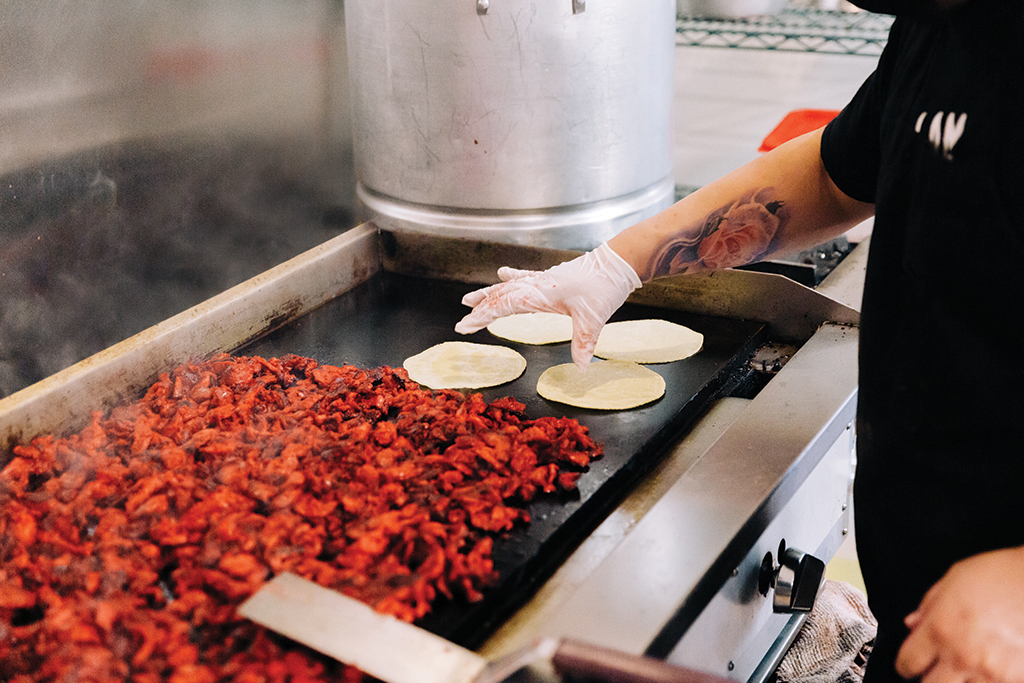
Tacos Trompo, Trompo, Dallas
Dallas is undergoing a tacos revolución, inspired by everything from French cuisine to cherished family recipes. One of the best tacos in town is found behind a modest walk-up window in Dallas’ Oak Cliff neighborhood, where chef Luis Olvera has perfected a personalized approach to a Northern Mexico-style of al pastor. The endeavor earned Trompo a spot on Bon Appétit’s list of America’s best restaurants.
Carnitas Tacos, Carnitas Queretaro, El Paso
Carnitas tacos are an El Paso classic, made by slow-cooking pork shoulder and then frying it in its own fat until crisp. While you can find fabulous carnitas tacos at stands all over the city, the tacos served up at Carnitas Queretaro are particularly delicious when paired with the restaurant’s smoky chile de arbol salsa.
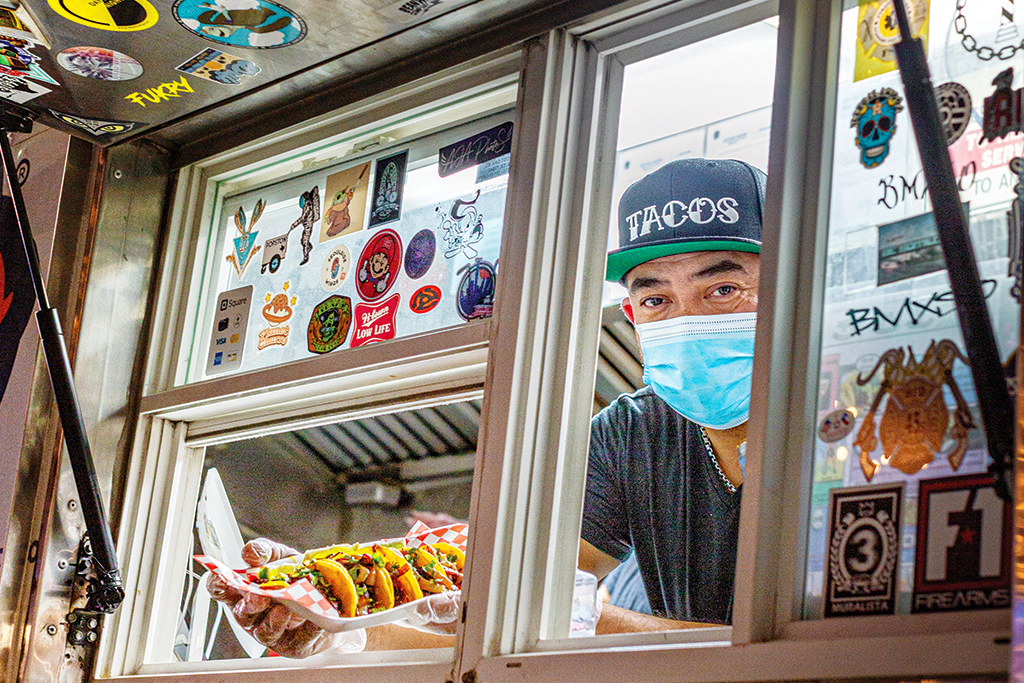
Tacos al Pastor, La Macro, Houston
It’s said that Texas’ culinary capital boasts a taco truck on every corner. It feels appropriate that the style most beloved by big-city Houstonians is the style most typical of bustling Mexico City: the al pastor taco. La Macro food truck serves it traditional Mexico City style, with citrus-marinated pork stacked on a spit where it’s slow roasted and carved.
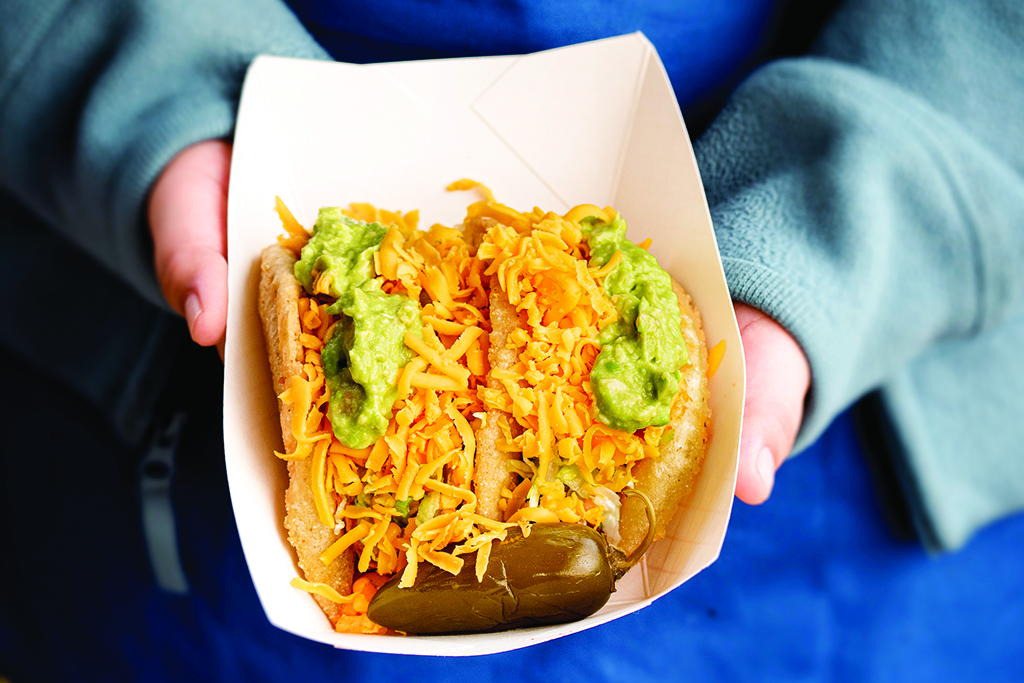
Puffy Tacos, Ray’s Drive Inn, San Antonio
Ray’s Drive Inn is ground zero for Texas tacos. It’s where a homemade mix of oil-fried masa birthed San Antonio’s beloved puffy taco. This Texas-exclusive is best stuffed with your choice of filling (stewed beef is the classic option) and topped with lettuce and tomato.
Although many taco joints will offer you a choice between flour and corn tortillas, Mexican food aficionados often swear that the corn tortilla is the authentic choice. It is true that the flour tortilla dominates in Texas like nowhere else, appearing in Tex-Mex restaurants for tacos al carbon, grilled fajitas, or served on its own with hot butter, like a biscuit. But the flour tortilla has a rich history in the cuisine of Northern Mexico. Fresh flour tortillas — often made with a little baking powder that helps them billow up when warmed — are sturdier than corn tortillas, making them an essential vehicle for breakfast tacos and other messy fare.
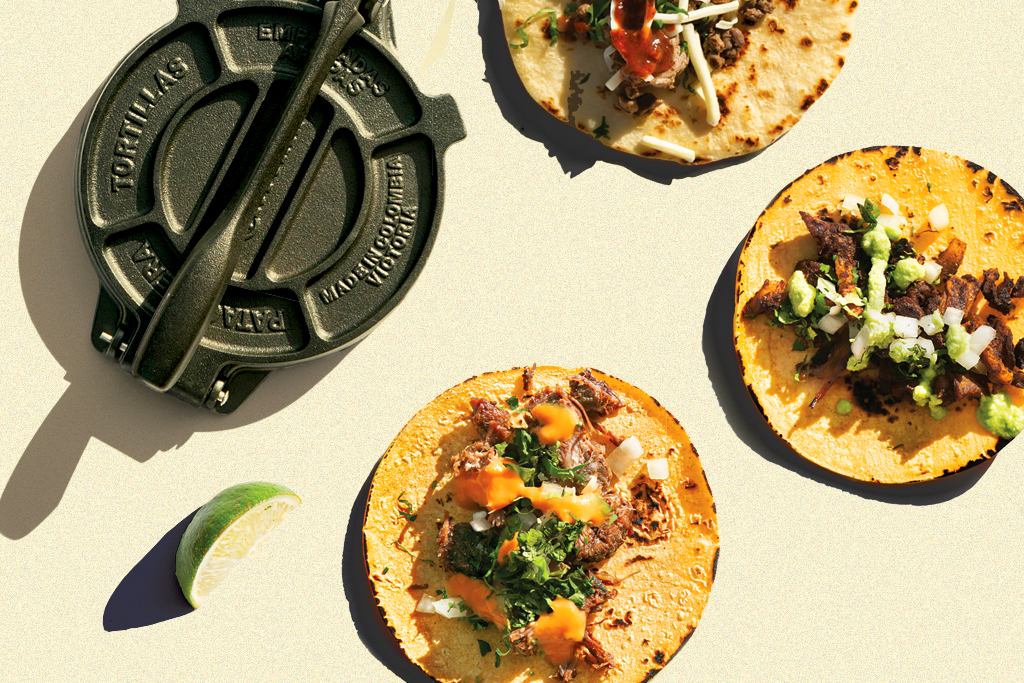
The genius of the taco lies in its simplicity. All you need is a tortilla and a filling. And while there are infinite ways to reimagine this basic combination, you’ll find a handful of taco styles throughout Texas. Here’s a cheat sheet for ordering street-style tacos.
Barbacoa: “Barbecue.” Traditionally, this was prepared by slow-cooking a cow’s head over mesquite in a pit, but at most taco joints today, the meat is braised or steamed and can use a variety of cuts.
Bistec: Beefsteak cooked on a grill or griddle and finely chopped.
Cabrito: Young goat meat, a specialty popular in Monterrey, Mexico, and several South American countries.
Camarón: Shrimp, grilled or battered, and typically served with a slaw.
Carnitas: Crispy pork shoulder or butt, simmered or slow- cooked and then fried in its own fat.
Carne asada: Grilled steak, often seared to give it a charred taste.
Lengua: Cow tongue, braised and chopped.
Nopales: Cactus pads.
Al pastor: “The shepherd’s way.” This is a Mexico City- style taco consisting of citrus-marinated pork cooked with pineapple on a rotating spit.
Al vapor: A steamed taco that dates back to the meals prepared by Mexico City silver miners called tacos mineros.
The taco’s popularity grew out of factories and working ranches, and it remains deeply connected to street culture and urban life. But there are Texas chefs who are taking this simple, traditional food and turning it into fine dining.
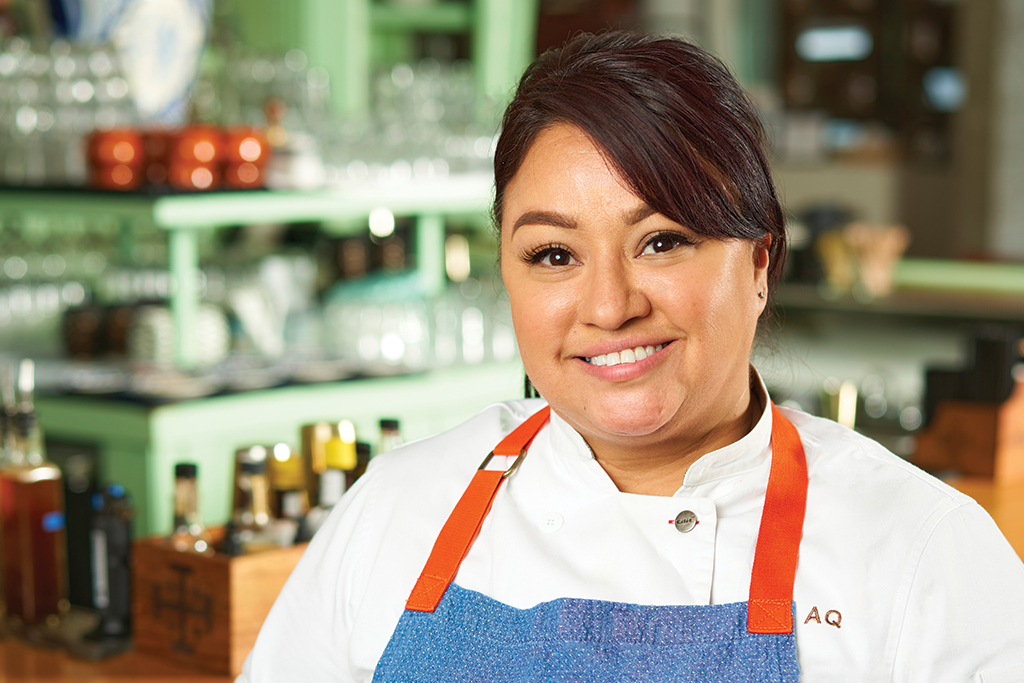
Anastaci Quiñones- Pittman left Texas to study at the Culinary Institute of America in New York before going on to work at the prestigious, French- inspired Jardinière in San Francisco. When she returned to Dallas, she wanted to use that training to make the food of her own family and culture — particularly the taco.
Currently the head chef at José, a Guadalajaran-inspired restaurant, Quiñones- Pittman prepares food using the freshest seasonal ingredients. At José, she serves up elevated takes on tacos al carbon and shrimp tacos but also explores new combinations of Mexican fare: coconut-fried okra, roasted bell pepper crème, and pea tendrils served in a green-curry tortilla.
Quiñones-Pittman has found that her pioneering approach to taco fixings have run up against common assumptions and misconceptions surrounding Mexican food.
“Mexican food for a lot of people is equivalent to street food,” she told Advocate Magazine. “People think, ‘Oh, I’m not going to pay that for those tacos. I can make that at home, or I can go to the street vendor and get them for cheaper.’ Our food deserves to be elevated just as much as Japanese, French, or Italian cuisine.”
Learn more about Texas’ food culture in our regional barbecue guide and seafood exploration.
© 2021 Texas Farm Bureau Insurance
Family-Friendly New Year’s Eve Events Across Texas
Out with the old and in with the new.
Texas-Sized St. Patrick’s Day Celebrations
These amazing St. Patrick's Day events will give every Texan a little luck of the Irish.

Not Your Grandma’s Pecan Pie Recipes
A few twists on a sweet Texan tradition.

How to Make Holiday Candles at Home
Become a candlemaker and things will make scents.

The Ultimate Family-Friendly Holiday Movie List
Comedies, romances, and more that will get you in the festive spirit.

The ultimate tips for digitizing and organizing photos.