
Please sign in as a member or guest below to access it.
Please sign in as a member or guest below to access it.

Swim safety starts outside the pool.
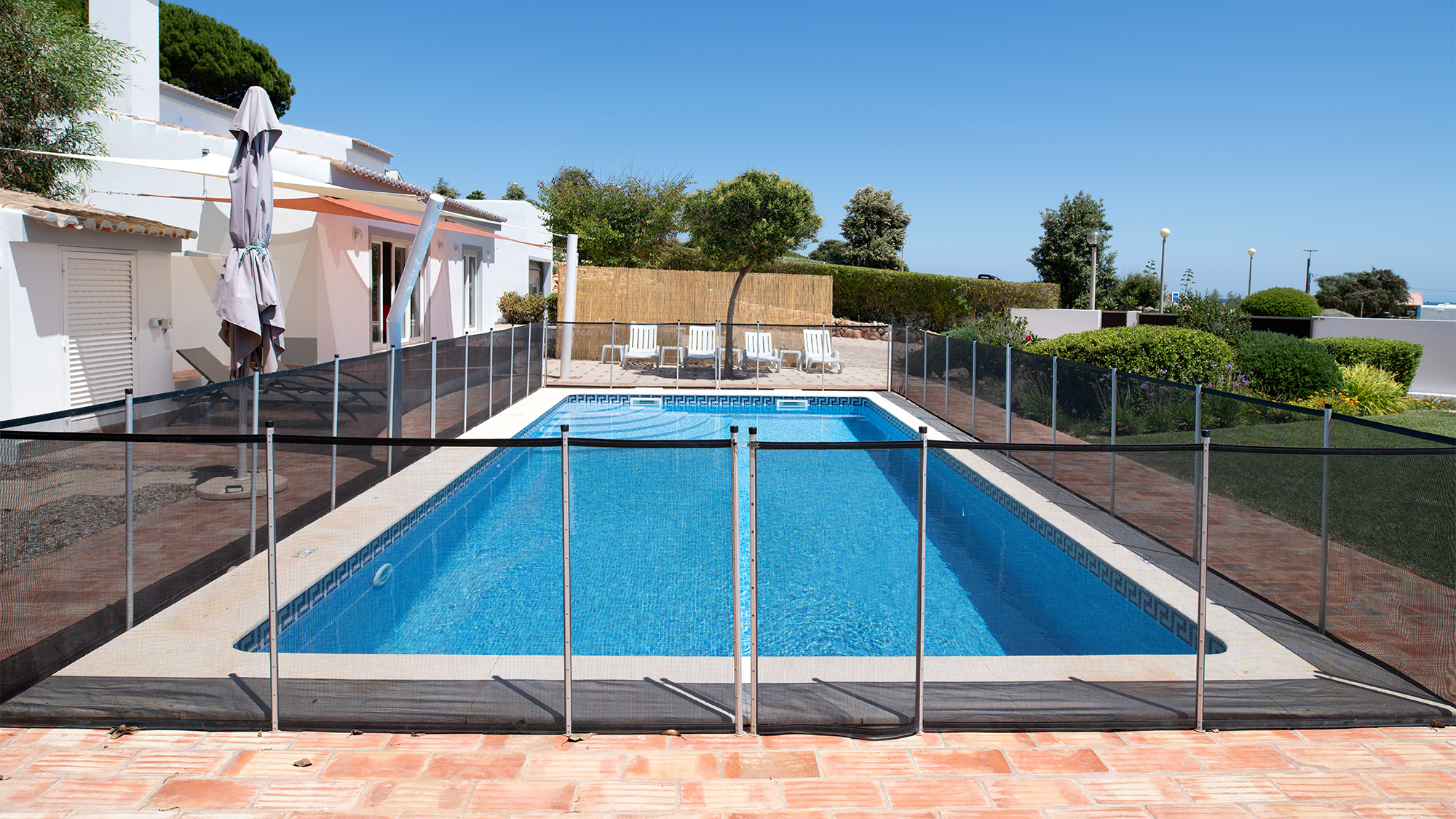
During the dog days of summer, a backyard pool is a godsend. It gives the kids a place to splash, friends and neighbors a place to gather, and everyone gets a little relief from the heat. But pools come with risks — drowning remains leading cause of death for children ages 1–4, and most of those deaths happen in home swimming pools.
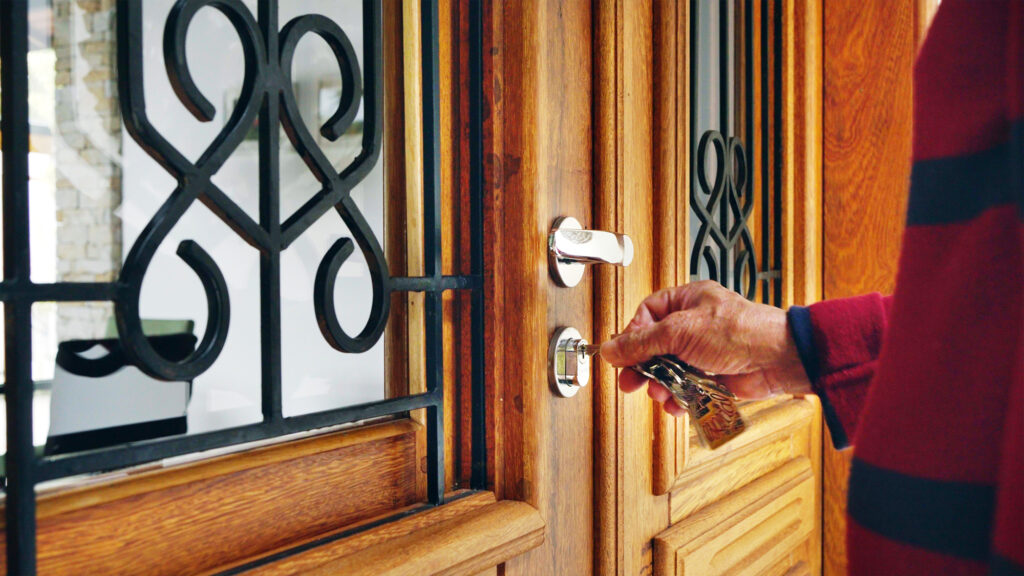
Children can reach the water by slipping through exterior doors or quietly hopping in the pool while adults are unaware or distracted. A pool fence is your first line of defense to prevent a tragedy. Here’s what homeowners need to know.
Texas does not set statewide pool-fencing rules for single-family homes. Instead, most requirements are set by local governments. Before installing a pool or pool fence, check your local government’s swimming pool and spa code for rules on fence height, gate placement, latch design, permits, and inspections. If you live in an HOA community, review those guidelines too.
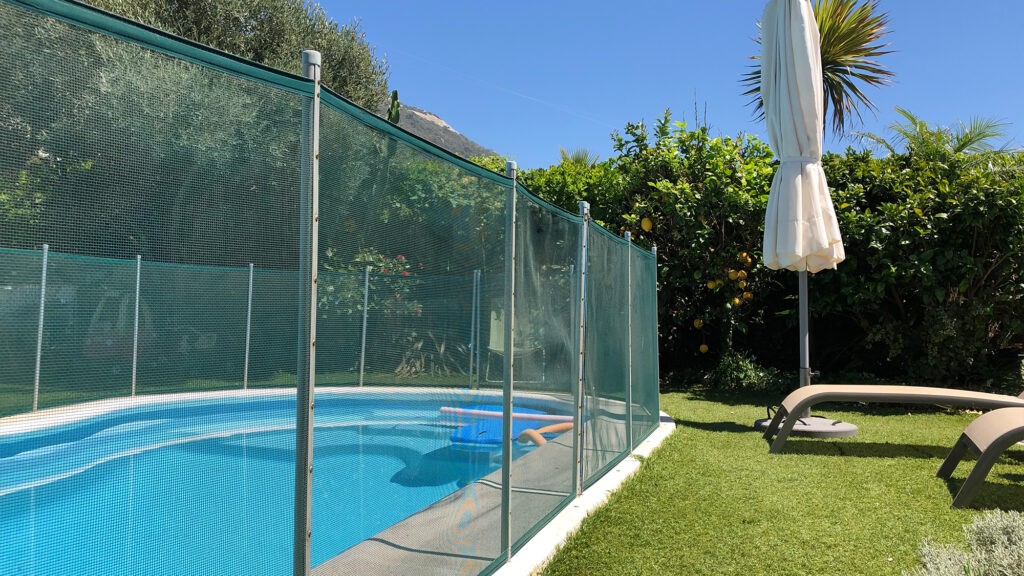
A white picket fence may look nice, but it has no place around your pool. Texas Health and Human Services recommends that a pool fence stand at least 4 feet tall. It also reports that a four-sided isolation fence is 83% more effective than three-sided property-line fencing, so ensure your fence goes all the way around the pool.
Some cities ban the use of chain-link fences, which are easy to climb, or place limits on gaps between pickets to prevent kids from squeezing through. A good rule of thumb: Choose a fence with gaps no wider than 4 inches.
A fence is only effective if the gate works properly too. Self-closing and self-latching gates ensure you never forget to close the door. Latches should swing outward and be out of reach for small hands. The city of Dallas, for example, requires gate latches to be at least 42 inches high.
Door alarms are a useful tool for both home security and pool safety. They can alert you when someone opens a door to the outside, which can help alert adults if a child exits alone. With the addition of a gate alarm, you raise the likelihood of catching an escapee quickly.
Pools bring joy to our lives and people to our home, raising the risk of a liability lawsuit. Talk with your Agent about whether your current liability coverage is enough, so you can swim, float, and play with loved ones with more peace of mind.
Get your pool ready for peak swim season with the ultimate pool guide.
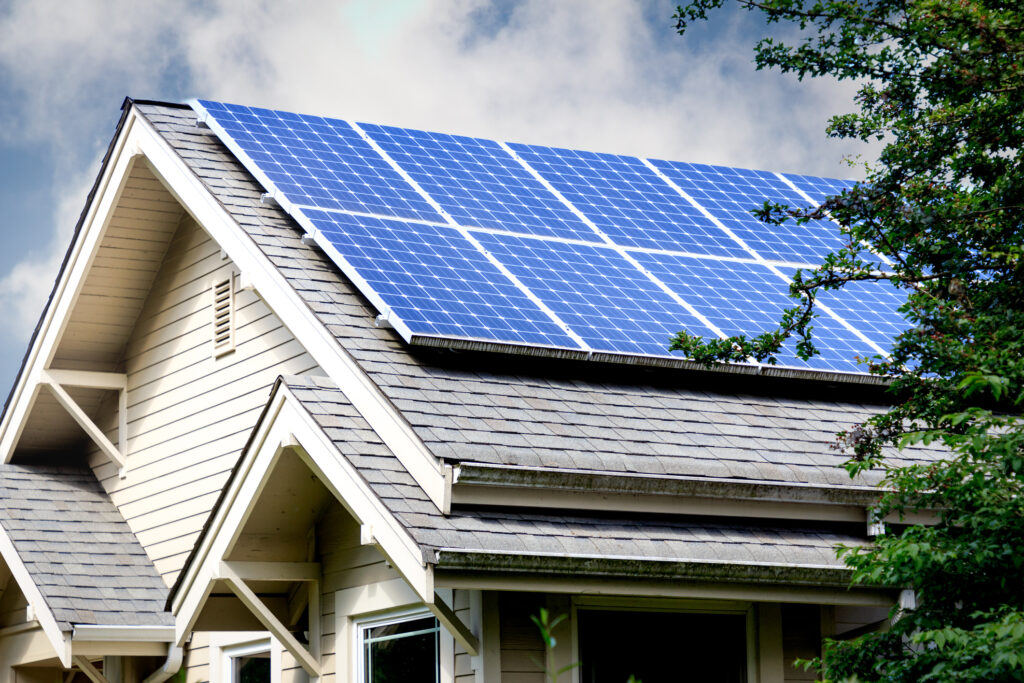
New Solar Panel Safety Regulations Protect Firefighters
Your solar panels just got safer.
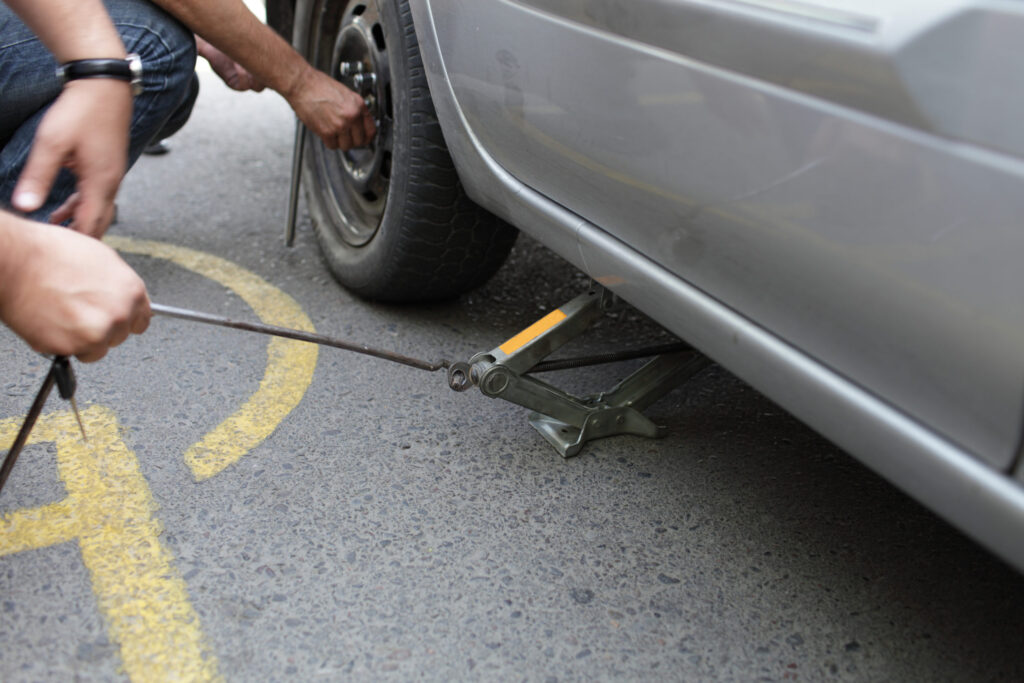
How to Change a Flat Tire Safely
All you have to do is learn.

Learn the Warning Signs of Hypothermia
Texas is better known for its extreme heat, but the cold can still be dangerous here, especially if you aren’t used to it.

Catalytic Converter Thefts Are Skyrocketing: Here’s What to Know
Reduce your chances of becoming a target with these tips.

Tips for Passing Your Texas Driving Test
Many new drivers fear the day of their driver’s test. But this obstacle to open-road freedom shouldn’t be any scarier than a speed bump.
And when to change them.