
Please sign in as a member or guest below to access it.
Please sign in as a member or guest below to access it.

Fourteen and counting.
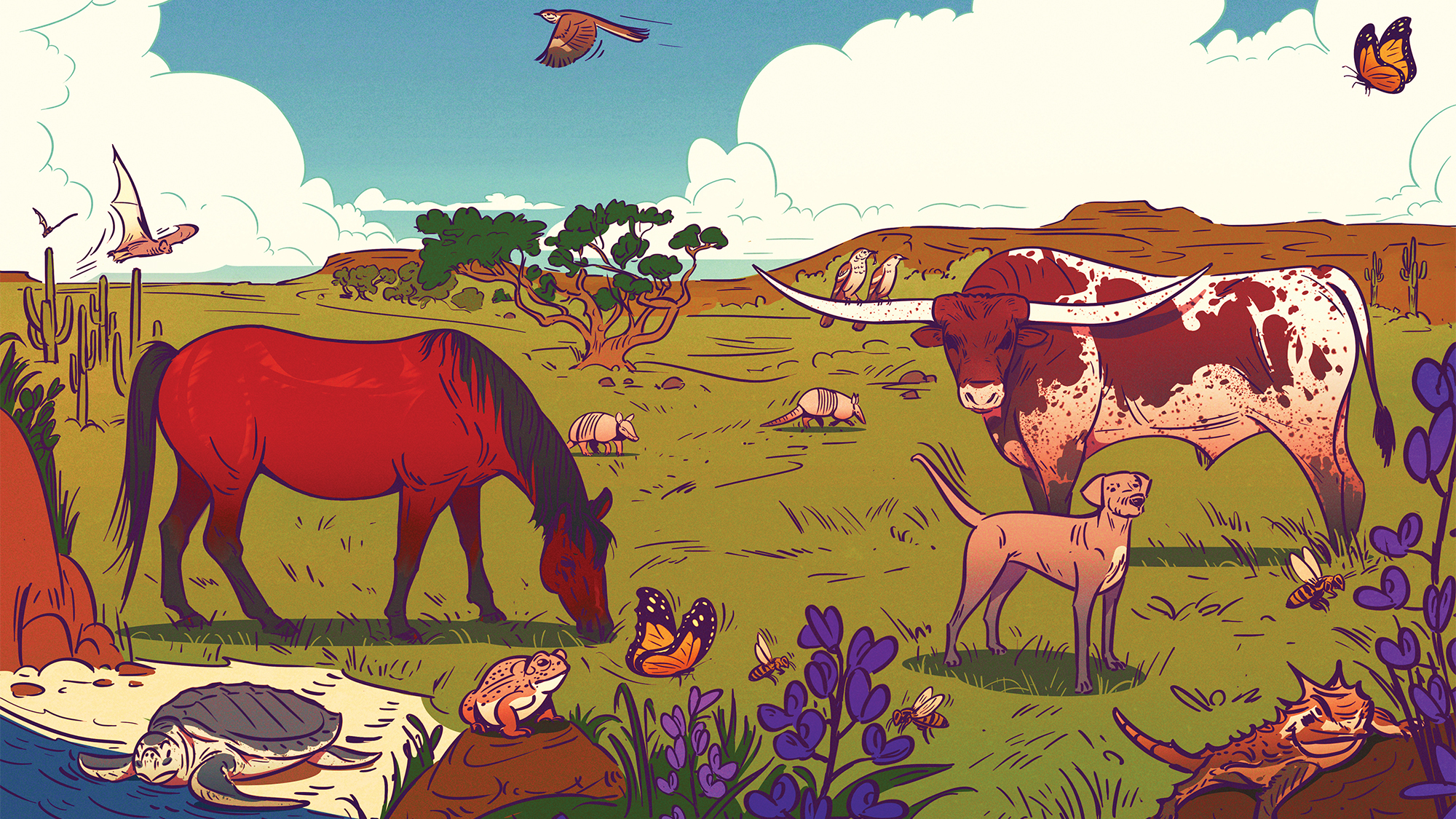
Texas has 78 official state symbols, the most in the country — and some of them can be found chewing cud at the ranch down the road or fluttering through your garden. Designated by the Texas Legislature to celebrate the state’s natural heritage, these official animals reflect everything from the state’s ranching roots to the remarkable biodiversity. Some, like the longhorn, are familiar icons rooted in our state’s history. Others, like the Kemp’s ridley sea turtle, spotlight hard-won conservation efforts on the Gulf.
All 14 are living, breathing pieces of our state’s story.
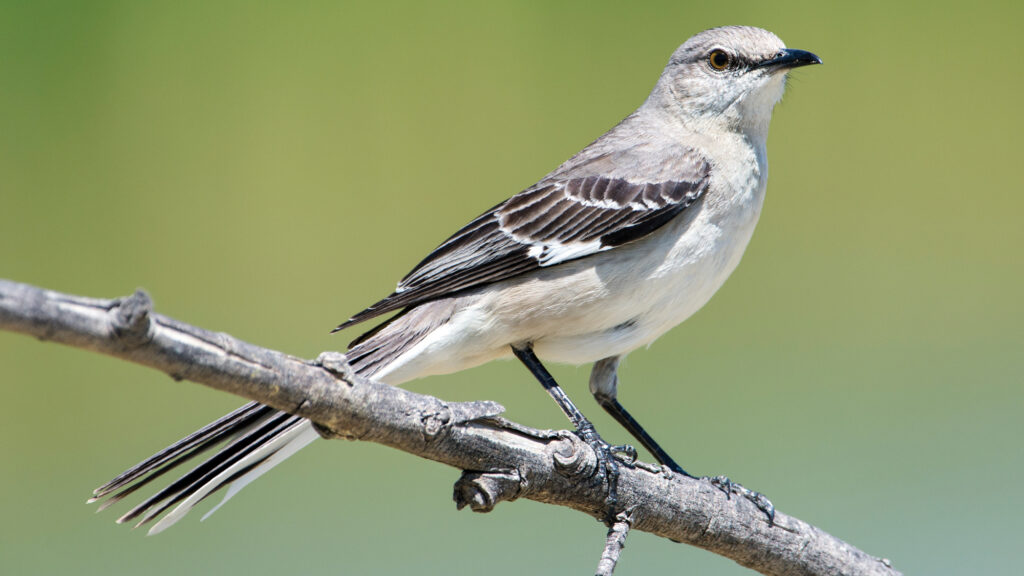
Mockingbirds are highly adaptable, thriving in cities, suburbs, ranchlands, and parks across Texas. The name comes from their talent for copying other birds — and even frogs, insects, or car alarms. A male may develop up to 200 songs during his lifetime. This polished performer stays in Texas year-round and fiercely protects its territory, a characteristic legislators admired when naming it the state bird in 1927.
Of the more than 400 butterfly species found in Texas, perhaps none is more recognizable than the monarch, with its bright orange wings veined in black. Each spring and fall, monarchs pass through the state on an epic migration of up to 2,500 miles between northern breeding grounds and wintering sites in Mexico. Legislators cited its beauty, nobility, and determination as qualities they believed reflected Texas’ spirit.
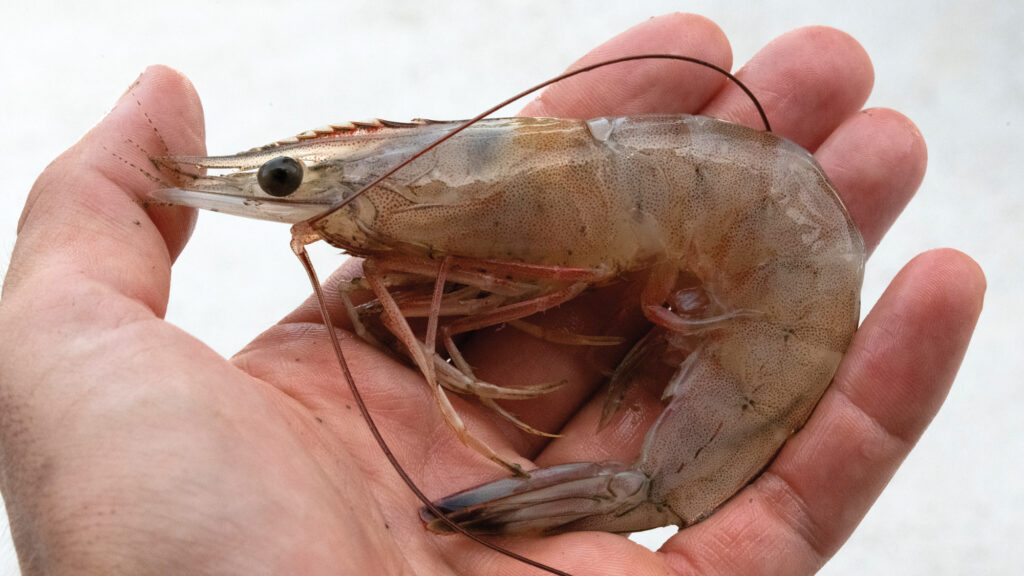
Texas Gulf shrimp joined the state symbol roster in 2015, recognizing a creature central to coastal livelihoods and Lone Star cooking. From Port Arthur to Port Isabel, generations of families have depended on shrimping, while diners enjoy the harvest boiled, grilled, or fried — a direct connection between Gulf ecosystems and Texas tables.
Strong, quick, and dependable, the American quarter horse has long been part of Texas history. Gen. Sam Houston’s Copper Bottom helped establish the breed’s early presence in the state, and quarter horses soon became invaluable on ranches, cattle drives, trails, and rodeo grounds. Its name reflects its speed over a quarter mile, but its intelligence and agility made it just as prized. The breed remains a living link between Texas’ frontier era and modern-day ranching.
Between the 1940s and mid-1980s, Kemp’s ridley populations fell from tens of thousands of nesting females to fewer than 300. A joint U.S.-Mexico protection program launched in 1978 sparked a recovery, though the species remains endangered. Each summer at Padre Island National Seashore, spectators gather for a rare and unforgettable sight: Protected hatchlings, tiny flippers churning, making their way from sand to sea.
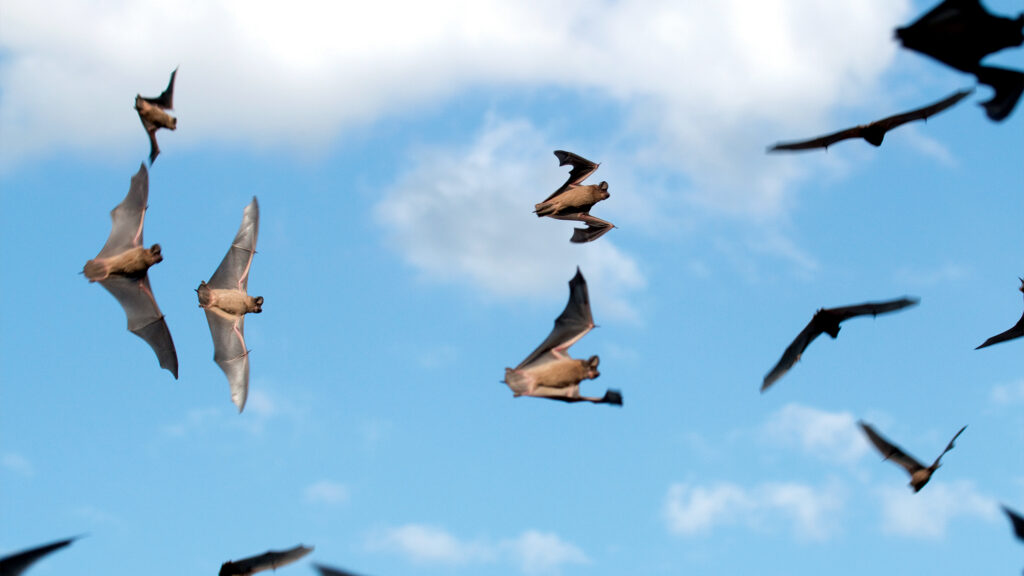
Each spring, Mexican free-tailed bats migrate to Texas, gathering in spectacular numbers at Bracken Cave near San Antonio and Congress Avenue Bridge in Austin. Their nightly meals include enormous quantities of crop-damaging insects, providing natural pest control. Bracken Cave is home to the world’s largest known bat colony, with more than 15 million bats.
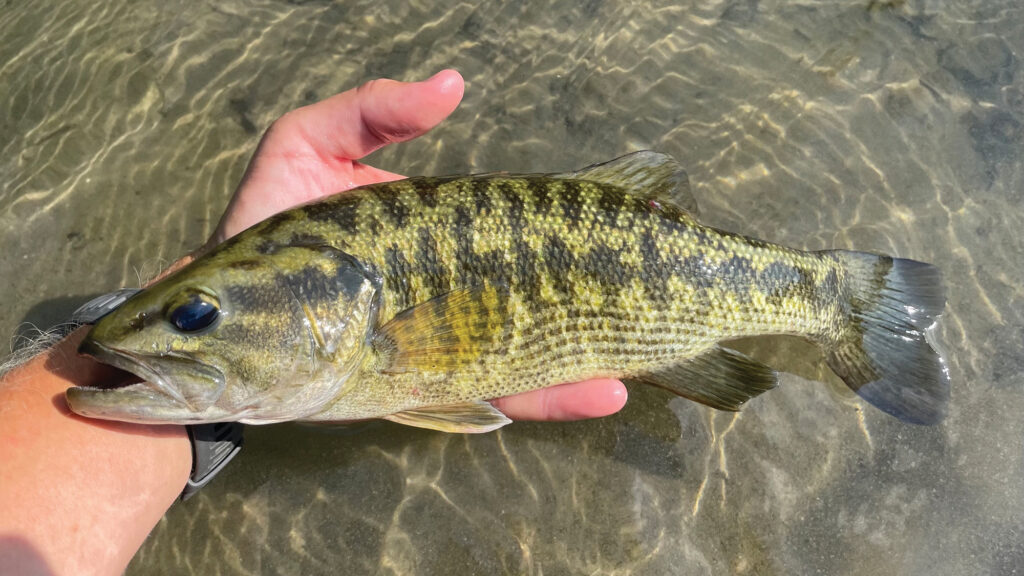
Found naturally only in Texas, the Guadalupe bass is a small but hard-fighting fish that favors clear Hill Country streams, including its namesake, the Guadalupe River. A favorite among anglers, it was once threatened by habitat changes and crossbreeding with introduced bass. Restoration, stocking, and habitat work have helped protect this uniquely Texan native.
Red drum are powerful Gulf Coast game fish prized by Texas anglers. They spend their early years in coastal bays before moving into the Gulf, and sometimes even rivers, showing the “hardiness and adaptability” lawmakers admired. By the 1980s, overharvest and illegal netting had driven down numbers, but protections and hatchery programs helped them rebound.
Designated in 2009 after an elementary student-led campaign, the Texas toad lives across much of the state, from grasslands and open woodlands to sandy desert landscapes. It spends hot, dry periods tucked beneath rocks or underground, then emerges after summer rains. Lawmakers praised the adaptable amphibian’s “Buddha-like visage” and “indomitable spirit.”
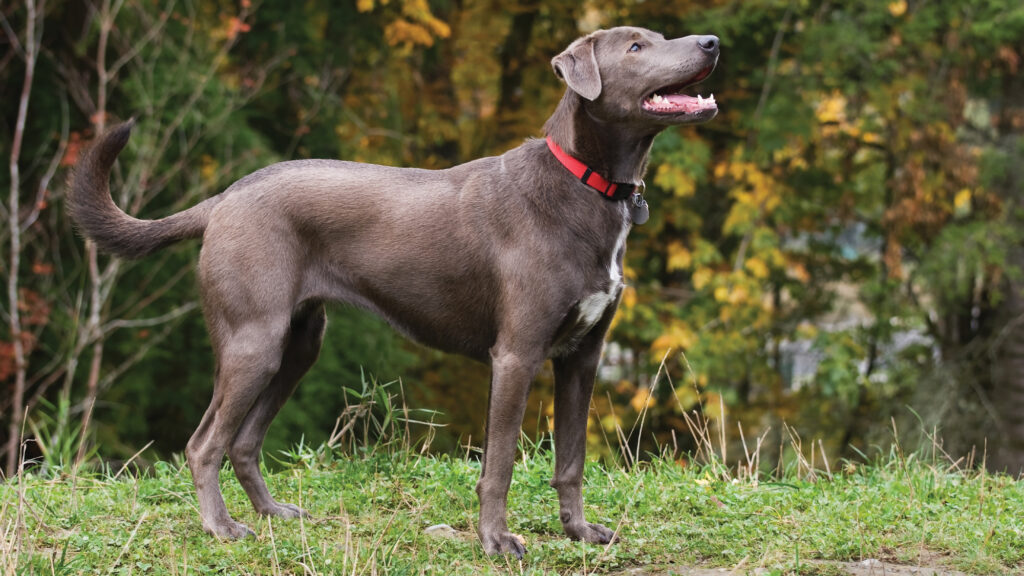
The Blue Lacy is the only dog breed developed in Texas, and one is said to “do the work of five cowboys.” Created by the Lacy brothers in the 1800s, the breed is believed to be a mix of greyhound, scent hound, and coyote. With sleek coats and distinctive yellow-orange eyes, Blue Lacys are prized for herding livestock, tracking game, and handling ranch work. They nearly disappeared in the 1970s before preservation efforts revived the breed.
Beneath the armadillo’s leathery armor is a surprisingly athletic animal that can leap up to 3 feet in the air, inflate its intestines to float across water, and hold its breath underwater for up to six minutes. Legislators praised the armadillo’s “ability to change and adapt” and “fierce underlying love for freedom” when naming it the Texas state small mammal. Perhaps Texas’ most famous armadillo is Bee Cave Bob, chief animal meteorologist and rival to Punxsutawney Phil.
Few silhouettes say “Texas” faster than this animal’s sweeping horns. After the Civil War, cattle drives involving some 10 million longhorns helped stabilize Texas’ postwar economy and shape its ranching legacy. The breed was nearly lost, but dedicated Texas breeders helped save it in the 1920s, preserving longhorns for state parks and future generations of ranchers.
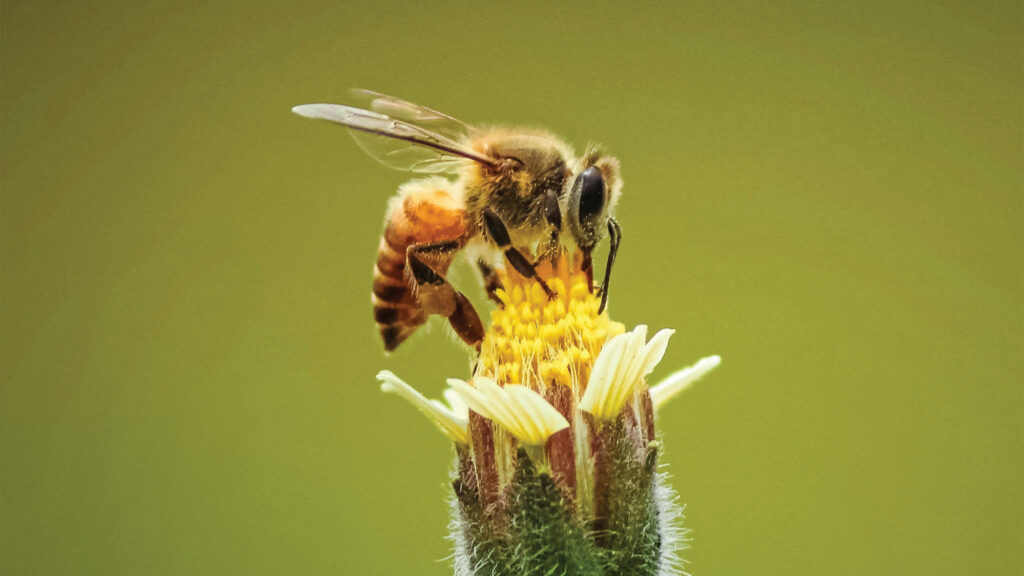
The western honeybee became Texas’ state pollinator in 2015, honoring an insect whose work reaches far beyond the honey jar. Honeybees pollinate dozens of commercially grown crops, including fruits, nuts, vegetables, and cotton. Recognizing their value, Austin has promoted the sustainable relocation of feral colonies. You can support pollinators by planting nectar-rich flowers and avoiding pesticides in your home garden.
Often called a “horned toad,” Texas’ state reptile is actually a lizard with a Texas-tough attitude. Its flattened, spiny body blends into dry soil, while its defenses include puffing up and, in extreme cases, squirting blood from its eyes. Once widespread, horned lizards have declined due to habitat loss, collection, and invasive fire ants. But there’s hope: The San Antonio Zoo is working with private landowners to reintroduce these lizards into the wild.
The next time a mockingbird sings, a bat sweeps across the evening sky, or a horned lizard stirs in the dust, know you’ve officially caught a glimpse at the wild heart of Texas.
Support our state pollinator, the western honeybee, with backyard beekeeping.
The 12 Best Beach Camping Spots in Texas
With 360 miles of coastline, Texas is a beach lover’s paradise. Even better, it’s free to camp on many of these miles of sandy beaches.
Texas Bucket List: Fall Edition
It ain’t fall in Texas without checking a few of these must-sees off your list.

One Texas Sewing Group Has Made 9,000 Cloth Face Masks for Frontline Workers
Deann Rives has organized a nationwide operation out of her house — while still working full time as a Texas Farm Bureau Insurance Agent.
The Ultimate Texas Holiday Guide
Make this holiday merry, bright, and safe with our Texas holiday guide!

How to Make Holiday Candles at Home
Become a candlemaker and things will make scents.
A Beginner’s Guide to Modern Homesteading
Discover how to start your journey to a more mindful existence — right where you are.