
Please sign in as a member or guest below to access it.
Please sign in as a member or guest below to access it.

For gardeners particularly fond of giving or displaying bouquets.
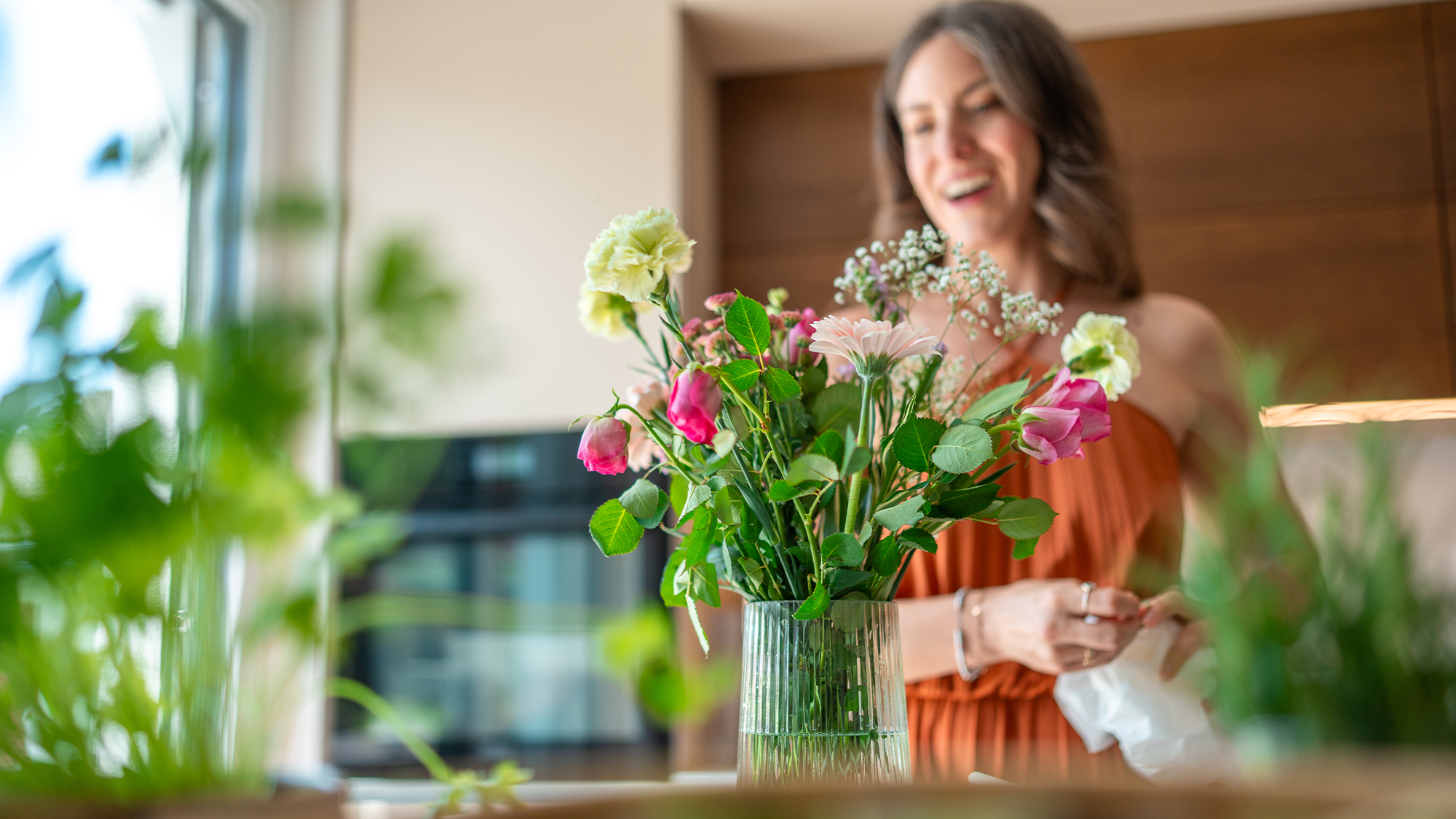
Nothing brightens a space like a bouquet of fresh flowers, and few gifts are lovelier — but buying them regularly can get expensive. If you’re particularly fond of giving bouquets to loved ones or displaying them in your own home, a cutting garden might be the perfect solution.
A cutting garden is a dedicated space for growing flowers specifically for harvesting and display, allowing you to cut blooms without depleting your landscape beds. The goal isn’t necessarily attractive landscaping; it’s a regular harvest of flowers to display in vases and bouquets. It’s a slightly different approach to gardening, but one that can be very rewarding once you get the hang of it.
Most cut flowers need plenty of sun, so choose a spot that receives at least six hours of direct sunlight per day. The soil should also be fertile and well-draining.
Keep the garden’s utilitarian function in mind while planning your layout. Planting flowers in straight, narrow rows with walkable pathways between them can make care and harvesting easier. Raised beds help minimize stooping and kneeling. Planting perennials and annuals separately can simplify the process of removing and replacing annuals at the end of the season. And if you’re short on space, flowering vines can be grown vertically on a trellis.
When deciding what to plant in your cutting garden, consider:
Blooming season length. A plant that blooms only briefly spends much of the year simply taking up garden space. For an especially beautiful flower, such as a peony, this can sometimes be worth the trade-off. In general, however, focus on plants with longer or more prolific blooming seasons.
Hardiness. Heat tolerance is an important consideration when growing anything in Texas.
Yield. “Cut-and-come-again” flowers respond to harvesting by producing new blooms, giving you a bigger bounty from the same amount of garden space.
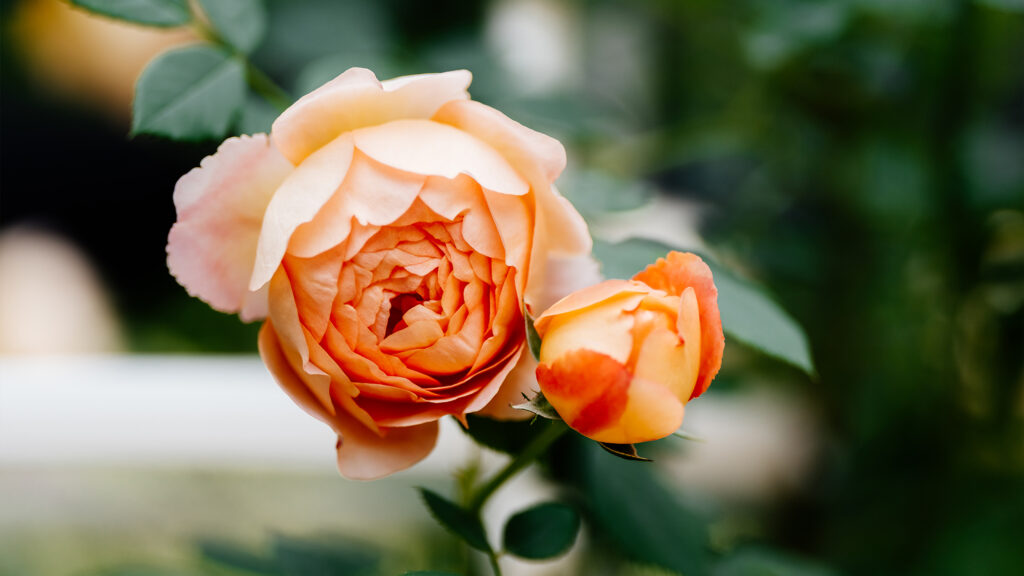
Flowering times. If you want to gather flowers throughout the year, you don’t want everything to be in bloom at once. Choose plants that bloom in different seasons or create a more continuous harvest by staggering your planting and sowing a new crop every few weeks.
Vase life. With good care, cut flowers should remain attractive in a vase for several days. A vase life of five days or more is ideal, although some beautiful flowers with shorter vase lives may still be worth growing for single-day events.
Stem strength and length. Longer, sturdy stems are generally more versatile for flower arrangements; you can always cut a stem shorter, but you can’t make it longer. Look for varieties known to produce stems long enough for the types of arrangements you want to create.
Variety. Flower arrangements need variety — and “filler” — to keep them visually interesting. Plant foliage and smaller flowers to mix with showier blossoms, and look for a variety of colors, textures, and shapes, from spiky and globular to bell-shaped. “Stars,” such as dahlias and zinnias need a supporting cast to really shine. Zinnias, sunflowers, cosmos, gomphrena, and snapdragons are a few flowers that can perform well in Texas, although their ideal planting seasons vary.
All your flowers will eventually end up in the cutting garden, but there are different approaches to getting them there. Which method you choose will depend on the plant and its needs.
Starting flowers from seed indoors and transplanting them later can give young plants a head start before they’re exposed to outdoor conditions.
Purchasing mature plants is the quickest and easiest option, but it’s also generally the most expensive.
Finally, direct-sowing seeds into the garden allows plants to grow without being disturbed by transplanting. It’s important to match your planting time to the season: Warm-season flowers should be planted when the soil and weather have warmed, while cool-season flowers need to be planted early enough to grow before hot weather arrives.
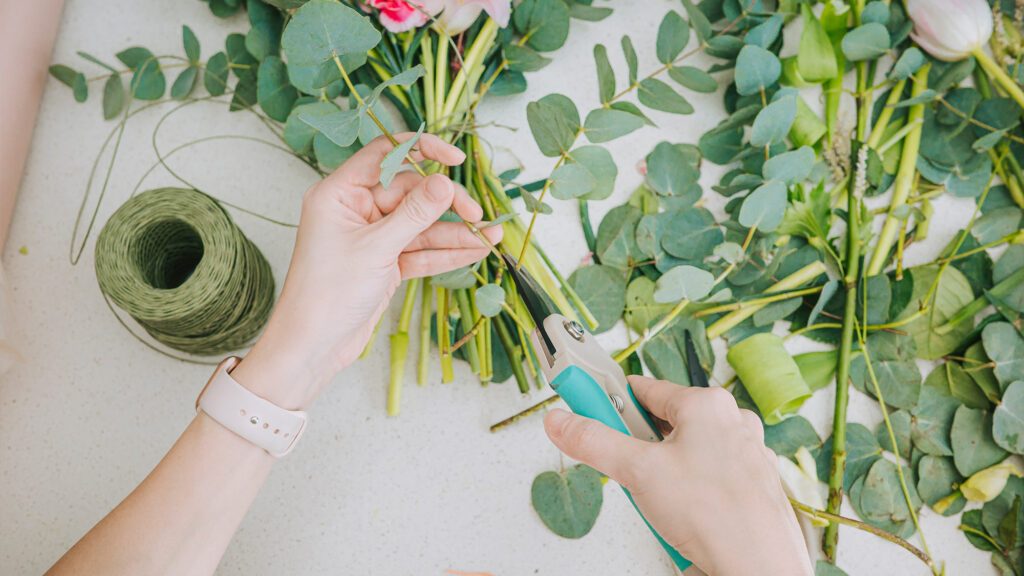
When all your hard work has paid off — it’s time to enjoy your flowers! Harvest during the cool of the morning, when plants are typically most hydrated, or in the evening. Each type of flower has an ideal stage of development for harvesting, so look up your particular variety before you start cutting.
Use a clean, sharp cutting tool to avoid crushing the stems, and place harvested blooms in a clean bucket of water as soon as possible. Make sure the bucket contains enough water to cover the cut ends of the stems and remove any foliage that will sit below the waterline.
For the longest possible vase life, recut the stems before arranging your flowers, removing about an inch with a sharp tool. Recutting stems under water can help prevent air from entering the water-conducting tissue. A commercial floral preservative can also help extend vase life by keeping the water cleaner and providing ingredients that support the flowers. Follow the package directions and change the water when it becomes cloudy or discolored.
Whether you grow your own flowers or buy a bunch from a florist, these tips for flower arrangements will help ensure each bouquet you make is beautiful.
Get ahead of Old Man Winter with these tips.

10 Texas Wildflowers and Where to Find Them
We love bluebonnets as much as any Texan, but they’re only the surface.
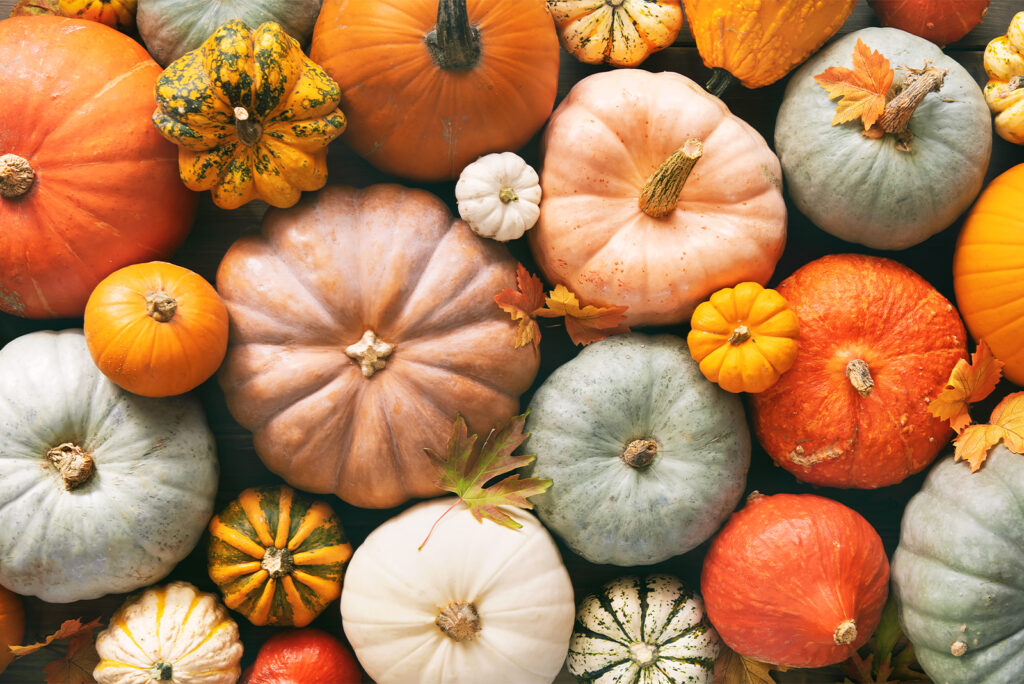
When you need a ride to prince charming’s ball — or simply some new colors in your garden — homegrown pumpkins are your best bet. Explore these magical varieties to create your very own fairy-tale garden. Baby Boo These babies grow only 2 to 3 inches in diameter and can be either deep orange or […]
Make the Most Out of Your Backyard
Projects to create an outdoor oasis.

What to Waterproof Before a Rainy Spring
Survive the soggy season.
There’s nothing as satisfying as eating something you grew yourself.