Please sign in as a member or guest below to access it.
Please sign in as a member or guest below to access it.

Make time for a little TLC (tree love and care).
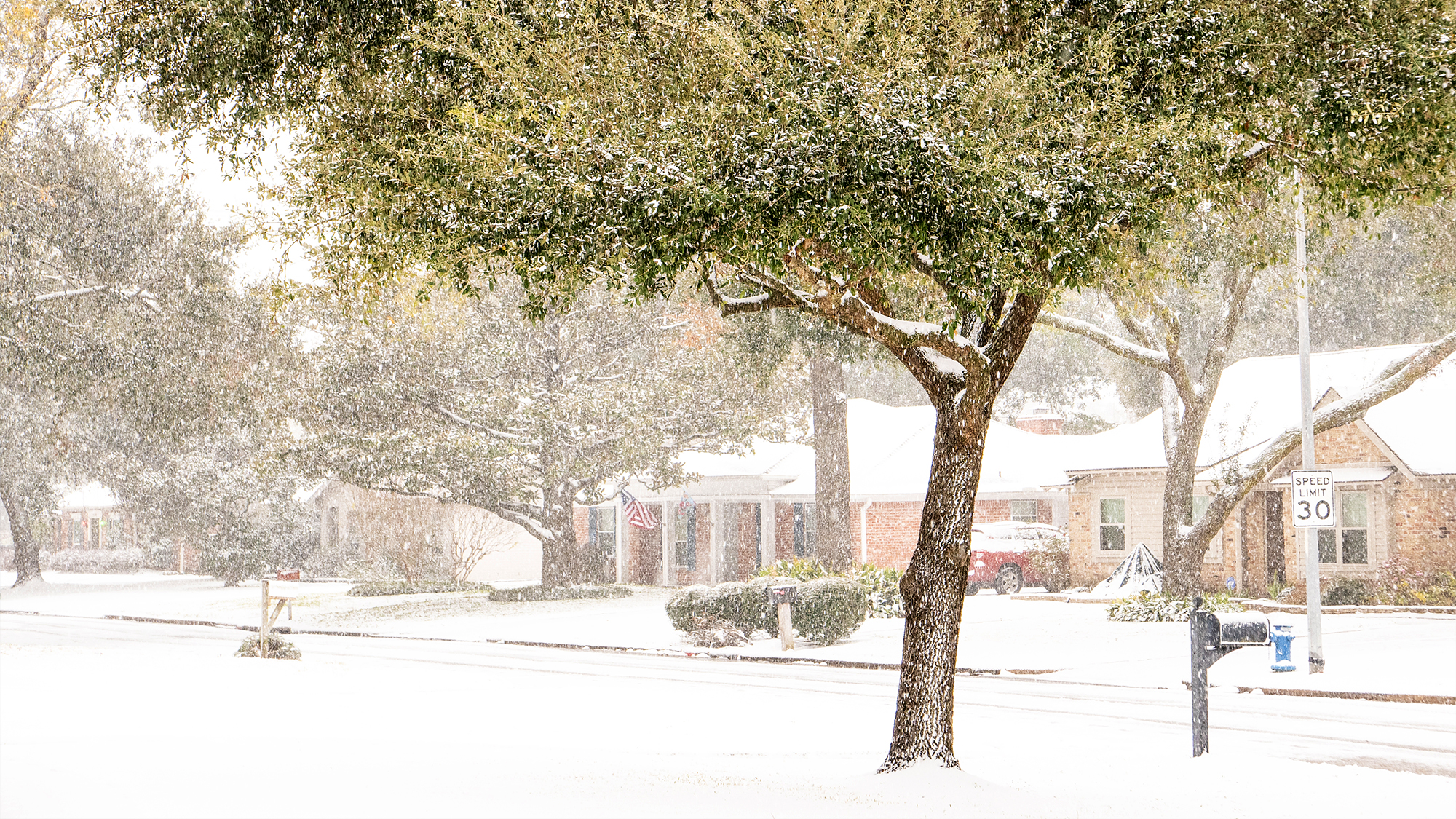
Patio weather yesterday, a freeze warning today. Sound familiar? Texas’ winter weather is anyone’s best guess. While our colder months may be relatively mild, sudden freezes, drying winds, and ice storms can still leave their mark on your backyard.
Texans often know to cover garden beds and short plants, but your trees deserve attention too. Here’s what to do before the temperatures tumble.
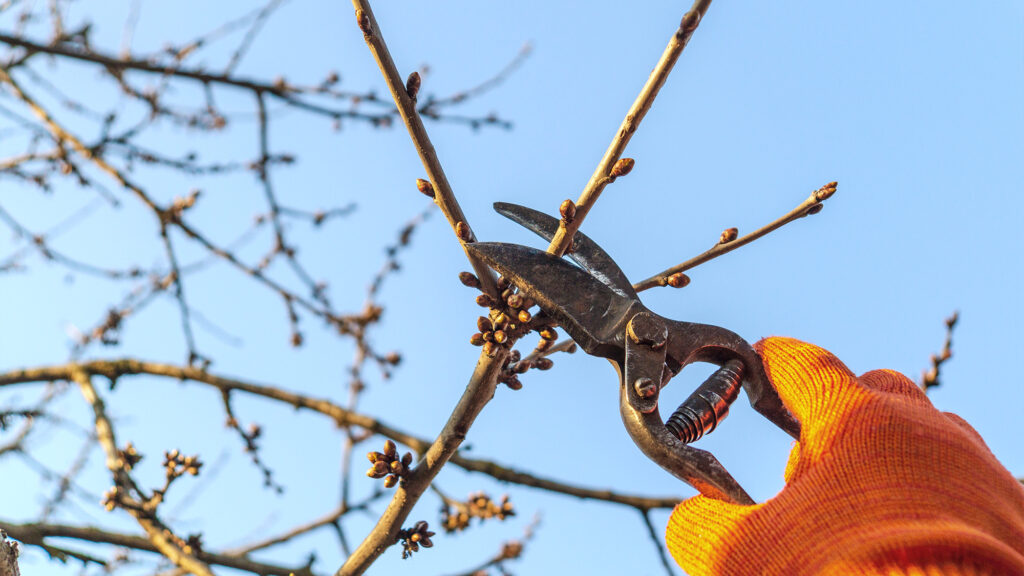
Once the leaves fall, look at what’s left. Dead or declining branches are easier to spot without all that greenery. Removing them helps prevent a gusty day from sending limbs flying and causing potential damage to nearby structures.
Winter dormancy also offers an opportunity to shape young trees, guiding their growth. Although light pruning can generally happen throughout the year, save cuts into living tissue for winter, before spring growth begins.
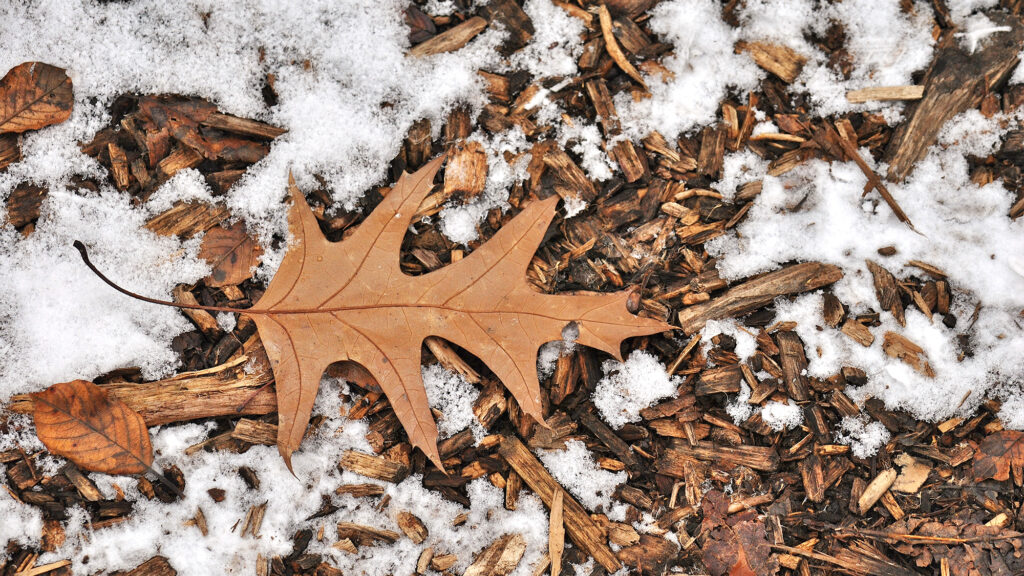
Mulch earns its keep in winter. It helps soil hold moisture during dry spells and cushions roots against temperature swings. That protection matters because soil expands and contracts as it freezes and thaws, potentially damaging roots.
Spread mulch to a depth of about 2 inches, extending it at least across the width of a newly planted tree’s root ball. Leave about 2 inches of space between the mulch and the trunk. Heaping mulch against bark traps moisture where insects and fungi can make themselves at home.
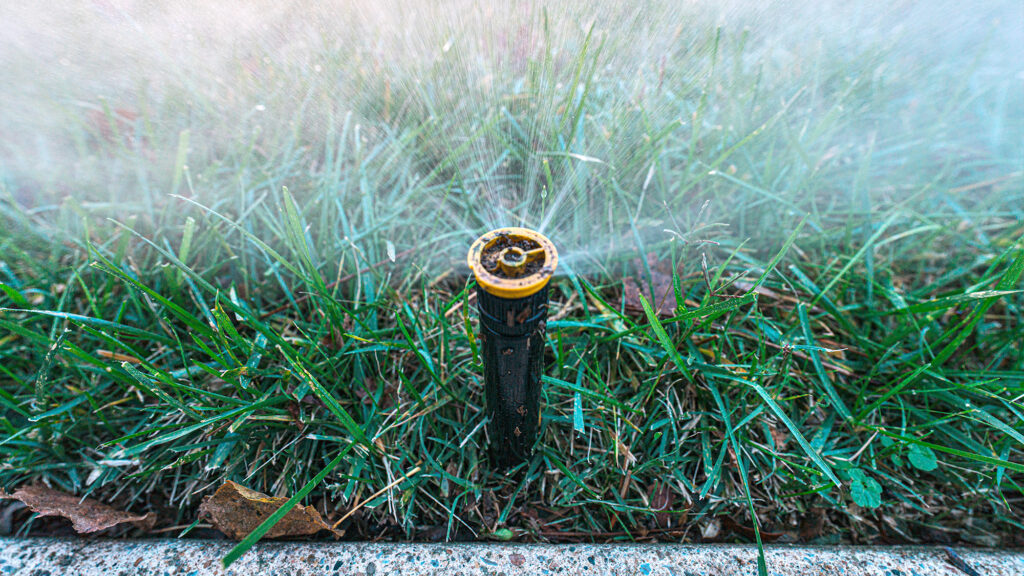
If you’ve switched off the sprinklers, make sure your trees haven’t lost their regular drink along with them. For dormant hardwoods, watering can generally decrease to once or twice monthly.
Make watering a morning chore so trees have time to take it up before nighttime temperatures fall. If a hard freeze is approaching and the soil is dry, water beforehand. Moist soil holds more warmth, and adequately watered trees are better equipped to withstand freezing conditions.
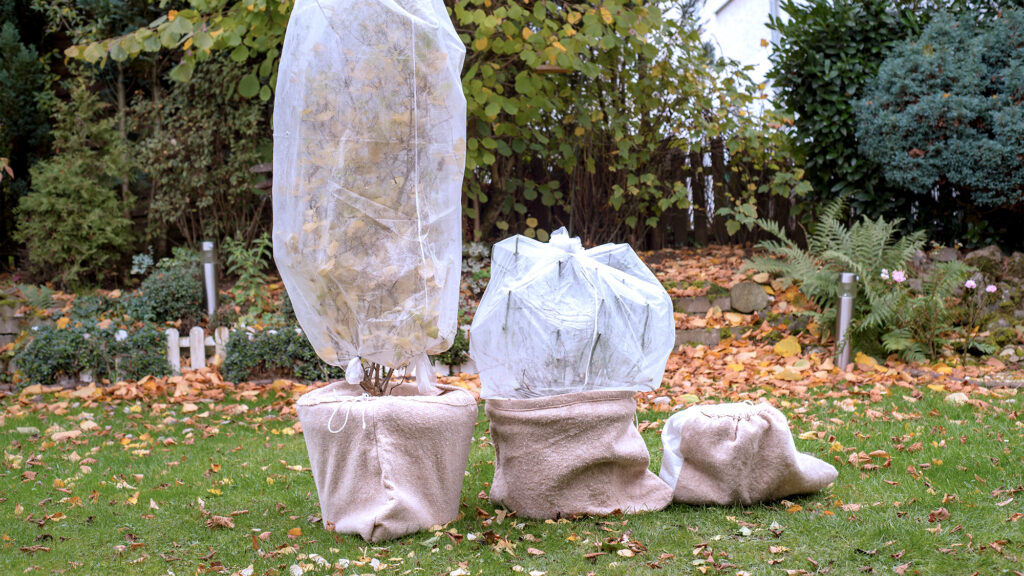
Check the forecast before freezing weather arrives, especially if your yard includes trees accustomed to warmer climates. Decide which trees in pots can come indoors and have coverings ready for vulnerable trees that will stay outside. Planning ahead makes those last-minute freeze warnings a little less frantic.
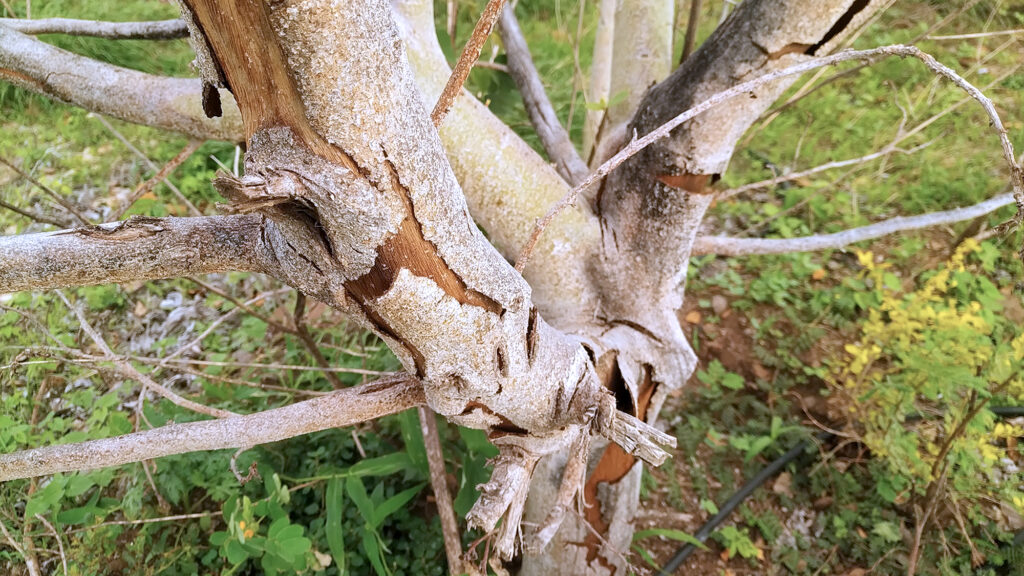
Even winter sunshine can cause trouble. On young trees or those with thin bark, the sun can warm the trunk enough to activate tissue. When clouds suddenly block that warmth, bark temperatures can plunge, injuring or killing the active tissue. This damage is called sunscald.
Protect susceptible trunks in late fall with tree wrap or a plastic tree guard. Put a reminder on your spring calendar too. Once the final frost has passed, remove the protection so insects don’t settle underneath for summer.
Winter storms can leave more than your trees in a bind. Get your household ready, too, with our guide to preparing for power outages.
Add some festivity to your home with these beautiful, seasonal arrangements.

C’mon in! The water’s fine!
In addition to water and sunlight, plants need nutrients to grow.

Painless pane repair.
A Guide to Finding and Growing Cactus
There are more than 100 varieties of cactus in Big Bend National Park alone. These are a few of the most beautiful.

How to Grow the Perfect DIY Herb Garden
Every great home chef needs a fresh herb garden.