
Please sign in as a member or guest below to access it.
Please sign in as a member or guest below to access it.

Learn how this Texan’s naval career brought him to a leading role in World War II’s Pacific theater.
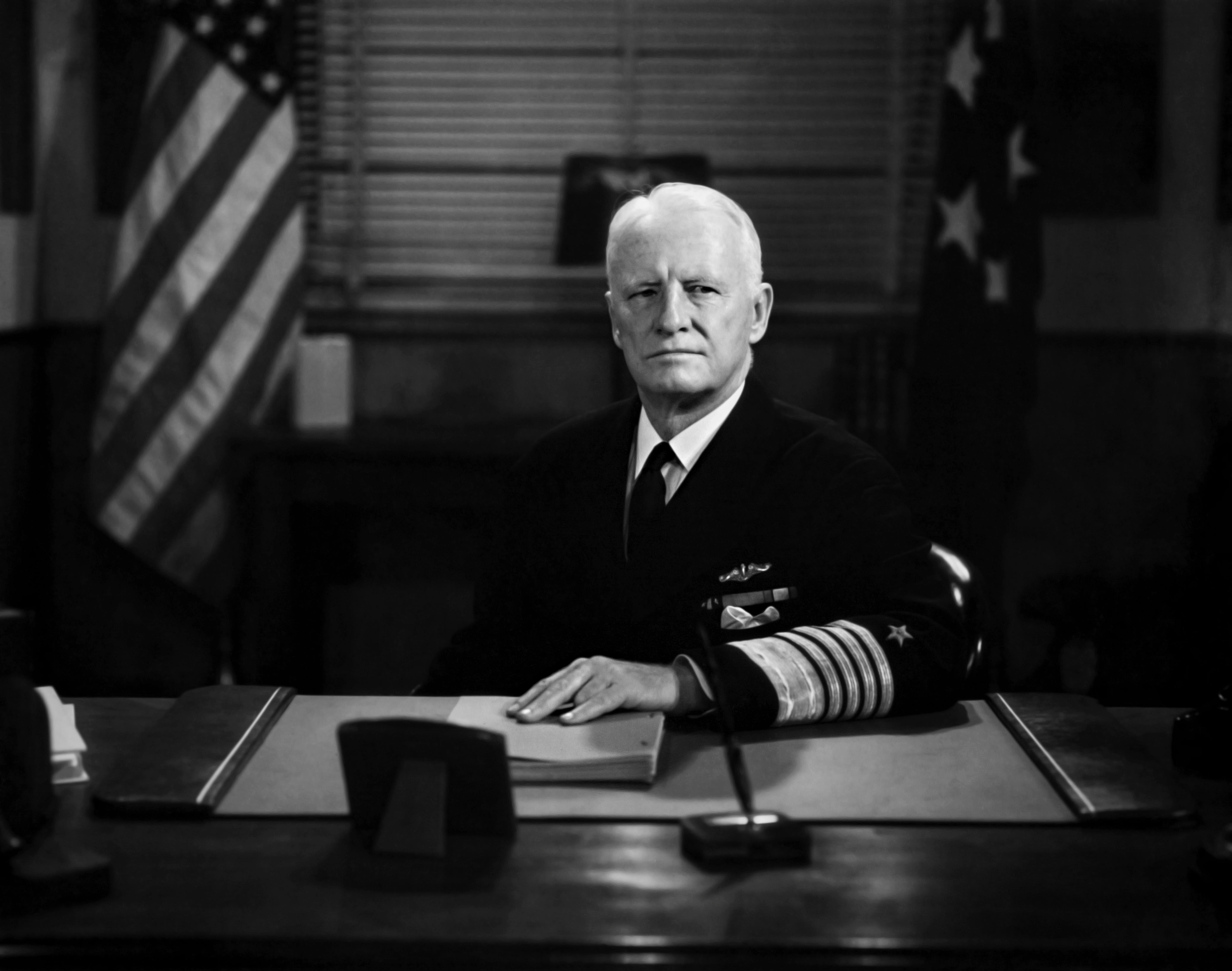
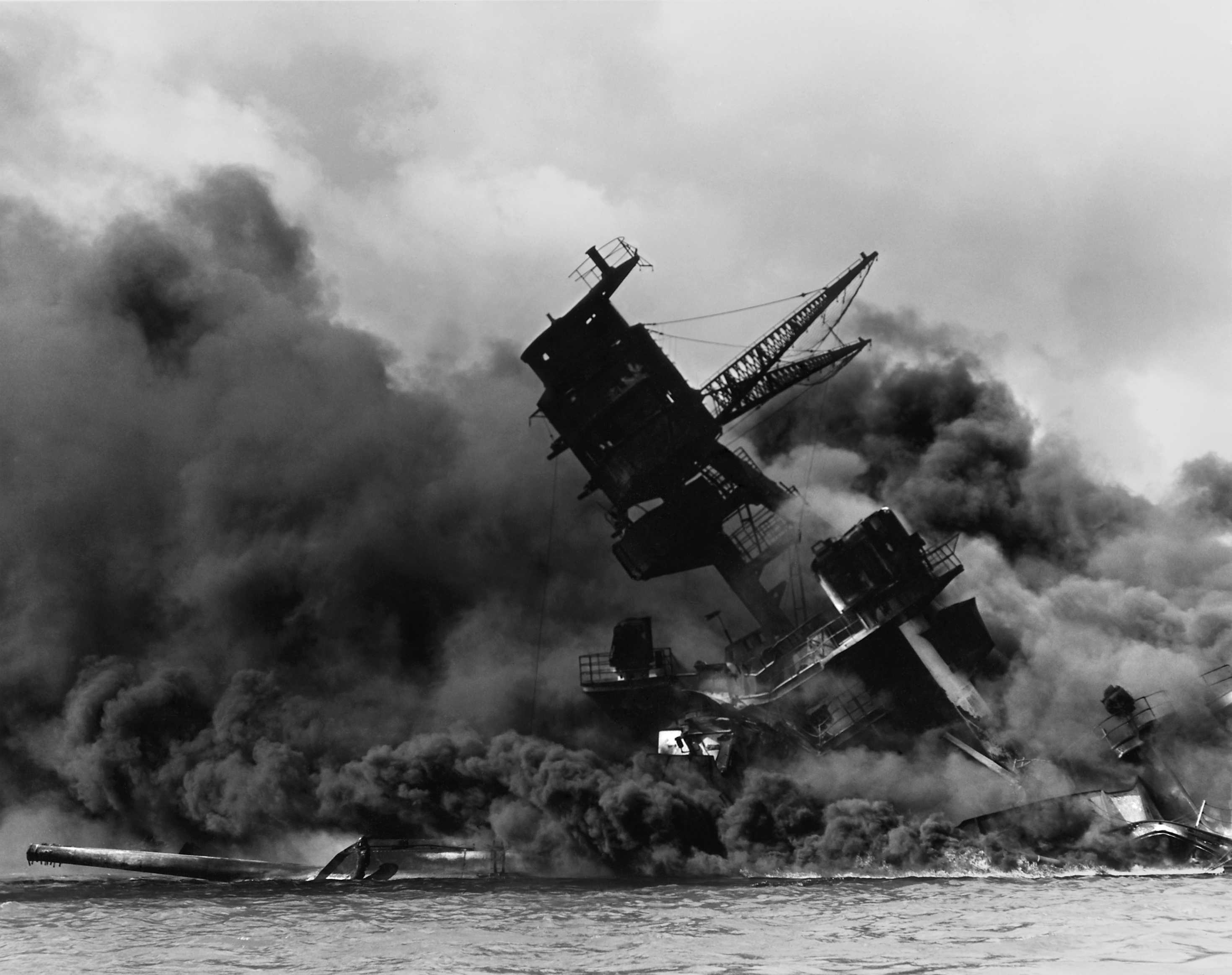
On
Dec. 7, 1941, Japanese planes swooped down on the U.S. naval base in Pearl
Harbor and bombed the U.S. fleet, drawing America into war. The Japanese sank
or destroyed six U.S. ships and killed 2,403 Americans. Before the fires were
extinguished in the harbor that day, the Navy knew it needed to replace the
command of the Pacific fleet with someone who could restore the naval fleet and
lead America into war. President Franklin D. Roosevelt turned to a 56-year-old
Texan from Fredericksburg named Chester W. Nimitz.
Nimitz’s
career in the Navy had been somewhat unconventional. Court-martialed early in
his career for running a destroyer in his command aground, he subsequently found
success as a commander of submarine divisions. What his superiors recognized in
him after Pearl Harbor was a decisiveness and optimism that would prove vital
to his leadership during the war. These were values instilled in Nimitz during
his youth growing up in Texas when life was still lived at the perilous edge of
the frontier.
Here’s
a look at Nimitz’s life and how this Texan changed World War II’s Pacific theater.
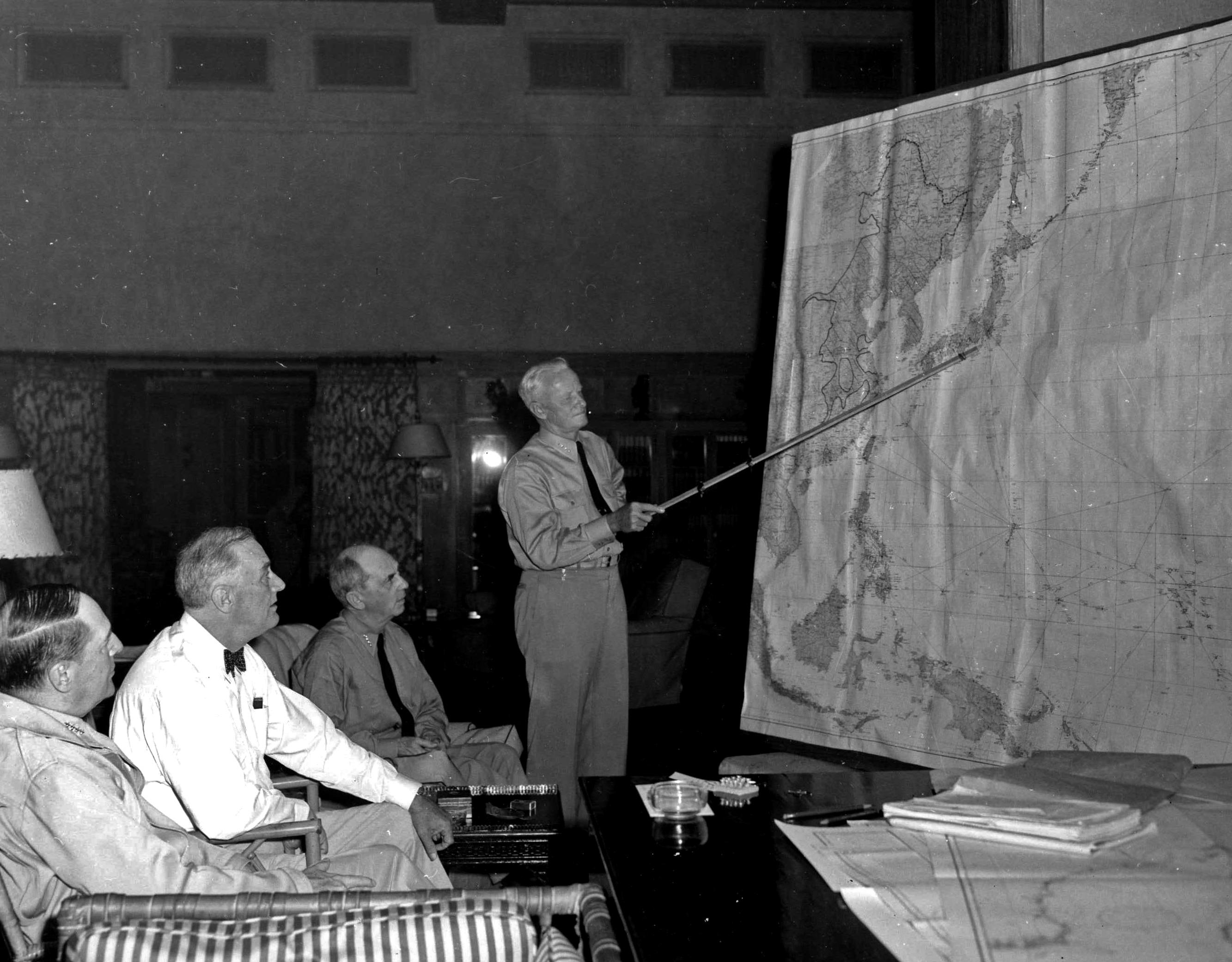
Landlocked
Fredericksburg may seem an unlikely place of origin for a great naval hero, but
Chester Nimitz came from a maritime family. Nimitz’s father died before he was
born in 1885, and for the first six years of his life, he was raised by his
mother and grandfather in the Nimitz Hotel in downtown Fredericksburg.
Before
emigrating to the U.S. — and eventually Texas —Nimitz’s grandfather had spent
time serving in the German merchant marine. The Bremen, Germany-born man had
founded the Nimitz Hotel after moving to Texas, and the hotel hosted notable
guests, such as President Rutherford B. Hayes, Robert E. Lee, Ulysses S. Grant,
and many others.
Nimitz’s family in Fredericksburg, however, was by no means well-off. To help his mother make ends meet, young Chester worked as a handyman in his uncle’s hotel in Kerrville. By his teenage years, Nimitz knew he would not be able to afford a college education, so he decided to pursue military service.
He
had wanted to study at the U.S. Military Academy at West Point, but all the
congressional appointments to the military academy were spoken for. There were
appointments available to Texans interested in the Navy. Nimitz attended the United
States Naval Academy and graduated seventh in his class in 1905.
Soon
after graduation, the young naval officer was handed command of a gunboat in
the Philippines, followed by a destroyer, but after he ran the ship aground,
Nimitz was court-martialed and reassigned to a submarine. Submarine duty in the
early 20th century was certainly a demotion. The cramped, dangerous vessels
were still in their technological infancy.
However,
Nimitz excelled in his new command, and his experience with submarines would
become vital, as the ships played an increasingly important naval role in the
first and second world wars.
Nimitz
continued to build on his experience in the leadup to the two wars. He spent
time studying diesel engines in Germany and Belgium and oversaw the
construction of the first U.S. Navy vessel powered by diesel.
During
World War I, he served as submarine commander and was promoted to chief of
staff to the commander of the Atlantic Submarine Force. After the war, he
helped build the submarine base at Pearl Harbor and participated in mock
Pacific-war exercises to plan for a hypothetical naval war in the Pacific.
Nimitz
couldn’t know it at the time, but the Pacific war plan he helped draft would
eventually be the strategy he employed in the war against Japan.
When
the Japanese bombed Pearl Harbor, Nimitz was serving as the Navy’s chief of the
Bureau of Navigation. Ten days after the attack, President Roosevelt promoted
him to commander in chief of the United States Pacific Fleet, skipping the rank
of vice admiral by congressional appointment.
It
soon became clear why Roosevelt turned to Admiral Nimitz to lead the U.S. war
effort in the Pacific. He was described as serene and clearheaded and earned
the trust and loyalty of his staff. Rather than replacing the staff of his
predecessor, when Nimitz became admiral, he kept them on and helped rally
morale.
“I
know we are suffering, but I promise you the enemy is suffering too,” he told
them.
Rather
than dwelling on the devastated state of the U.S. fleet, Nimitz pointed to three
mistakes the Japanese had made in the attack: They attacked on a Sunday when
most crew were ashore; the bombers focused on sinking ships but didn’t destroy
the dry docks the U.S. could use to make repairs to damaged vessels; and they
had failed to destroy the Navy’s entire fuel supply, which sat in tanks 5 short
miles away from the harbor.
Privately,
however, Nimitz revealed his trepidations at the outset of war. On Dec. 19, his
wife wrote a letter reminding him that he had always wanted to take command of
the Pacific fleet; that it was the “height of glory.”
“Darling,”
Nimitz replied. “The fleet is at the bottom of the sea. Nobody must know that here,
but I’ve got to tell you.”
Nimitz’s
optimism, despite his misgivings, and his level head helped set the tone for
the Pacific theater. A key early victory at Midway Island set the U.S. Navy on
course to victory. The campaign was unlike any that had been attempted in human
history, with a sea and land war waged across an incredibly vast area, covering
thousands of square miles of ocean and hundreds of islands large and small.
Throughout
four grueling years, Nimitz’s Navy would help beat back Japanese forces and
regain control of the Pacific. After the second of two atomic bombs were
dropped on Japan in August 1945, the Japanese surrendered.
On
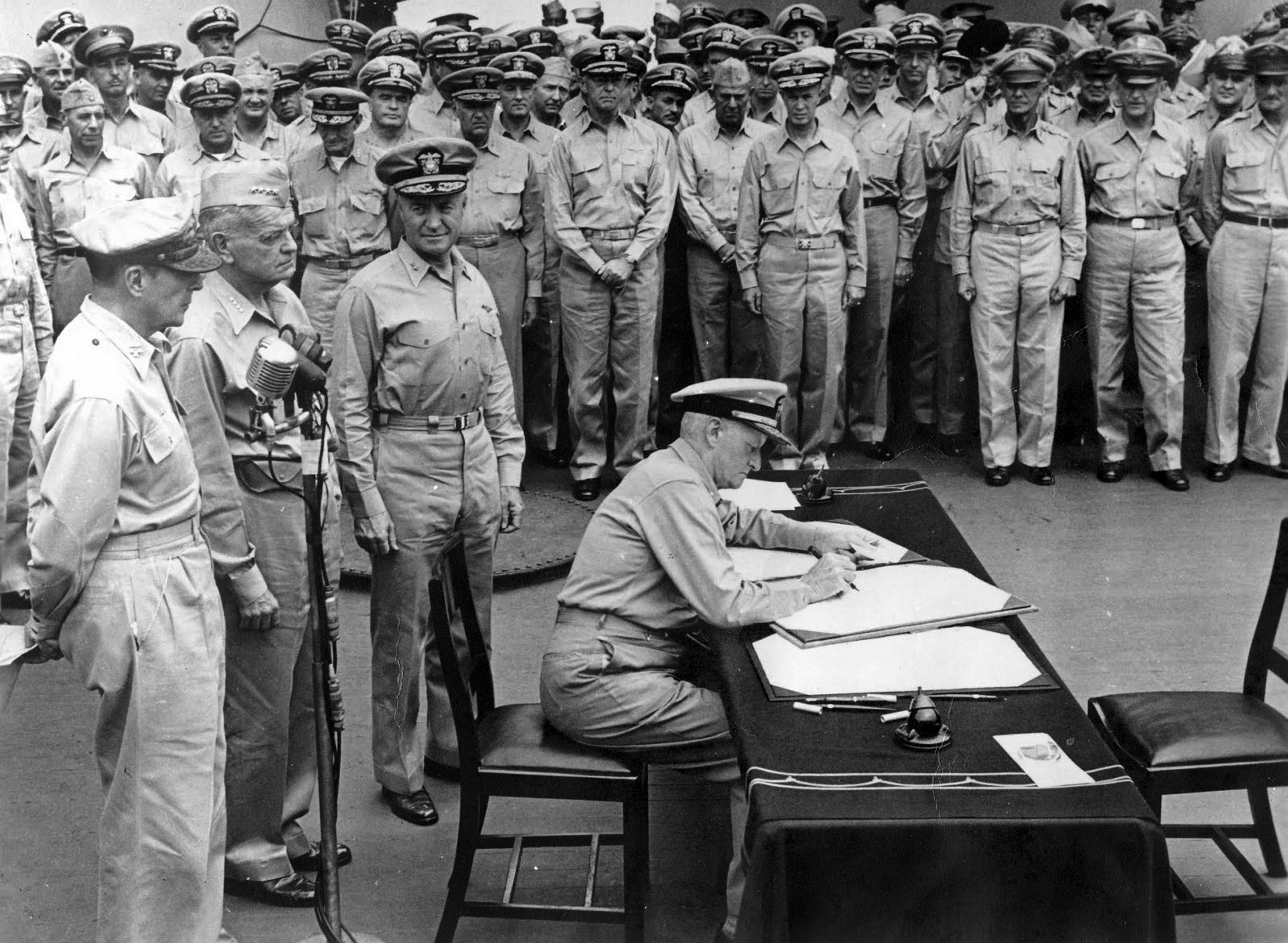
the USS Missouri in Tokyo Bay on Sept.
2, 1945, Nimitz signed his name to the treaty as the U.S. representative to the
formal surrender of Japanese forces.
Now
the Fleet Admiral — a lifetime appointment by President Roosevelt — Nimitz stopped
serving with the Navy two years after the end of the war but continued his
public service as a roving ambassador for the United Nations, regent of the
University of California, and chairman of the Presidential Commission on
Internal Security and Individual Rights under President Truman.
In
1966, Nimitz suffered a stroke, and he passed away in February of that year. He
is buried at Golden Gate National Cemetery in San Bruno, California.
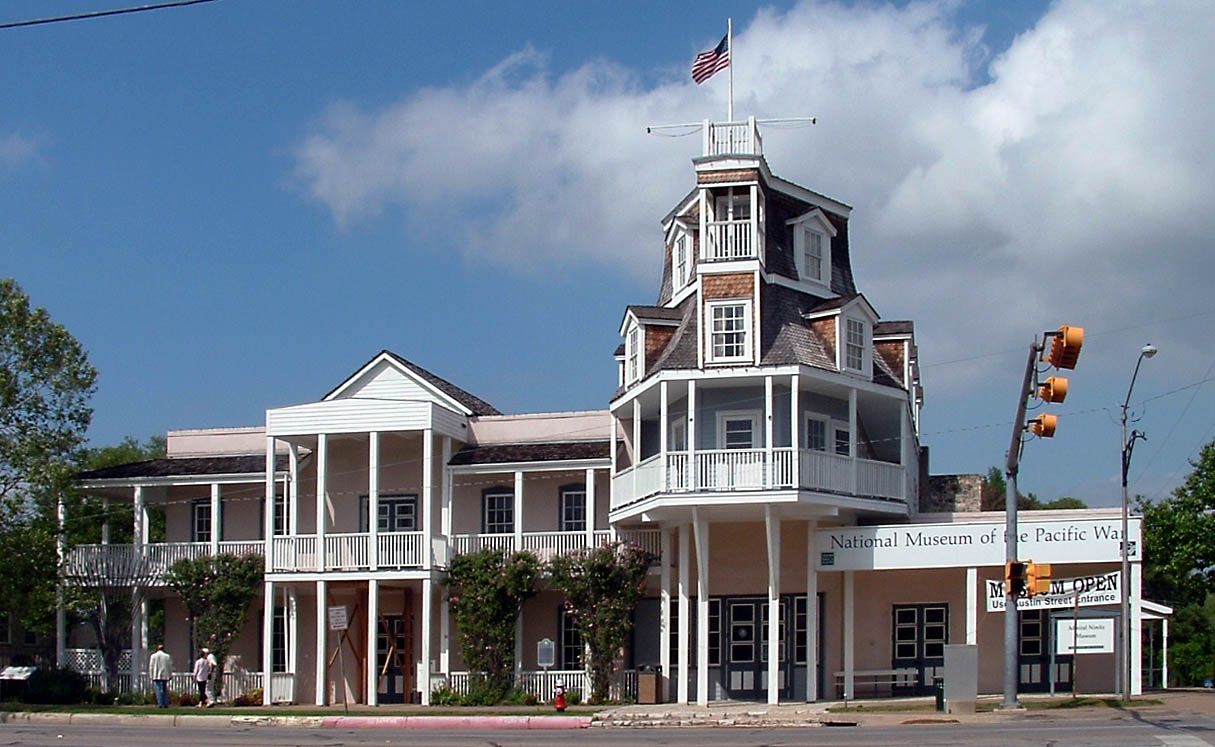
In 1964, Fredericksburg citizens decided to honor their neighbor who had become a hero of the second World War by turning his grandfather’s historic Nimitz Hotel into a memorial and naval museum.
Throughout
the decades, the museum has evolved into the National Museum of the Pacific
War, featuring 55,000 square feet of exhibit space that interprets the history
of both the Pacific theater of the war and the Fredericksburg native who led Navy
forces.
In
1976, the Japanese government gave Fredericksburg and the museum a Japanese
peace garden to celebrate the small Texas town’s 130th anniversary. This year,
the old hotel will reopen after extensive renovations to the exhibition that
tells the story of the incredible life of Admiral Nimitz.
Today,
the museum does more than honor one of Fredericksburg’s most notable sons. The
museum is an education and research center that contains manuscripts,
documents, photographs, and interviews with Pacific war veterans that are
invaluable to researchers and historians of World War II.
Travelers
through the little town may find it odd that such a monument to the U.S. Navy
sits so far from the coast. It is a reminder of the twist of fate that once
sent a son of German immigrants from the hills of Texas to the U.S. Navy, so
that he could forever change the course of history.
For more Texas history, check out this guide to the historic forts trail.
Weird History: A Fake Doctor and the Dawn of Radio
Ever heard someone say, “only in Texas”? This could be why.
Get to Know the Strong Women of Texas History
Women don’t always get a lot of space in the history books. Sometimes, you have to write your own history.

Meet 4 Texas Cartoonists Behind Your Favorite Animations
Some of the most iconic cartoon characters were dreamed up by Texans.
7 of the Most Texas College Traditions
Tradition is what binds us together. If you’re looking at colleges this fall, learn about your potential schools’ favorite traditions.
The 6 Biggest Moments in Recent Texas Pop Culture History
The most impactful and cultural monuments in Texas.
The History of the Six Flags Over Texas
Over the years, six flags have been raised and flown over Texas. Here is the story behind each one.