
Have a Very Merry Texas Christmas
Judging by holiday card covers alone, the wintry North would appear to have a monopoly on traditional Christmas cheer. But Texans know better. Our state has its own deep traditions that trace their roots back to Texas’ cultural melting pot of founders, creating a Christmastime collection that can only be called uniquely Texan.
Mexican, German, Czech, and cowboy traditions have filtered down through the generations in the form of Christmas trees, tamales, fruitcakes, and barbed-wire wreaths. Before the time when Fraser and noble firs could be trucked down for the season, Texans would chop down cedar and shortleaf pine for Christmas trees. Along the border, the Mexican celebrations of pastorelas, or shepherd’s plays, give that region of the state its unique Christmas spin.
Here are ways you can do the same.
On the Table
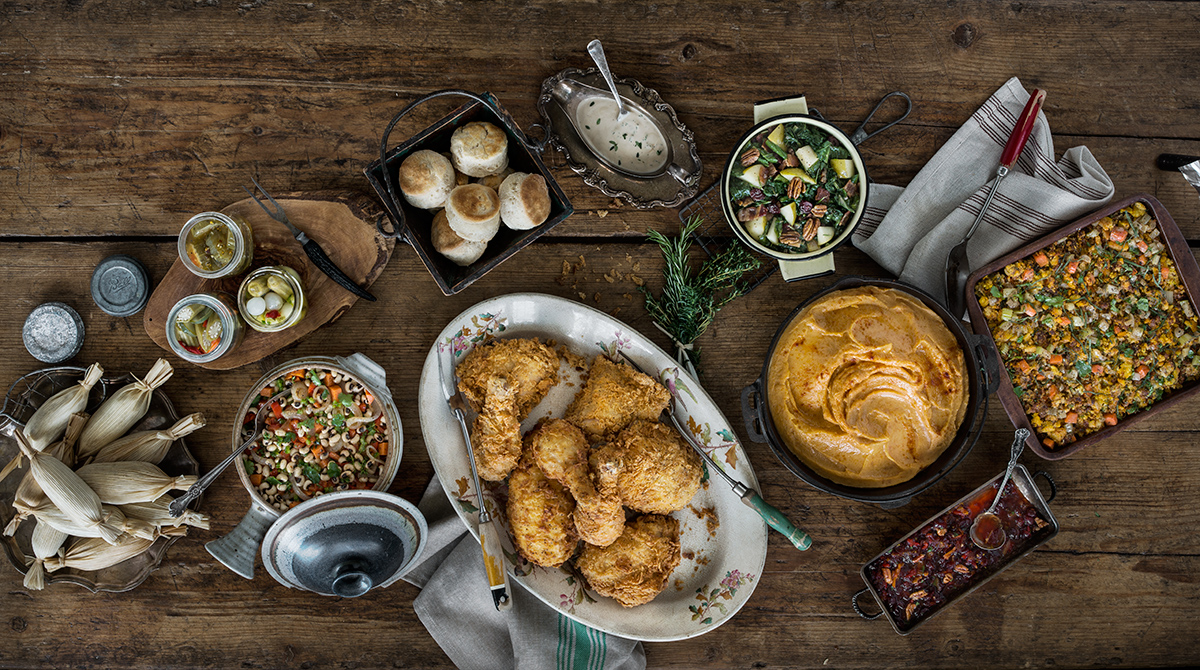
One of the great things about Christmas in Texas is the mild weather, which makes it perfectly acceptable to break out the outdoor cookware for Christmas dinner. Classic main courses include deep-fried or smoked turkey, barbecue, steak, grilled quail, or prime rib.
In the west around El Paso, where turkeys were difficult to come by in years past, there is a tradition of serving roast chicken on Christmas. And, of course, Christmas in Texas wouldn’t be complete without plenty of tamales, a Mexican tradition that has been warmly embraced by Texans all across the state.
Sometimes Christmas dinner can look a lot like the Thanksgiving meal from one month before, so give it a Texas twist this year by serving chorizo corn bread stuffing, mac and cheese, and green bean casserole. For dessert, the true Texan way to go is plenty of pecan pie — or try sweet empanadas filled with pumpkin or apple-pecan cajeta.
Trimming the Ranch
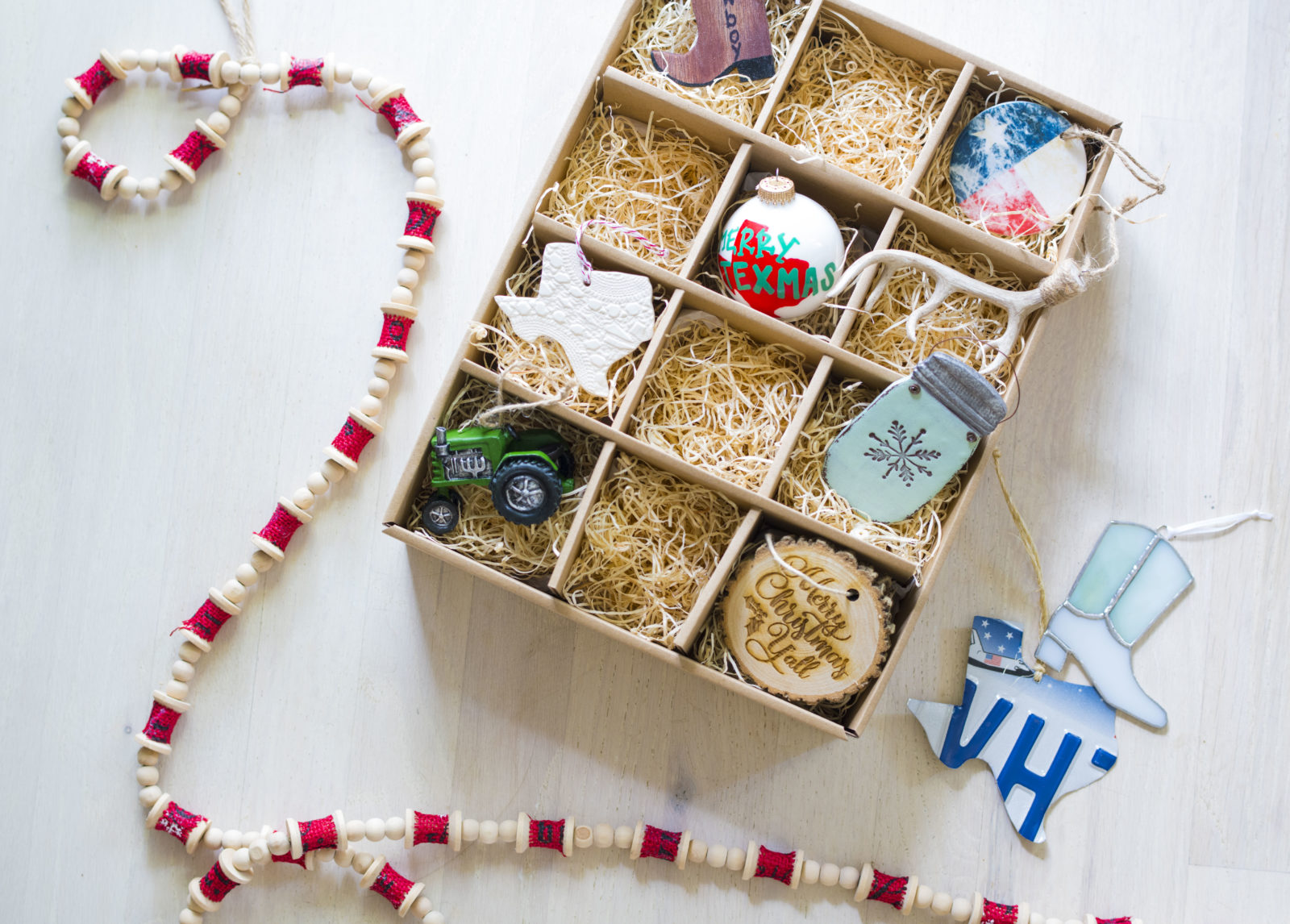
When it comes to decorating for Christmas, Texans go big. Forget hanging a stocking over the fireplace — a cowboy boot can hold more loot. If you can’t top the tree with a Texas Lone Star, try a cowboy hat. After all, our Eiffel Tower wears one.
Instead of lights, try stringing red chilies around the tree; trimming and hanging fresh mistletoe, which grows wild across the state; and displaying Mexican poinsettias (these plants are mildly toxic to animals and may cause discomfort if eaten, so keep out of reach of pets!).
At holiday superstores like Decorator’s Warehouse in Arlington and Miss Cayce’s Christmas Store in Midland, you can find Texas Christmas tree ornaments, like glass cowboy boots, Lone Star States, or Texas flags. Some Texans dedicate their trees to showing Aggie, Raider, or Longhorn pride with college-themed ornaments. Christopher Radko makes a glass armadillo ornament that every good Texas Christmas tree deserves. Or, you can make your own. Creative Etsy crafters have even transformed old Texas license plates into ornaments.
Celebrate With Your City
Texas is home to some of the largest Christmas celebrations in the country. Grapevine, the “Christmas Capital of Texas,” hosts 1,400 holiday-related events over a 40-day period; but there are plenty of celebrations to go around throughout the state, from German-style Christmas markets in the Hill Country to Las Posadas along the border. And, of course, it seems every town has its own lights festival.
So whether your annual tradition includes wandering through the Festival of Lights at Moody Gardens in Galveston, strolling the lit-up River Walk in San Antonio, or riding in a carriage through Highland Park in Dallas, embrace your Lone Star pride and make this Christmas a very merry Texas Christmas.
To go along with your decorations and your holiday plans, try out these Texas-themed gift ideas for your friends and family.
© 2017 Texas Farm Bureau Insurance