Please sign in as a member or guest below to access it.
Please sign in as a member or guest below to access it.

Ready. Set. Floof.
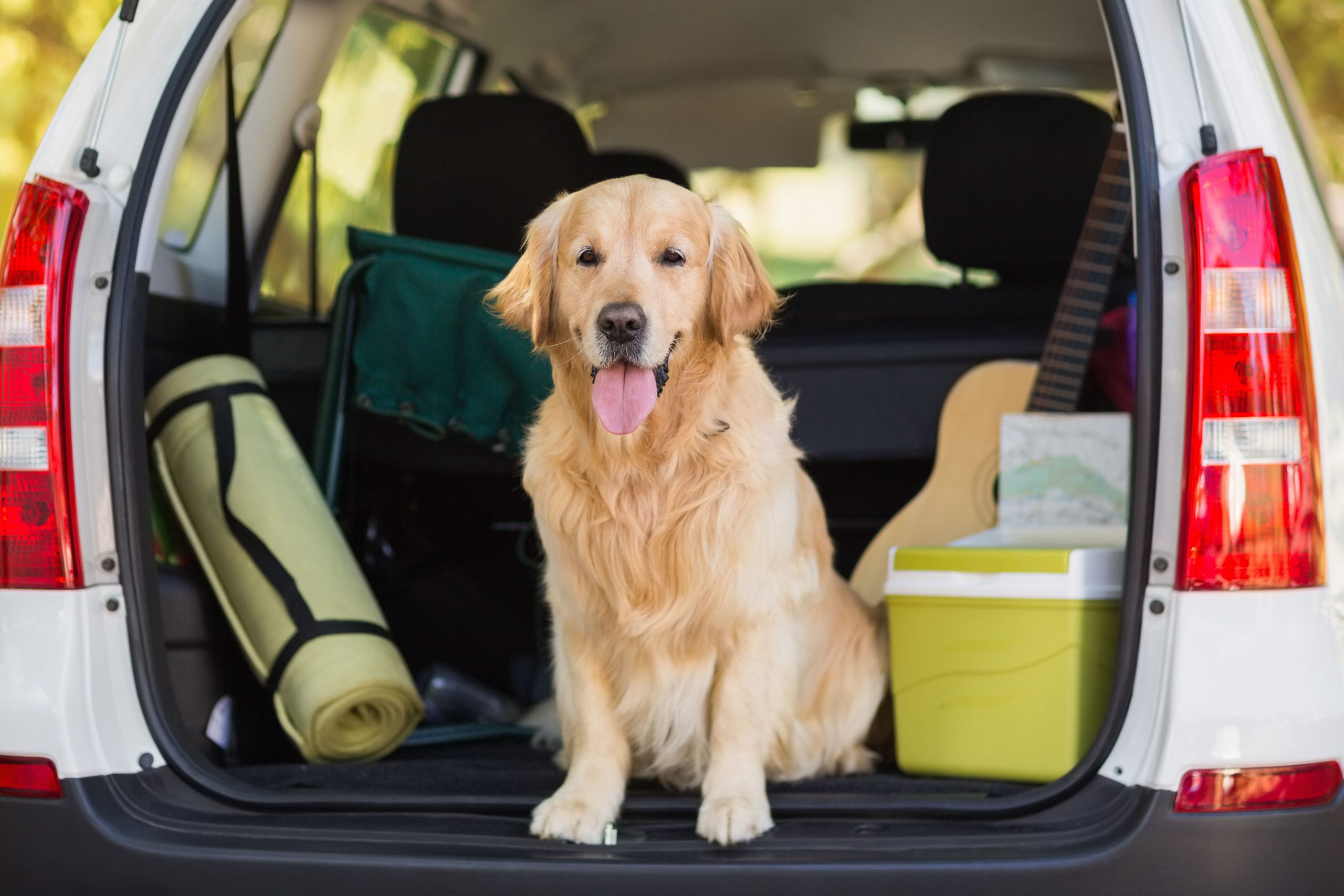
Our beloved pets are furry, four-legged members of our family. So, it’s only natural to include them in spring road trips and summer family fun. If they’ll be joining you in the car, keeping your pets safe, calm, and secure is just as important as checking your vehicle before a trip. Use these safety tips:
Before your trip, consider having your pet microchipped, and make sure they have an ID tag on their collar with your cellphone number. If you’re prepping for a longer trip, get a temporary ID tag that includes contact information for the place you’ll be staying. You’ll have peace of mind should they slip away from you at some point on the journey.
If you’re gearing up for a long road trip with your pet in tow, start small by allowing your pet to accompany you on shorter drives. Build up the distance over time. Repetition will familiarize your pet with the sights, sounds, and smells associated with riding. Also, they will gain an understanding of their role — and your expectations — while they’re in the vehicle. These short trips will also let you know if your pet suffers from anxiety or motion sickness. This way, you can intervene with your veterinarian’s help before the big trip.
Feed your pet a light meal three to four hours before you leave. Also, build in bathroom breaks along your route. You’ll need to stretch your legs, and they’ll appreciate an opportunity for well- earned zoomies!
Most dogs love sticking their heads out the window, ears flapping in the wind. As cute as this is, it’s also dangerous for both you and your pet. Not only could they fall out of the window or hit an oncoming object, but it’s also easy for you to be distracted worrying about their well-being. In 2021, distracted driving on Texas roads caused nearly one in five crashes, killing 431 people and seriously injuring 2,934, according to the Texas Department of Transportation.
Airbags can have a deadly impact on unrestrained pets sitting in the front seat. The best approach is to restrain your pet in the backseat (if possible) with a car harness, dog seat belt, or crate. There are several options on the market, so do a little research to see what might be the best fit for your pet. The Center for Pet Safety can help if you need guidance on where to start. The nonprofit research and consumer advocacy organization tests harnesses, crates, and carriers.
Bring bottled water for your pet. This will help keep them hydrated, but it’s also another step toward keeping them safe. If your pet drinks water from an unfamiliar source, it could upset their stomach.
Bring along your pet’s favorite toys, blankets, bedding, and treats. These items will help them feel safe, secure, and comfortable — especially if you’ll be away from home for a while.
Before you hit the road, consider these other summer pet-safety tips.
4 Roadside Safety Tips for Texas Drivers
Keep yourself protected with this guide to getting back on the road to safety.
Remain Calm: Fender Bender Tips and Guidelines
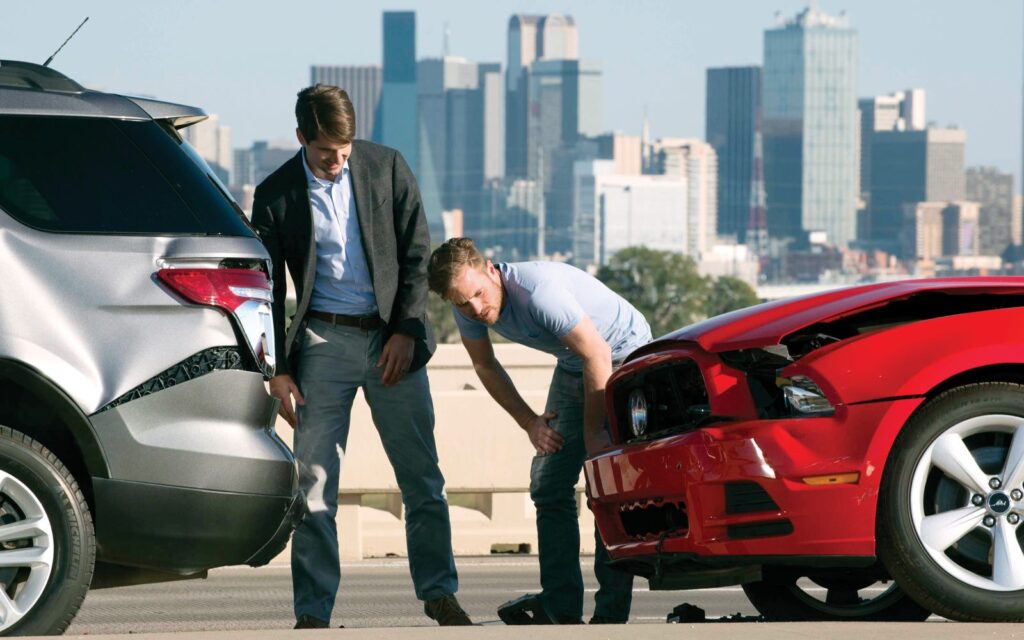
Minor car accidents can shake you up. Know what to do in a fender bender by watching this video.
Basic Car Maintenance You Can Do Yourself
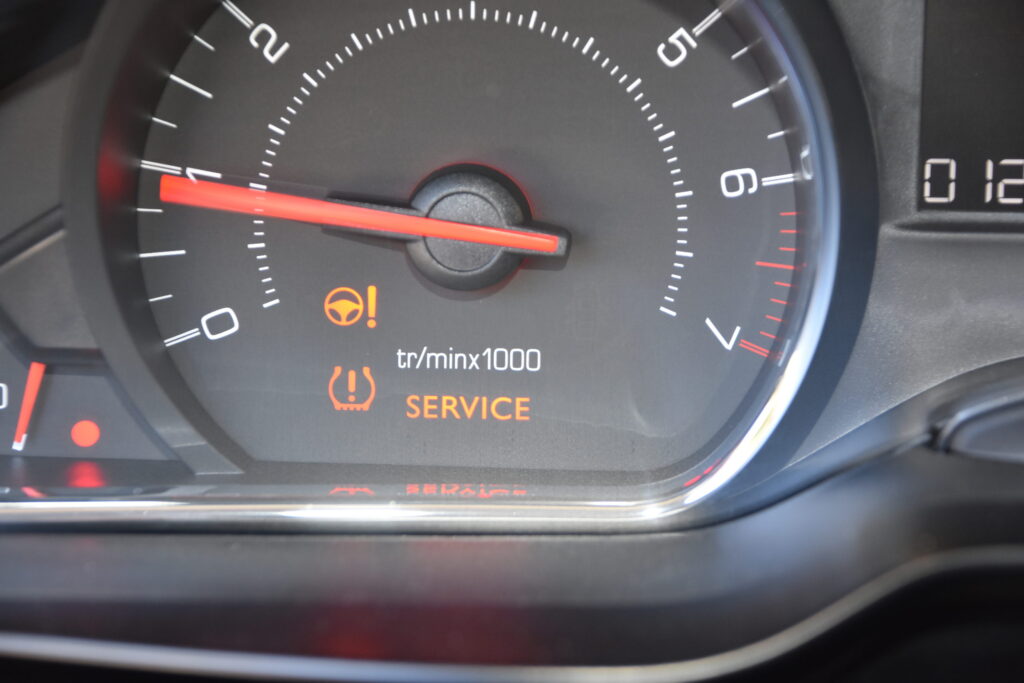
Get peak performance and prevent costly damage with our DIY maintenance tips perfect for any budget.

A Guide for Expecting Grandparents
A crash course on infant safety for new grandparents.

What to Do in Heat Emergencies
And how to prevent them.

Our Complete Guide to Texas Weather Safety
Texas sees many forms of extreme weather. Here’s how to protect yourself from all of them.