Please sign in as a member or guest below to access it.
Please sign in as a member or guest below to access it.

Your solar panels just got safer.
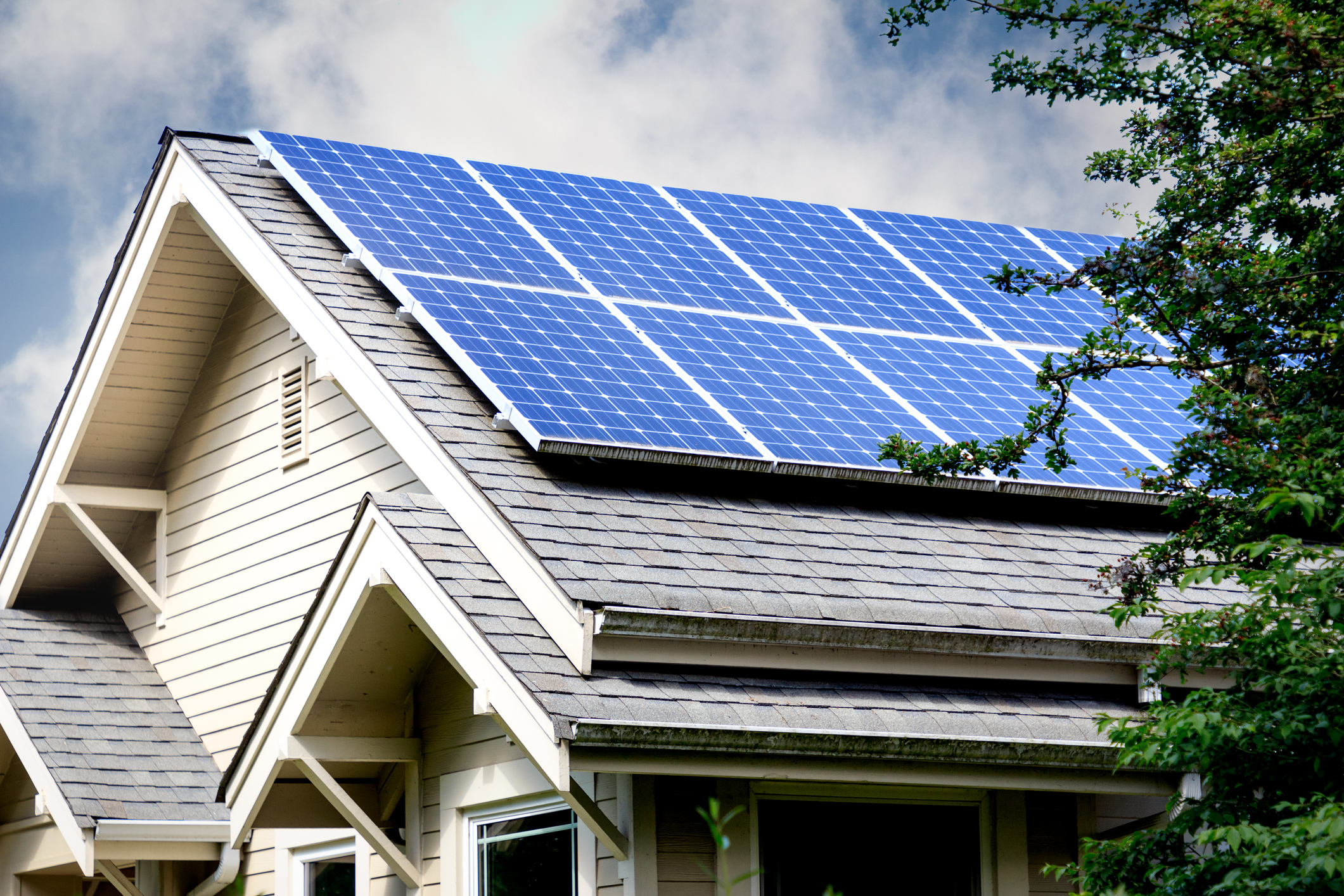
Solar
panels are becoming an ever-more prevalent source of electrical power for every
business sector and residential area under the sun. A renewable and often cost-effective
investment, solar panels can provide homeowners with an energy-efficient
alternative to traditional home heating and electrical systems.
However, although photovoltaic power is largely safe for homeowners, it does pose many startling safety concerns for first responders in the event of an emergency. As a result, 28 states across the nation, including Texas, have adopted the most recent electrical coding requirements that advocate for first responders’ safety during fire containment in solar-powered homes.
Read up on the latest electrical code requirements that may help prevent your family from contributing to the more than $600 million spent annually on property damage that’s often a result of out-of-code wiring.
Solar
panels complicate many of the high-priority tasks that firefighters undertake
during their initial moments of subduing a blaze. Responders quickly look to
cut the power supply during an emergency to lessen the risk of electrical
shocks during their work. The wiring behind solar panels is often difficult to
navigate, and even if a firefighter does manage to successfully locate a
shutoff switch, they may not to be able to de-energize panels still exposed to
the sun or the wires that feed into them.
Backup generators and battery-storage equipment can pose even further safety risks to firefighters trying to quickly extinguish prospects of electrical shock.
Firefighters
move swiftly to ventilate the roof of a burning home and attempt to keep it
from collapsing. The additional weight of the panels alone makes the roofs of
homes powered by solar energy more likely to collapse. Couple that with the
limited roof access afforded by panels that may still carry electric current
even if correctly shut off, and you have a recipe for a compounded
disaster.
The most recent version of the National Electrical Code (the NEC17) requires homeowners and business owners to install rapid shutdown devices that will lower the voltage stored in solar panels to 80 volts within 30 seconds of activation during an emergency and will diminish any further power supply to the panels.
This
allows first responders to work as closely as one foot away from a group of
solar panels without high risk of electric shock. Previous codes held this
distance at 10 feet and allowed significantly higher voltage capacities.
The
requirements also call for clear and vibrant labeling of the rapid shutdown
device so that it can be easily located by first responders in an emergency (labels
should have a red background and white lettering).
Finally, the code limits rapid shutdown devices to specific types of equipment. Owners of panels installed after January 1, 2019, can bring their panels to compliance with the new code by installing optimizers or microinverters.
With
these code updates in mind, you can ensure your solar-powered home is set up in
the safest way possible for your family and first responders should disaster
strike.
Talk to your Texas Farm Bureau Agent about what changes to your property insurance could further protect your home and help you prepare financially for an emergency as well.
Coverage and discounts are subject to qualifications and policy
terms and may vary by situation.
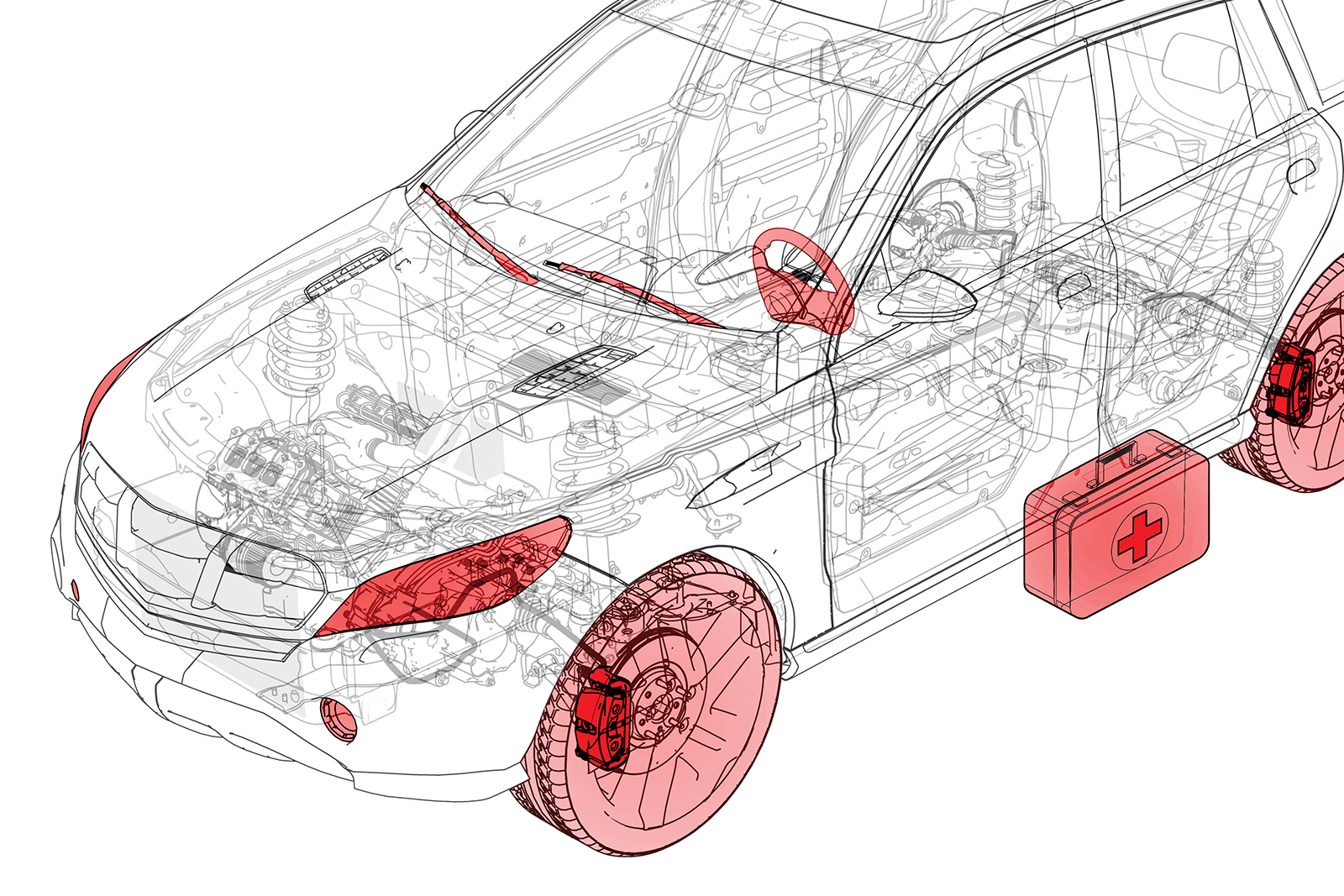
Anatomy of a Storm-Ready Vehicle
It’s raining, it’s pouring, and ideally, your spring commute is boring. Follow this guide to ready your car for unexpected spring storms.

Practical tips for pools, grills, and trampolines.

The Future Is Here: How Self-Driving Cars Are Changing Our Roads
Self-driving cars promise faster, safer, and more efficient roads. But how will these new technologies change the way we drive?
Stay Safe While Decorating for the Holidays
Before it begins to look a lot like Christmas at your house, make sure you are familiar with safety practices.

Barbecue fires are almost always preventable.
Stay One Step Ahead of Texas Winter Weather
Get ready for, well, pretty much anything.