Please sign in as a member or guest below to access it.
Please sign in as a member or guest below to access it.

As a parent, you want to do everything you can to teach your teen safe driving skills and habits.
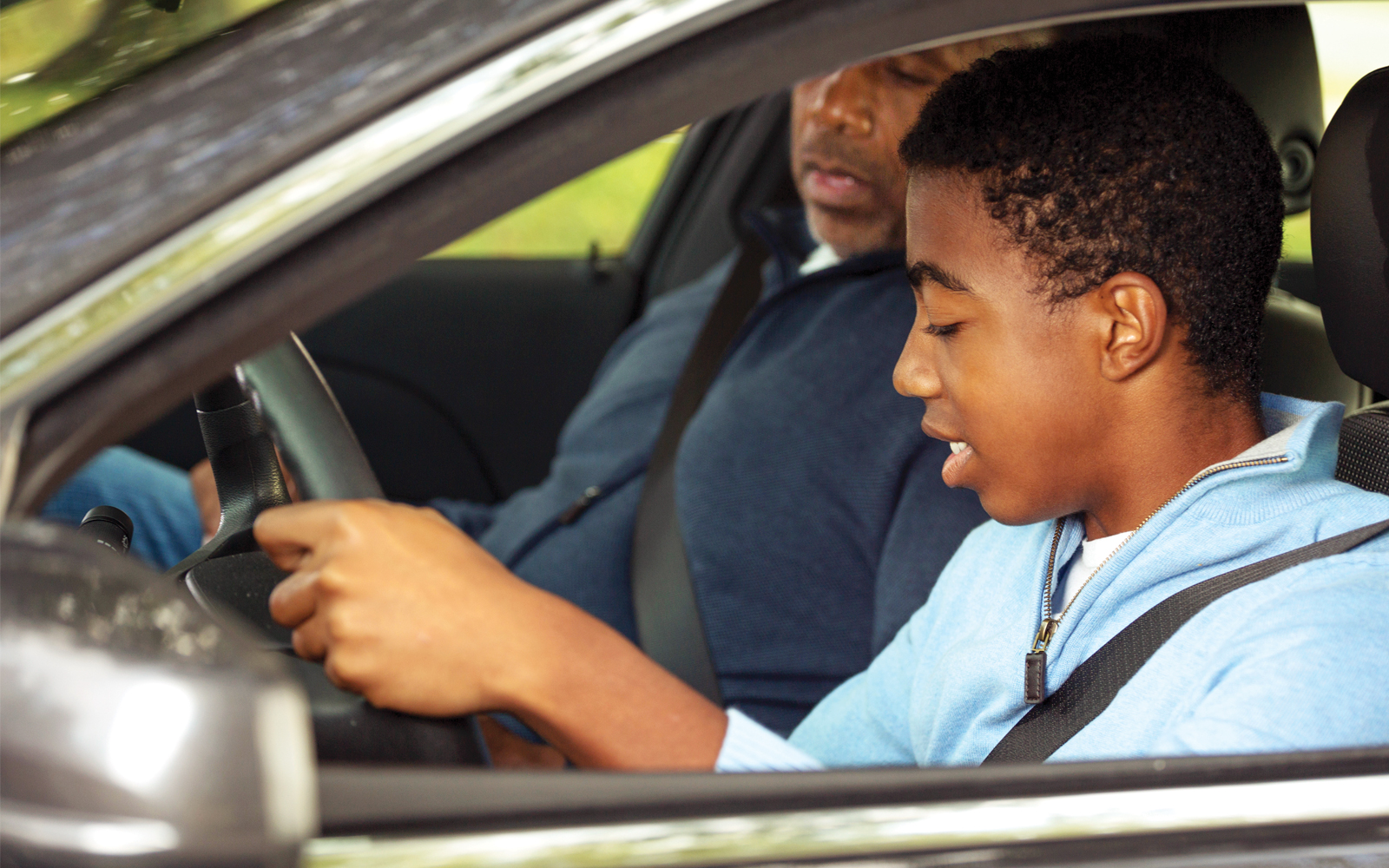
You taught him how to ride a bike and coached her through her first free-throws, but your teens’ next milestone will involve a lot more than training wheels and flat surfaces. Handing over the car keys to teenage drivers can be a mixed bag of emotions, ranging from pride to complete and utter fear as they enter into this new phase of life.
“Teen drivers have a heightened risk of collision, compared to older, experienced drivers,” explains Dan Mayhew, senior research scientist and advisor at the Traffic Injury Research Foundation. “The greatest risks on the road for teen drivers relate to skill deficiencies and lifestyle issues, such as immaturity and susceptibility to peer pressure.”
Fortunately, driver’s education can reduce those risks. Since 1932, experienced instructors have taught new drivers the rules of the road, as well as the knowledge, attitudes, and skills necessary to operate a vehicle on highways. A nationwide initiative to improve driver’s education and promote national standards has included updating the Novice Teen Driver Education and Training Administrative Standards. Today, both instructor-led and at-home driver’s education courses in Texas are better than ever.
Parents play a major role in ensuring their children’s safety when driving too. Is traditional, instructor-led driver’s education better than the state-provided, do-it-yourself driver’s education, or could online training be just as good?
“Teens can learn the basics of vehicle handling in a matter of hours, but it takes years to become a skilled, safe driver under all driving conditions,” says Ruth Shults, Ph.D., M.P.H., a senior epidemiologist and teen-driving expert with the Centers for Disease Control and Prevention (CDC). “Families should be encouraged to have their teen practice driving with an adult supervisor as much as possible and in all types of driving conditions.” Shults’ tips:
As you teach your teen the basics of driving (start with the 9-and-3 hand position on the steering wheel and work your way up to the challenge of parallel parking), don’t forget to talk with them about other healthy driving habits. Stress the importance of continually scanning for potential hazards, such as vehicles, bicyclists, and pedestrians.
Emphasize the importance of minimizing distractions and keeping attention on the road and encourage teens to avoid the following activities for at least the first six months of licensed driving:
For peace of mind on the road ahead, protect your new driver with auto coverage from Texas Farm Bureau Insurance. Call your Agent for more information today.
Coverage and discounts are subject to qualifications and policy terms and may vary by situation.

Keep your pets safe from these common summer dangers.
Take This Electrical Shock Test
Do you know how to prevent electrical shocks in your home?
How to Toddler-Proof Your Home
Keep your little ones out of harm’s way at home.
4 Roadside Safety Tips for Texas Drivers
Keep yourself protected with this guide to getting back on the road to safety.
Did Your Child Get a Concussion?
Keep your kids safe on the field with this advice for avoiding head injuries in youth sports.

A Guide for Expecting Grandparents
A crash course on infant safety for new grandparents.