
Please sign in as a member or guest below to access it.
Please sign in as a member or guest below to access it.

Cultivate a space that can hold up in the Texas heat.
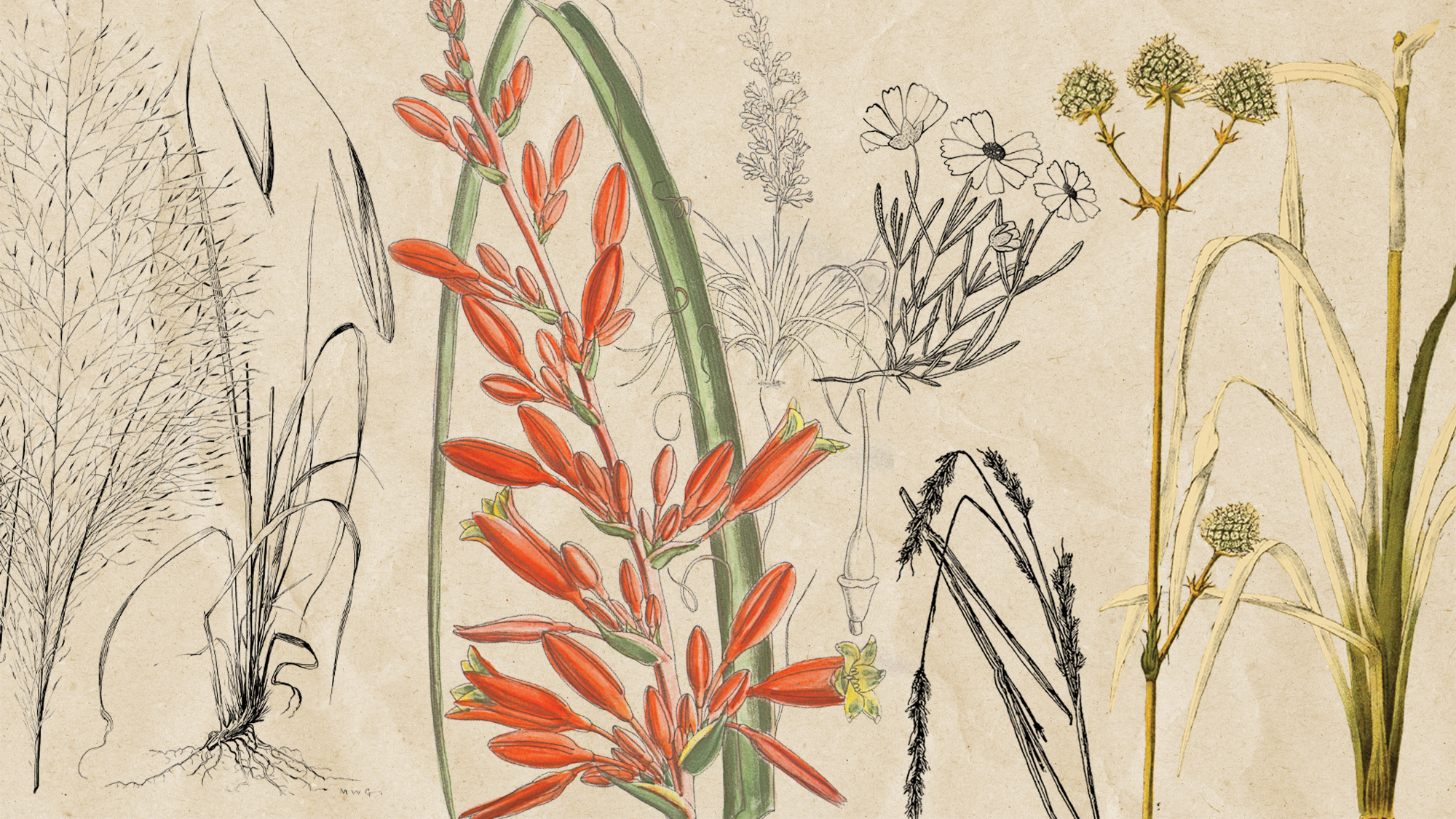
Texas is famous for long droughts and extreme heat, but there’s no need to write off your trees, shrubs, and other plants. In fact, they can prove key allies in safeguarding your home. According to the Texas A&M Forest Service, most Texas wildfires now occur within 2 miles of a community rather than in rural areas, as was the case historically. Water-efficient trees and shrubs can save money and time, stop the spread of wildfire.
While no fireproof plants exist, fire-resistant plants are slower to ignite when exposed to intense heat.
One of the main characteristics of fire-resistant plants is high moisture content. Many also tend to have deeper root systems, habits than those of highly flammable plants. Plants that don’t “shed” much (allowing dead leaves or petals to accumulate) or contain high levels of resin or oil are also more fire-resistant.
Native plants are more likely to thrive in Texas, doing well even when conditions are very hot and dry, because they evolved specifically for the area. Using native plants when possible can help make your property more drought-tolerant.
Of course, when it comes to avoiding fire, it’s not just what you plant that matters but where you plant it. Keeping at least 3 feet of physical space between your plants and home (or carport, siding, deck, etc.) is key. Breaking up the yard with nonflammable “hardscape,” such as rocks or gravel, can limit the spread of potential fires.
Regularly maintaining your plants can also prevent the spread of fire. Keep leaves and other debris from accumulating on the ground. Trim lower tree branches so they don’t create “ladder fuels” that allow fire to climb into the canopy. Pruning dead limbs from trees and shrubs keeps them looking nice while removing fuel sources.
Little bluestem: This ornamental prairie bunchgrass can reach 5 feet or higher and tolerates drought like a champ. A beautiful mahogany color appears in the fall and remains for most of the winter.
Blackfoot daisy: Tough, flowering, and bushy, the plant produces slender leaves and white, honey-scented blooms.
Purple coneflower: This showy, easy-to-grow perennial is reliably drought-tolerant once its deep roots have been established.
Autumn sage: This flowering shrub with minty evergreen leaves is beautiful even in intense summers. It also attracts hummingbirds.
Flame acanthus: For a pop of color, plant this visually striking, low-maintenance spreading shrub with long, fiery flowers. Exceptionally heat- and drought-tolerant, it’s a great option to plant near homes.
Texas sage: This lovely silvery shrub makes a great hedge and blooms with bright purple or pink flowers from spring until fall.
Red yucca: This leafy plant with a short, woody base needs almost no watering once established. Its supple leaves hold moisture well, which is a great quality for a fire-resistant landscape.
Gulf muhly grass: Another great drought-tolerant native grass, this soft ornamental beauty takes on a deep blush in autumn, like fluffy pink feathers.
Rattlesnake master: Plant this spiky prairie native in places you don’t want kids or pets wandering — it’s as uncomfortable and unwelcoming as it is gorgeous.
Texas redbud: This beautiful tree offers natural shade while tolerating drought much better than most. Pollinators and bloom in spring.
Keep your yard clear and thriving with these tips for keeping weeds away.
Add some festivity to your home with these beautiful, seasonal arrangements.
Bug off, skeeters.
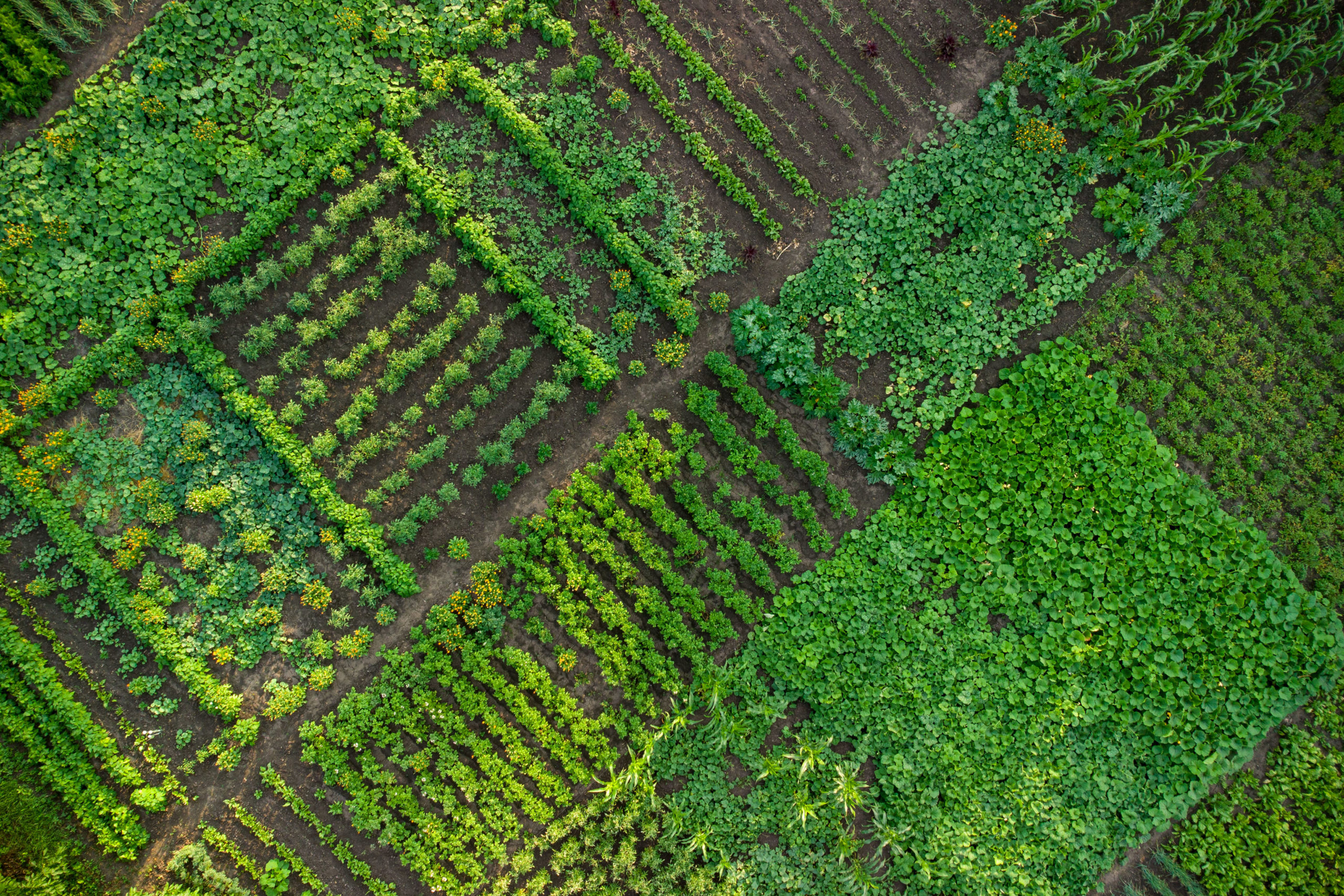
Plan out a year of seasonal gardening with your personalized calendar that tells you when to begin germination, planting, and harvesting.
Cut Your Utility Bill With Cool Alternatives
Try these tips to cut your utility bill this summer.

How to Safely Store Your Clothes
You might want to ditch the cardboard boxes.

Refresh Your Space Using Feng Shui
Bring balance to your home.