
Please sign in as a member or guest below to access it.
Please sign in as a member or guest below to access it.

We explore the eastern state parks in Texas.
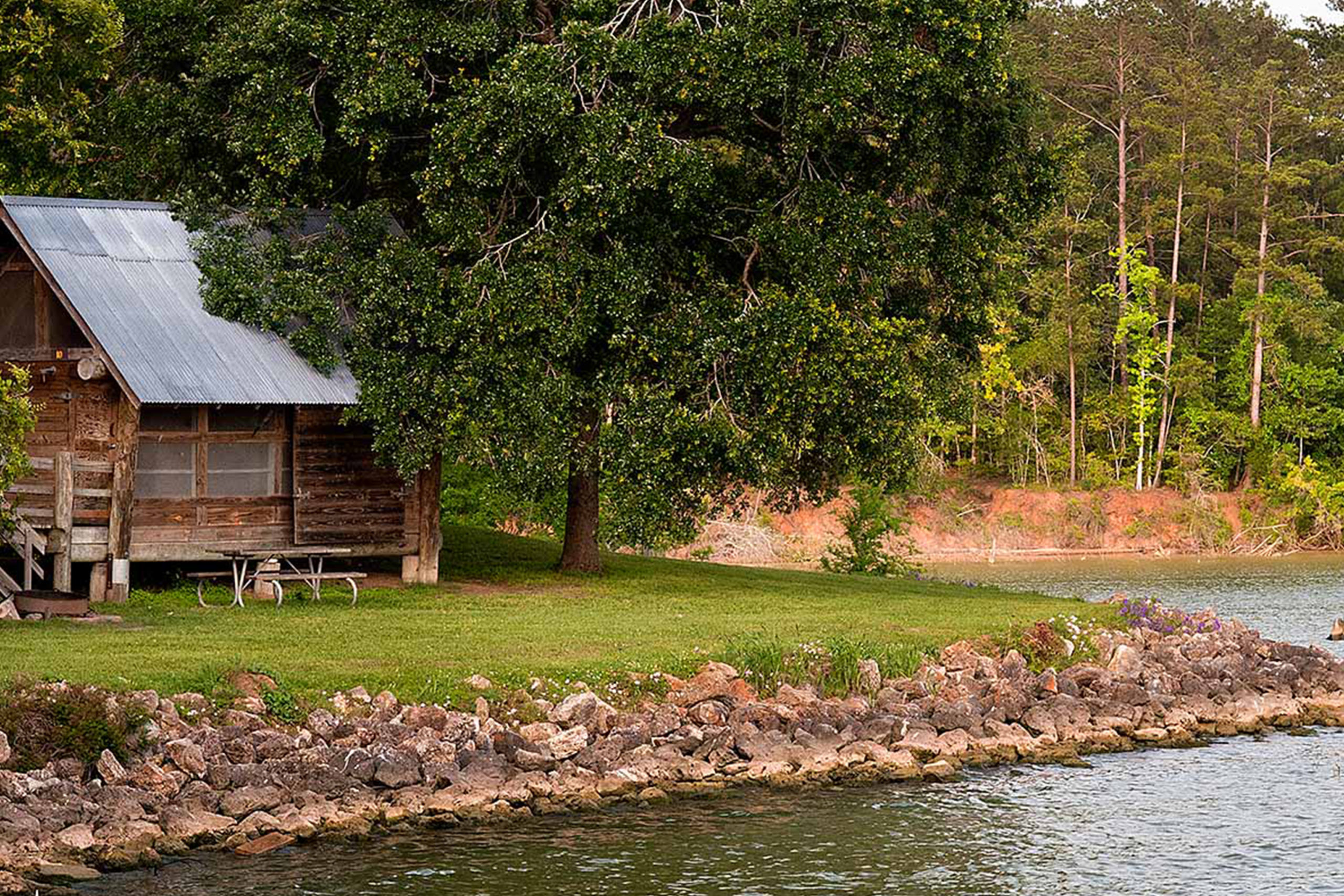
The character of East Texas is greatly influenced by its unique ecological features. On a map of Texas’ ecoregions, East Texas is clearly distinguished by a canopy of piney woods. The timberline stretches from around Texarkana down toward Huntsville before it bends back to the Golden Triangle. On a topographic map of Texas, you can see how the state slopes from the high plains in the west down toward the east, which explains why many of Texas’ rivers run through East Texas before draining into the Gulf of Mexico.
As a result, East Texas’ natural landscape is a collection of forests, rivers, streams, bayous, swamps, and human-made lakes. It contains some of the most treasured parks in the system, including Caddo Lake, Texas’ only natural lake. These parks offer wonderful opportunities for hiking, forest exploration, watersports, and fishing.
Begin your exploration with one of these 13 East Texas state parks.
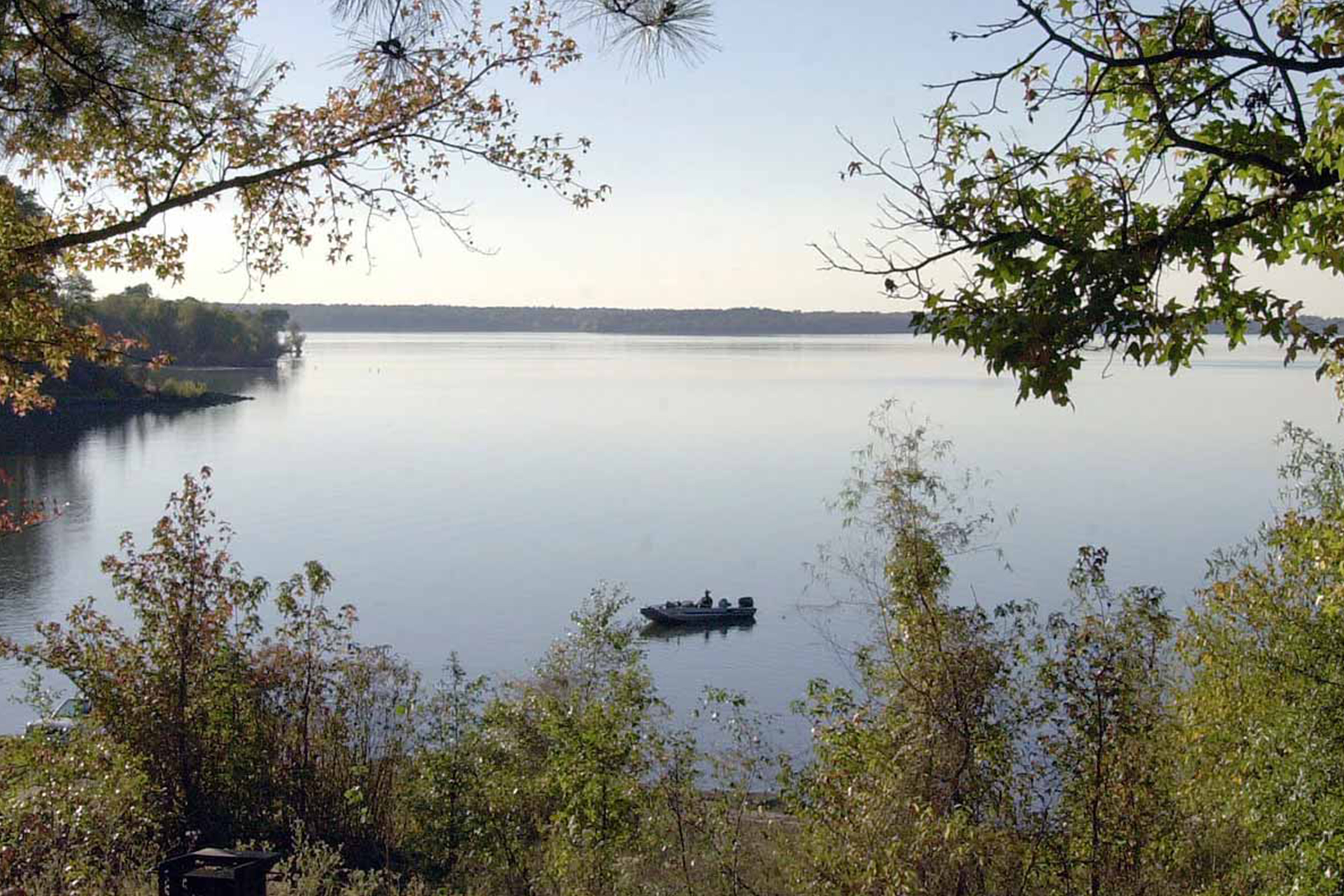
Tucked away in the northeast corner of the state, Atlanta State Park sits along the shores of Wright Patman Lake, a reservoir on the Sulphur River. Visitors are surrounded by piney woods that flaunt beautiful colors all year — but the dogwoods in spring are a must.
The towering pines, oaks, and dogwoods that surround Lake Daingerfield have been nicknamed the “Cathedral of Trees,” and visitors can experience their grandeur by taking an easy, 2.4-mile hike through the forested Daingerfield State Park. Georgia Anna Chambers Connor donated several hundred acres in the early 1930s, allowing for the park to be built. The park was improved a few years later by the Civilian Conservation Corps (CCC). One of the best ways to experience its beauty is to stay overnight in one of the rustic cabins built by the CCC.
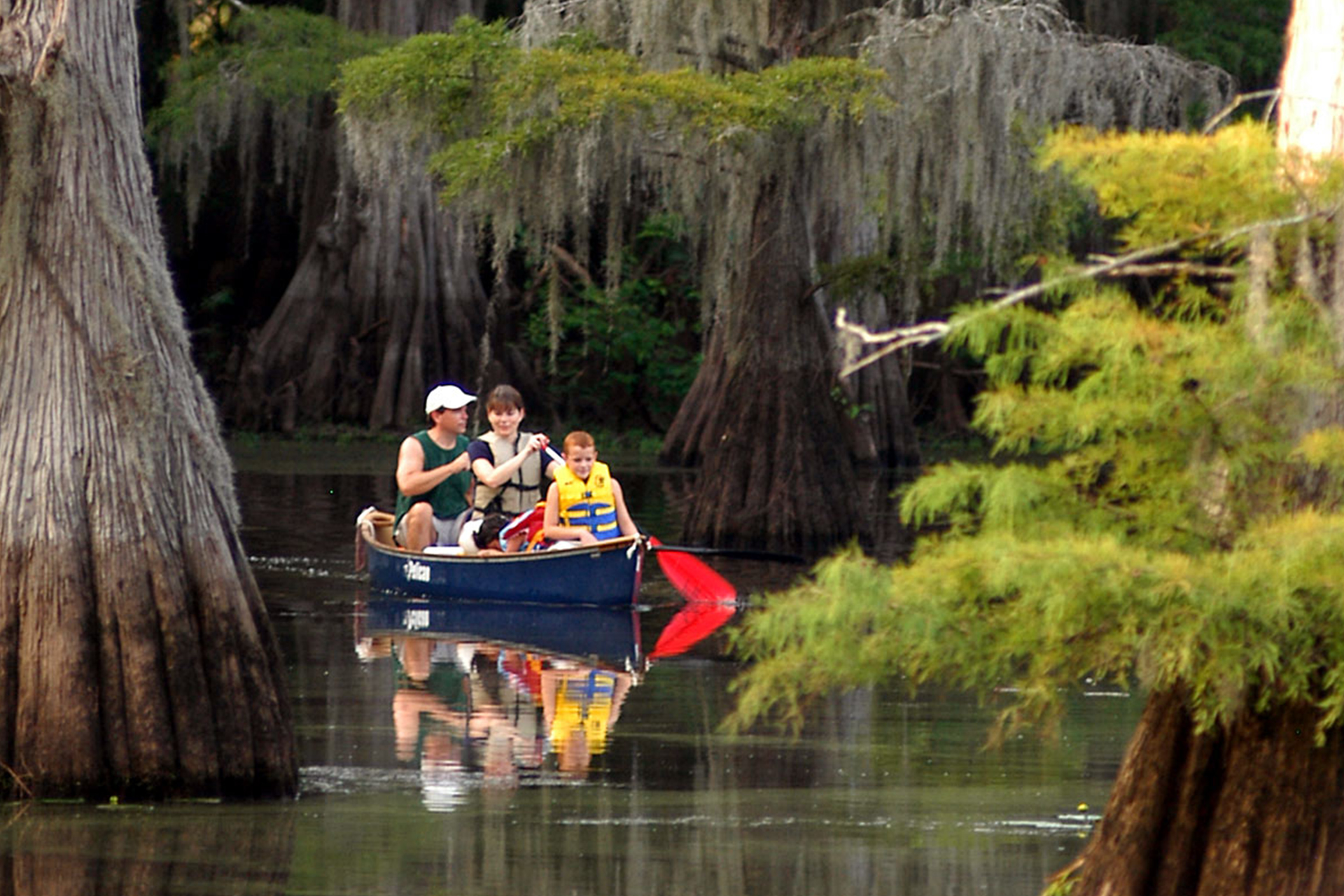
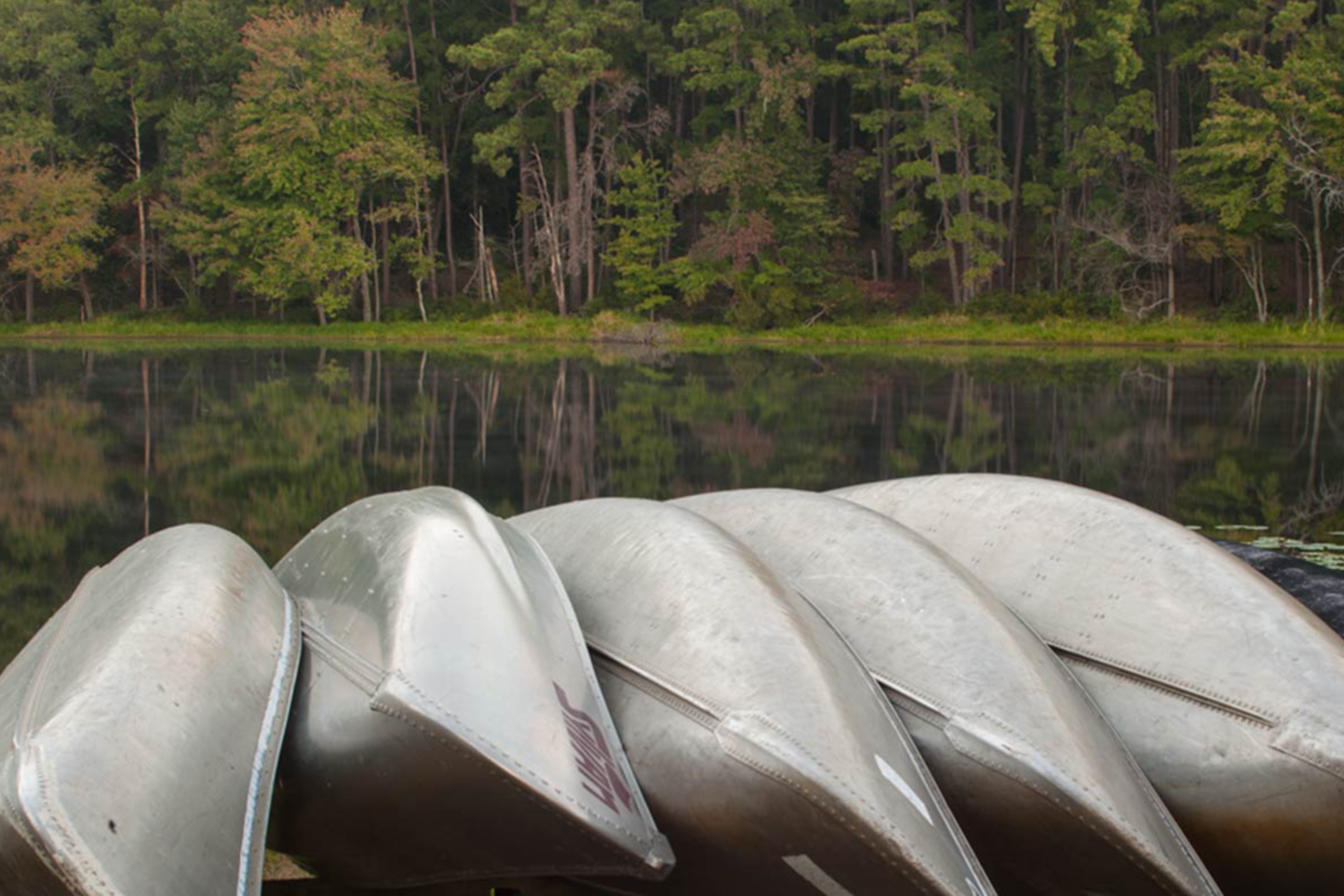
One of Texas’ true ecological treasures, Caddo Lake is not only the state’s only natural lake, it’s also home to one of America’s largest collections of bald cypress trees, which sprout from a labyrinthine network of bayous, sloughs, and ponds. The best way to experience Caddo’s magic is with a paddle in hand. Caddo Lake State Park will rent visitors canoes and offer guidance to exploring the lake’s 50-plus miles of paddling trails.
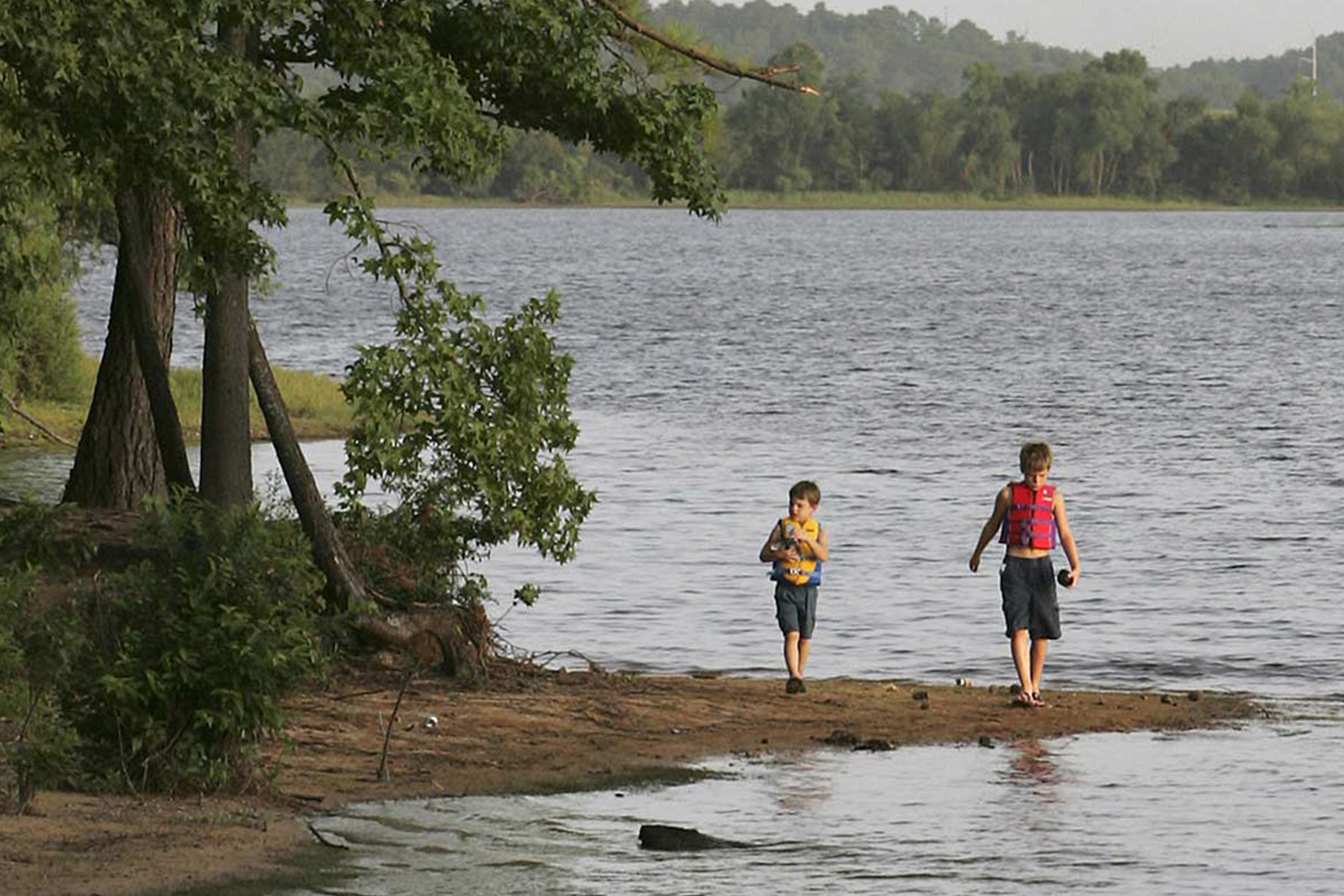
A forest oasis 20 miles southeast of Longview, Martin Creek Lake State Park opened after land along the lake’s shores was donated in 1976. Today, visitors can enjoy fishing, camping, and swimming.
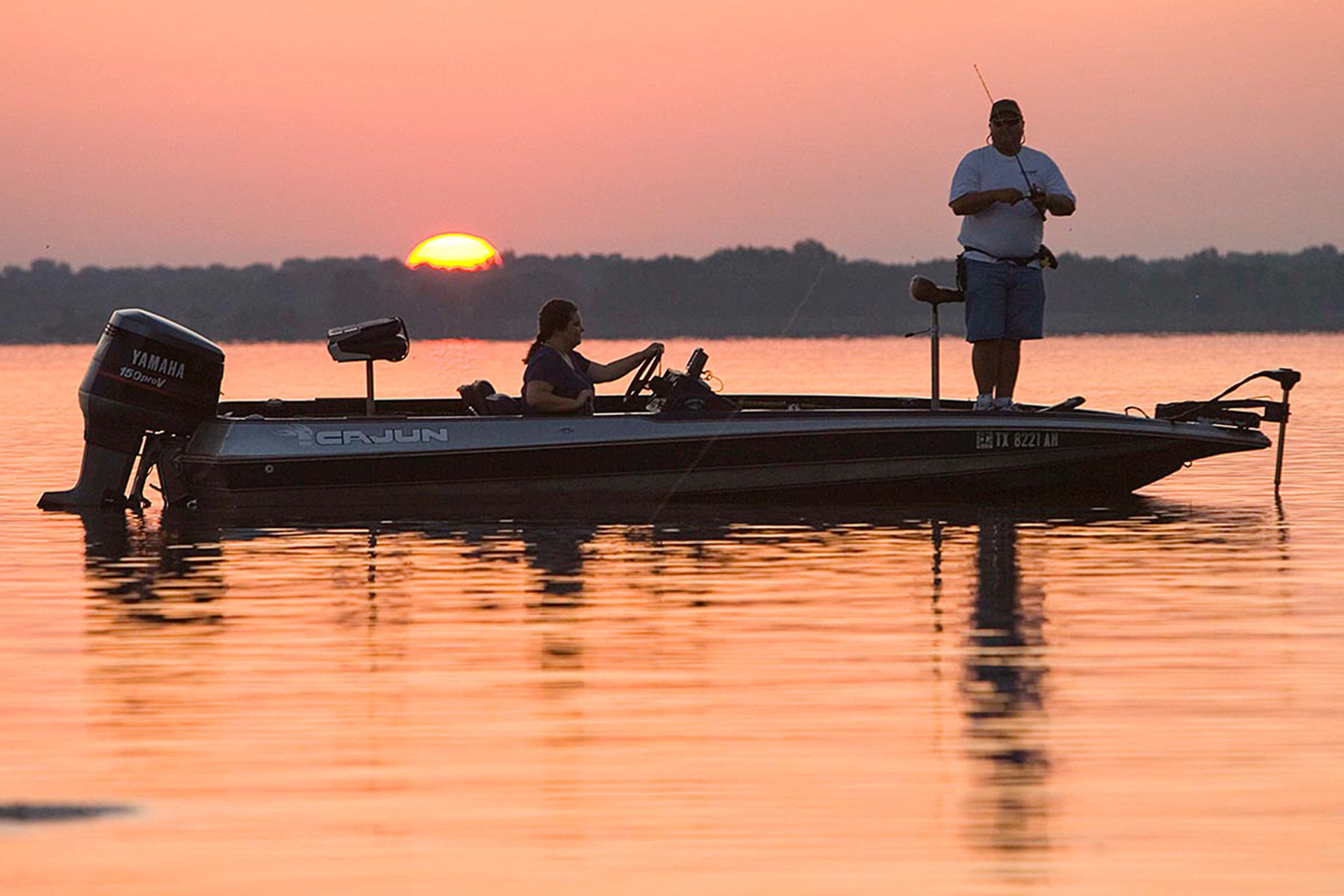
While many visitors to Cooper Lake come in search of plentiful catfish and striped bass, horse lovers will enjoy the park’s extensive network of equestrian trails that cross through 600 acres of forest and through gentle, undulating hillside and challenging creek gulches.
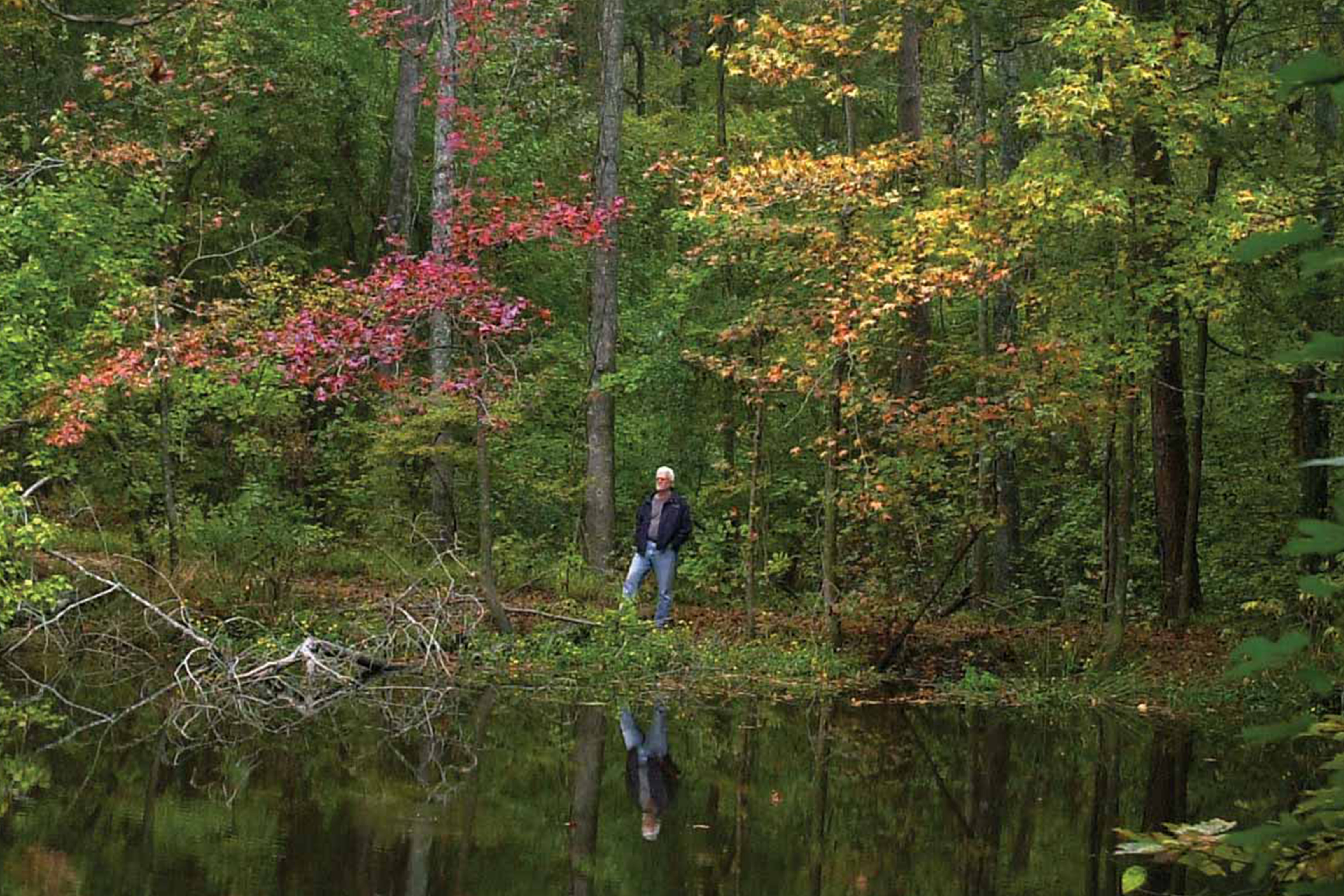
This lakeside park stands near the edge of the Piney Woods and Blackland Prairie ecosystems, creating the Post Oak Savannah — and a unique blend of flora and fauna are a draw for naturalists and botanists. Lake Bob Sandlin State Park offers access to a 9,000-acre lake, which draws swimmers, paddlers, and anglers.
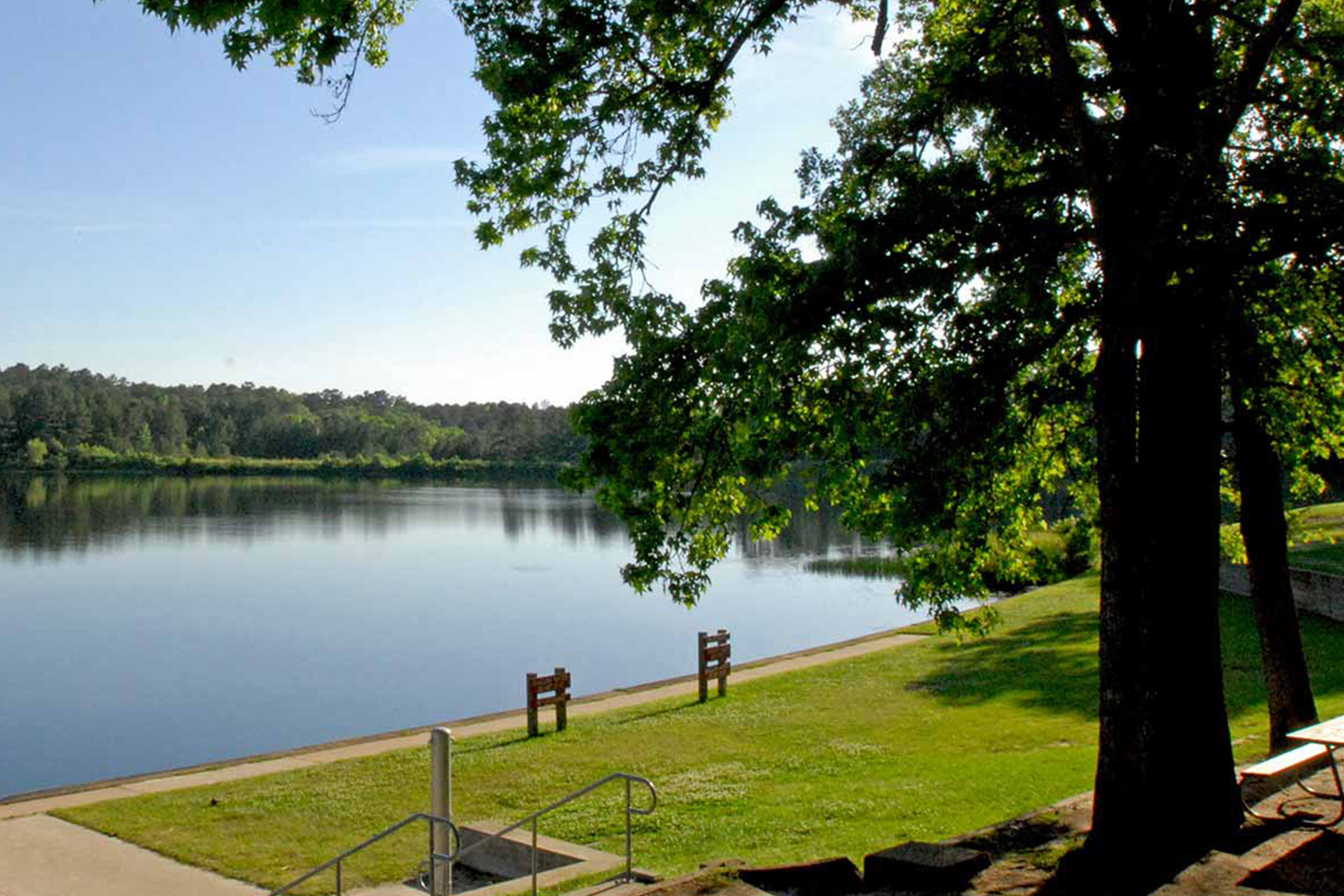
Tyler State Park is tranquil retreat not far from the center of Tyler. It features 100-foot-tall trees, 13 miles of trails, a spring-fed lake, and plenty of space for fishing, camping, biking, and picnicking.
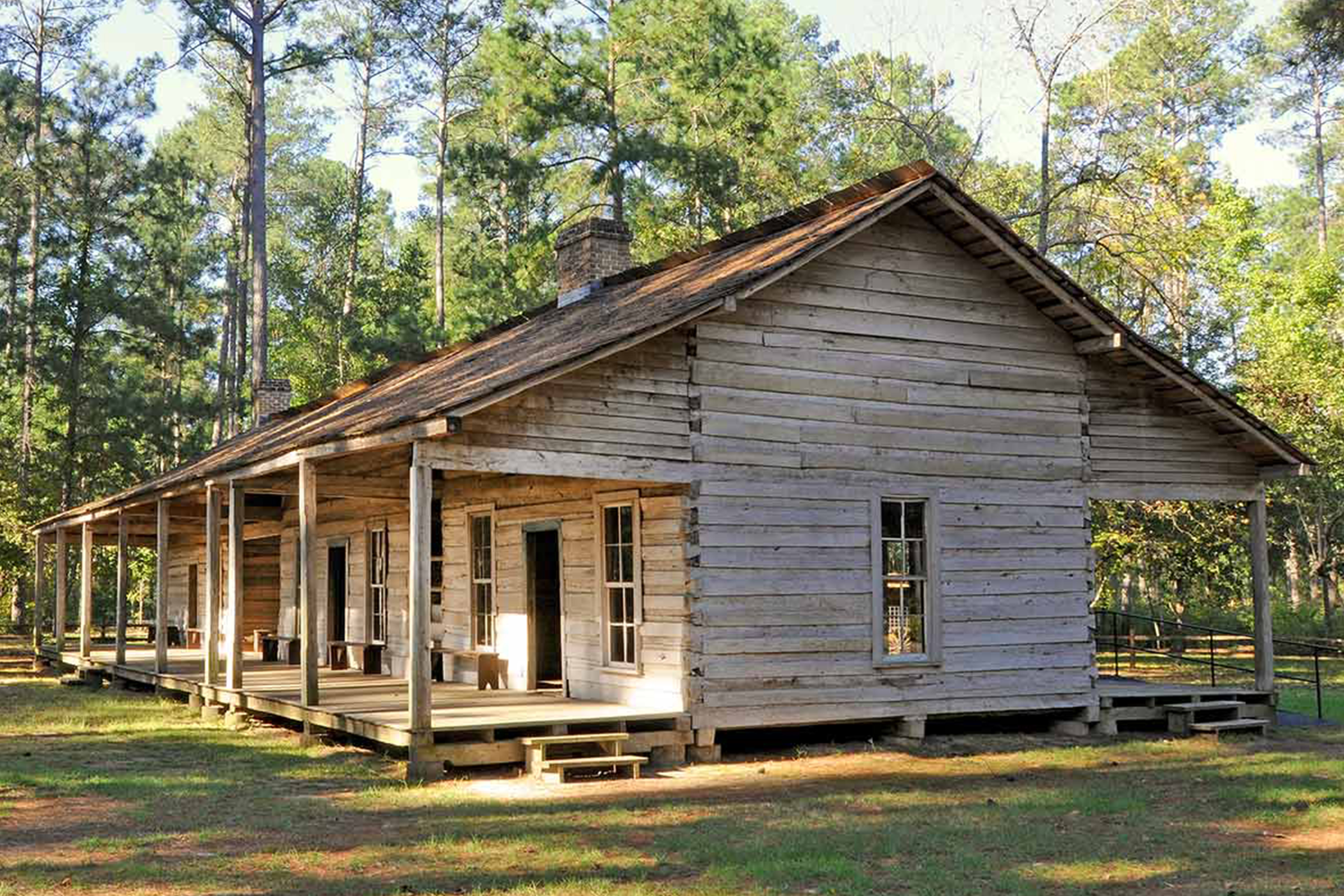
The Spanish efforts to expand their colonial interests into East Texas were short-lived, but you can still find traces of that history at this wooded park that sits in the north end of Davy Crockett National Forest. Mission Tejas State Park contains some of the oldest surviving structures in Houston County and a segment of the El Camino Real de los Tejas. During the Great Depression, the CCC constructed a representation of the original Mission Tejas.
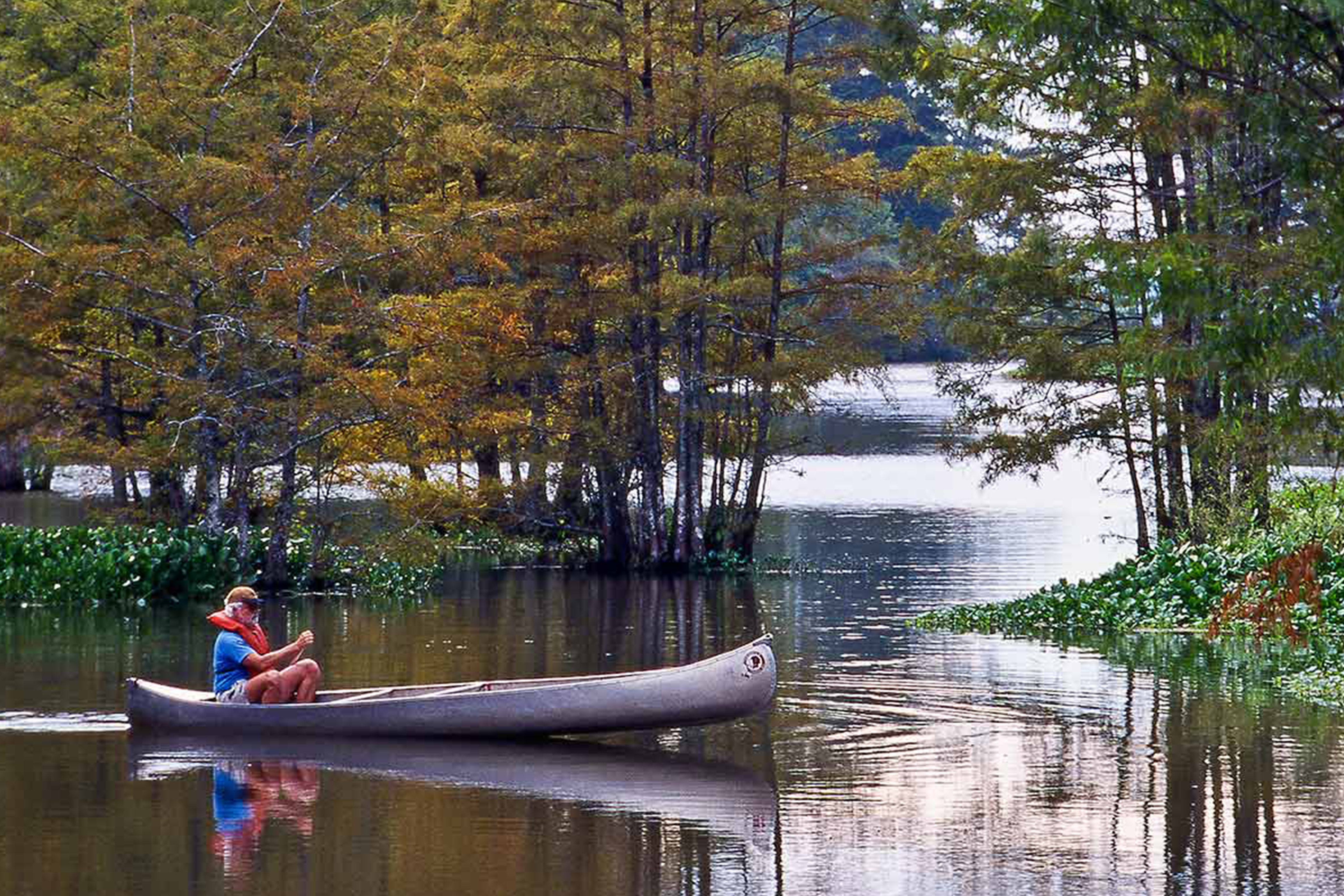
Nestled into the Big Thicket, this park sits at the confluence of the Angelina and Neches rivers, which creates a wild and diverse habitat for a range of land and aquatic critters. At Martin Dies, Jr. State Park, you can enjoy paddling through the waters of the Steinhagen Reservoir, fishing, swimming, camping, or exploring the Nature Center.
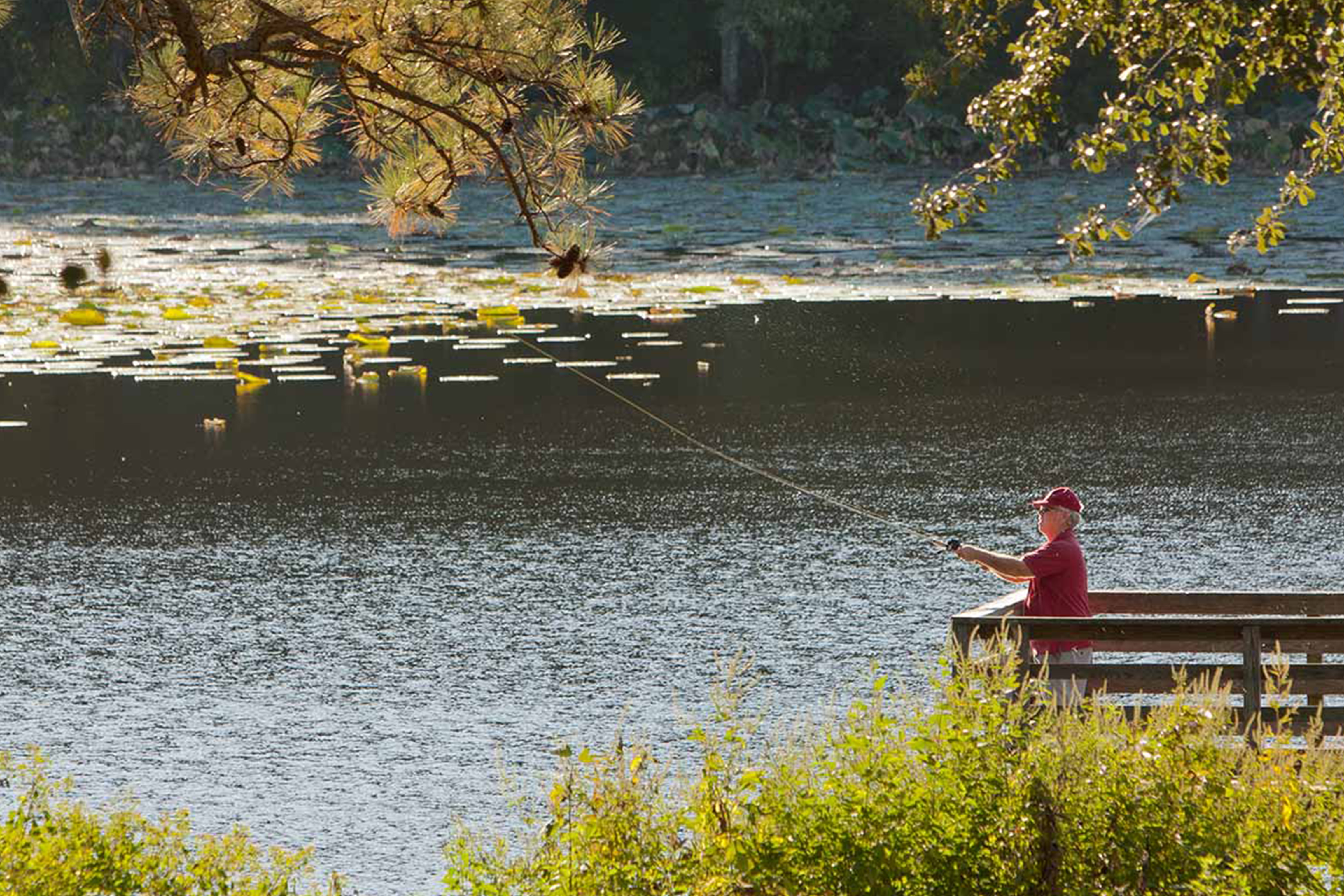
Located in the Sam Houston National Forest, Huntsville State Park sits along Lake Raven, which was first created by the CCC in the 1930s. The shady, wooded escape has a bird blind on Coloneh Trail, a popular spot for birdwatching.
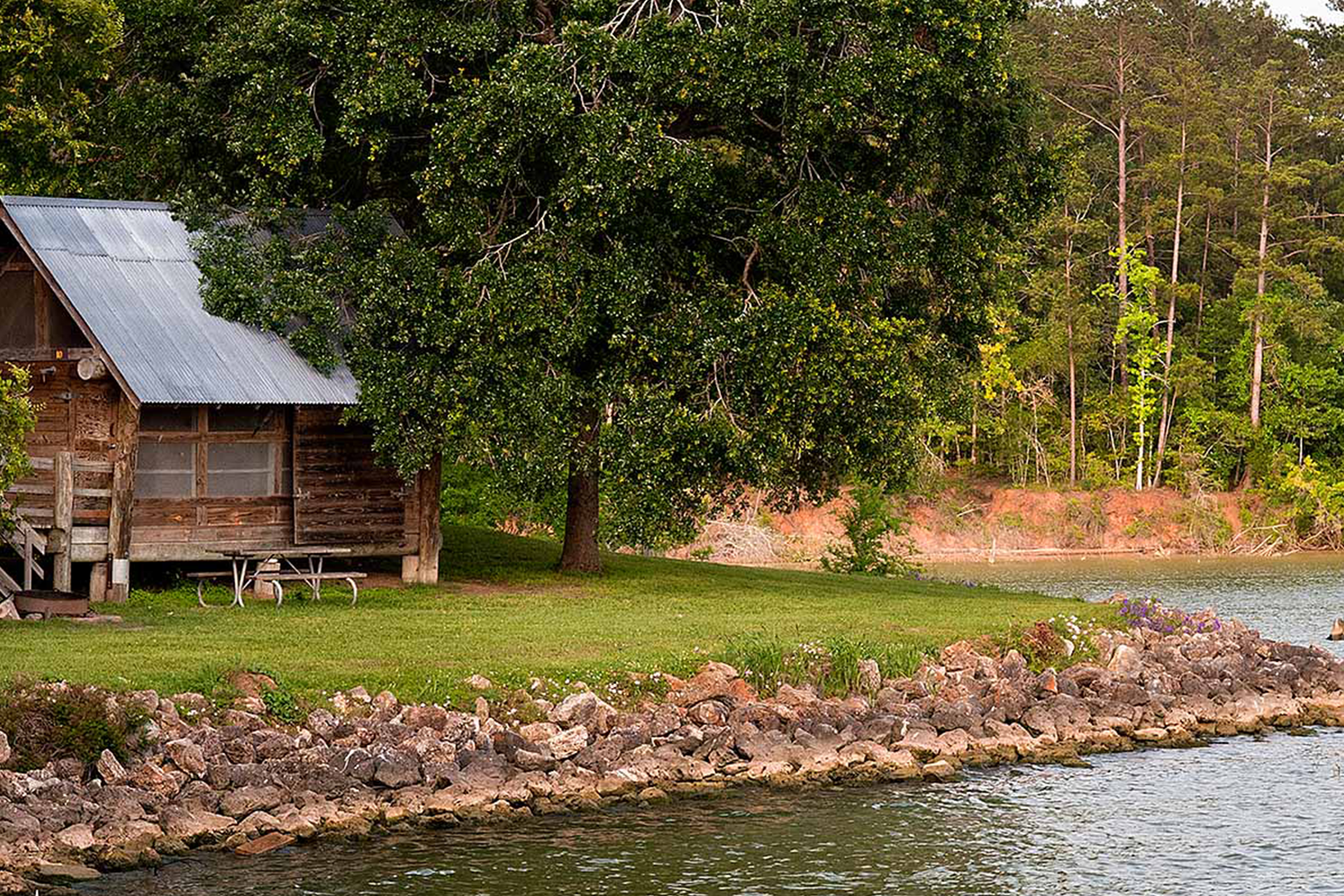
One of the largest lakes contained entirely in the state of Texas, Lake Livingston is an angler’s and boater’s paradise. The lake features plenty of largemouth bass, bluegill, catfish, and crappie — as well as alligators. Watch out!
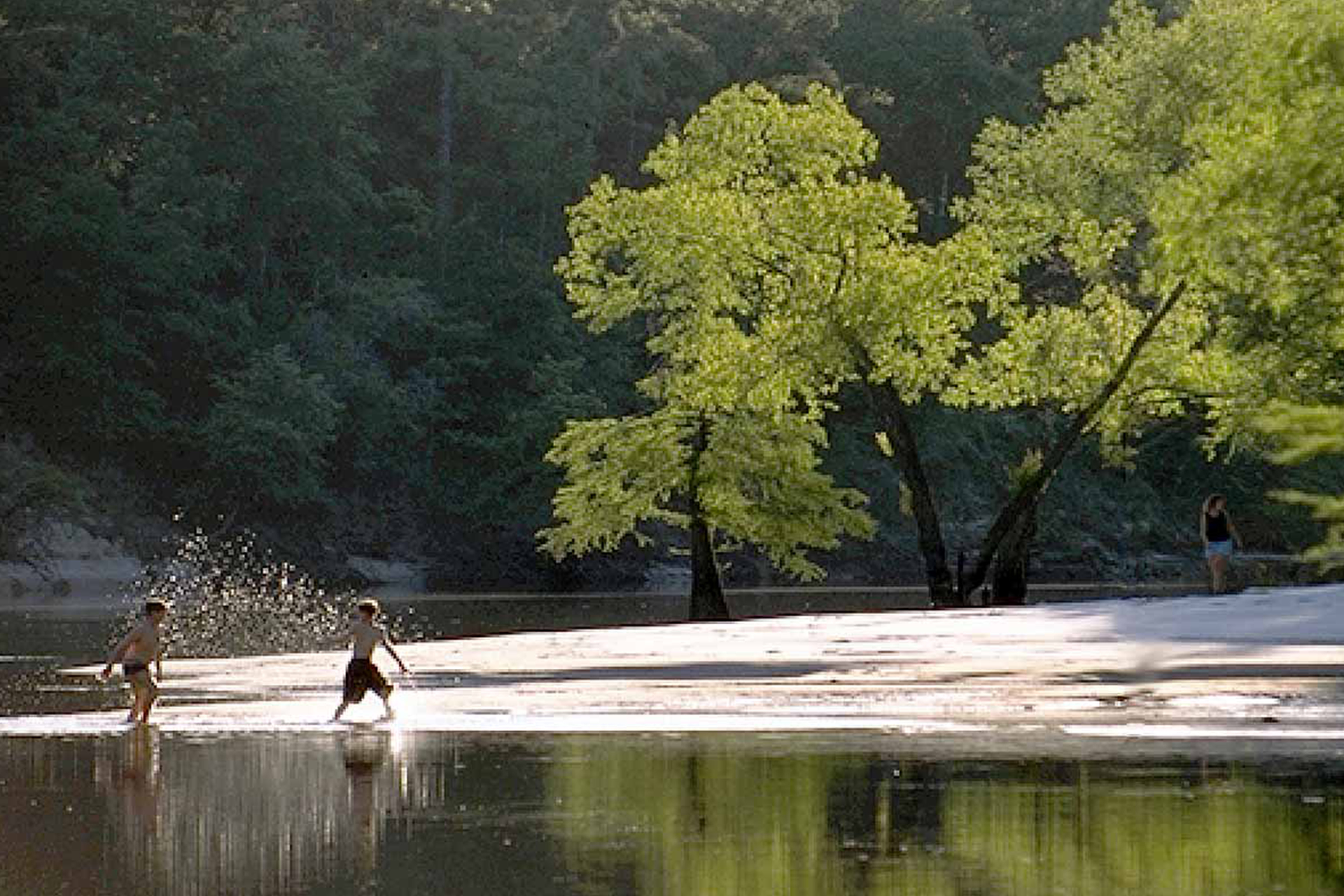
Village Creek is one of Texas’ last free-flowing creeks, and it winds through a pretty section of the Big Thicket near Beaumont. During the warm months, visitors enjoy swimming and fishing in the creek, or picnicking along its edge. There are also plenty of opportunities for hiking, camping, and searching for wildlife, including — yes — alligators.
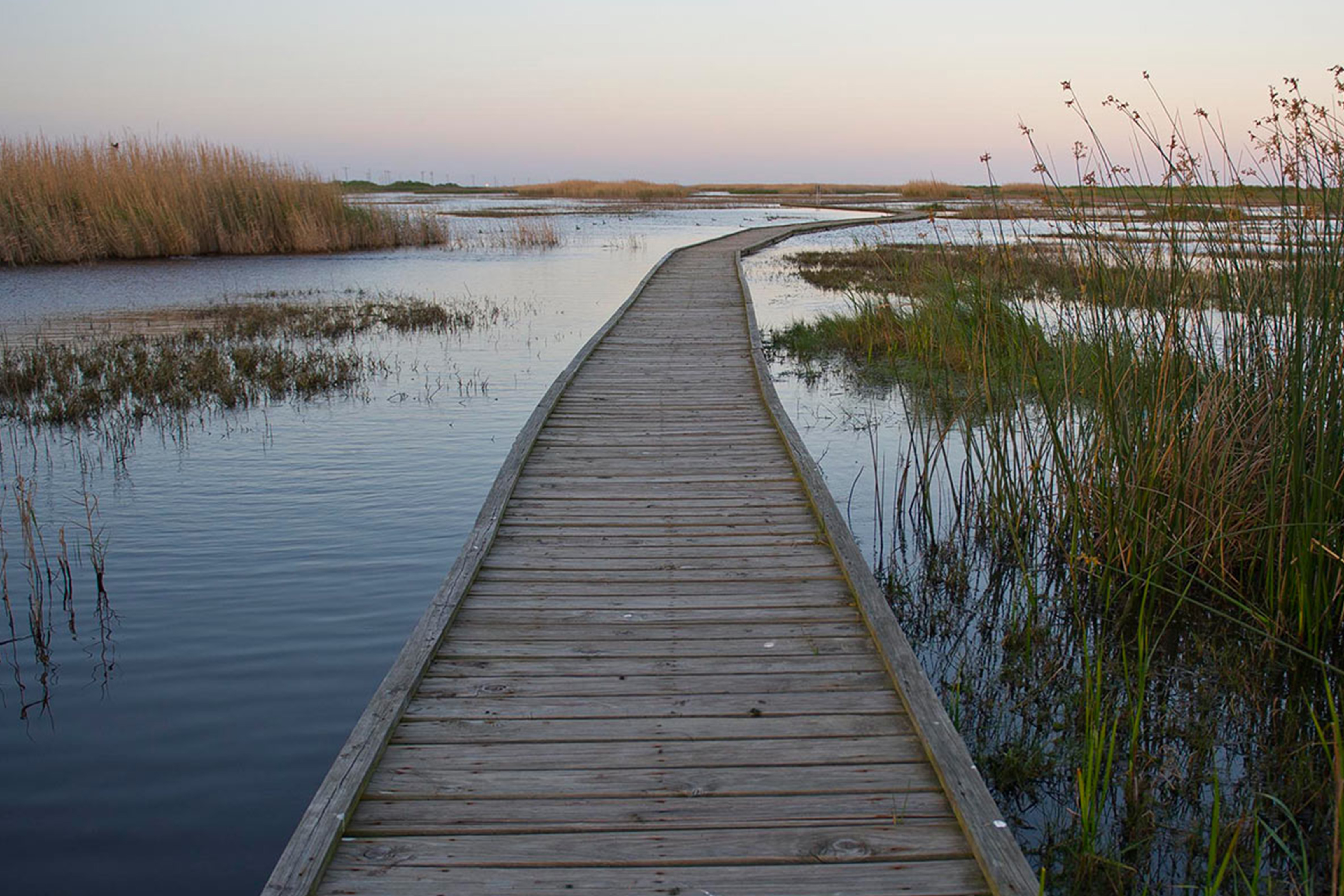
Located in the far southeast corner of the state where East Texas meets the gulf, Sea Rim is one of the most unique, ecologically sensitive, and stunning spots in the state. Containing some 4,000 acres of marshland, Sea Rim State Park is home to top-notch birdwatching, great fishing, and canoeing and kayaking opportunities. Dedicated nature lovers will also enjoy the park’s primitive campsites, which allow visitors to fully immerse themselves in the beauty of this seaside gem.
The state parks of Texas are majestic from border to border. See what parks West Texas has to offer here.
How Texas built a legacy in leather.
The Ultimate Guide to Texas Farmers Market
From large urban districts to quaint local farm stands, Texas has it all when it comes to farmers markets. Here’s our ultimate guide to enjoying the freshest produce — and some of the finest experiences — in the state.

A Guide to the Best Water Park Resorts in Texas
Texas summers are no joke. But you can turn intense heat into outsized fun by cooling off at one of the state’s world-class water parks and resorts.
The Complete Guide to a Texas Road Trip
It’s all about the journey.

How to Make Holiday Candles at Home
Become a candlemaker and things will make scents.
From apple picking to Thanksgiving stressbusters.