
Please sign in as a member or guest below to access it.
Please sign in as a member or guest below to access it.

Barbecue fires are almost always preventable.
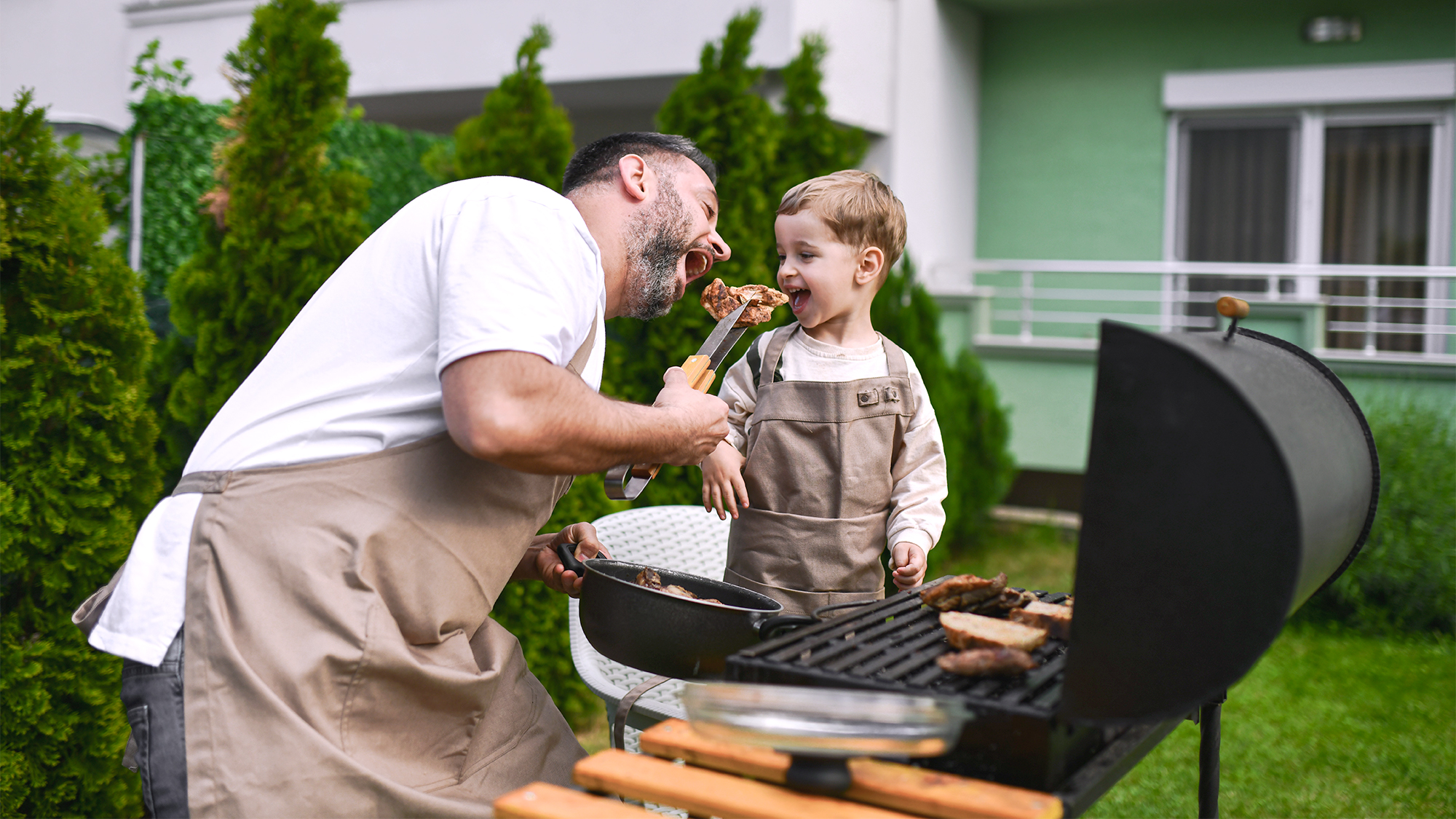
Every year, U.S. fire departments respond to thousands of home fires caused by outdoor barbecues, resulting in millions of dollars in direct property damage. Of course, most of these incidents occur in the summer months when Americans are more likely to fire up the grill. The consequences of grill fires are even more precarious in Texas, where dry weather and open areas are a recipe for igniting wildfires.
The good news is that the cause of grill fires can most often be traced back to user error — specifically, unsafe grill placement and inadequate cleaning. So, before you light up the barbecue this summer, brush up on these simple grill and smoker safety tips.
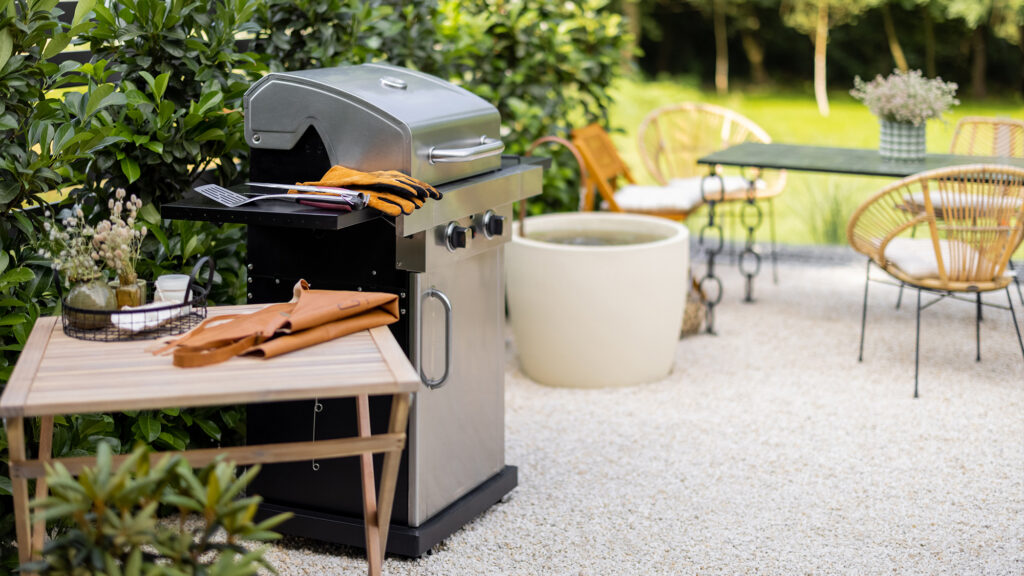
Where you place your grill or smoker matters more than many people realize. According to the National Fire Protection Association (NFPA), grills should be positioned at least 10 feet away from your home and any structures, including deck railings, wooden fences, and overhanging tree branches. This distance helps prevent heat or sparks from igniting nearby materials.
Place your grill on a stable, flat, noncombustible surface, such as concrete, brick, gravel, or dirt. Avoid wooden decks, grass, and areas with flammable debris, such as dead leaves or branches. Never grill in enclosed spaces, such as garages, sheds, or roofed porches.
It’s also important to create a “kid-free and pet-free zone” of at least 3 feet around the grill. This buffer not only protects children and animals from burns but also reduces the risk of accidental bumps that could tip the grill or scatter hot embers.
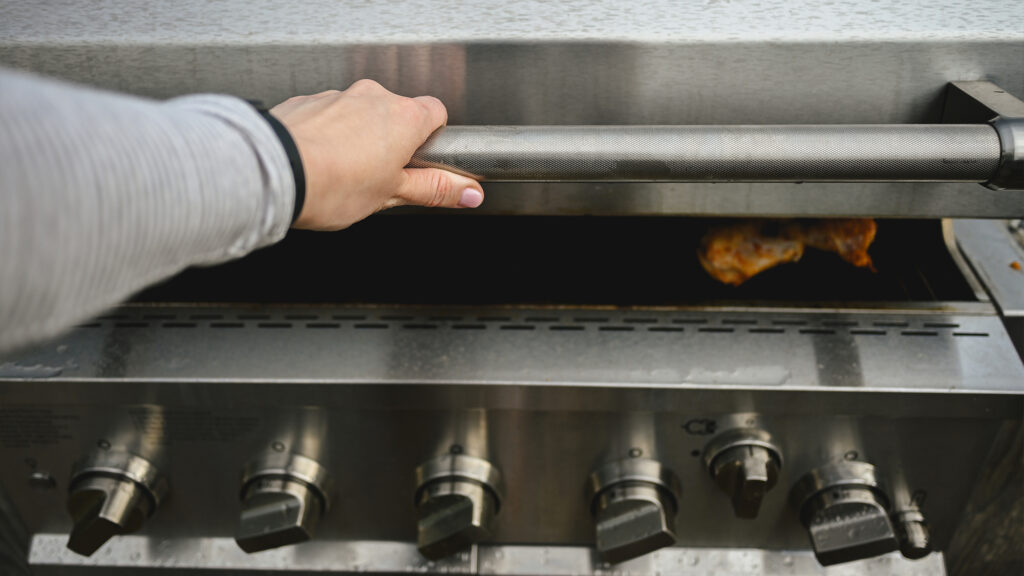
Properly lighting your grill is another critical step in preventing fires, and there are different rules for different types.
In about 80% of home grill fires, the culprit is a gas grill. Always open the lid before igniting to prevent gas buildup, which can cause dangerous flare-ups. Regularly check that the propane tank is properly connected and in good condition, and ensure the igniter battery is functioning. Never use a gas grill in rainy or stormy conditions, especially during lightning, as this increases both fire and safety risks.
For other non-gas grills and smokers, only use approved starters, such as charcoal or wood, and never gasoline or other flammable liquids. Allow coals to fully ash over before cooking. It requires patience during startup, but it’s worth it to prevent sudden bursts of flame.
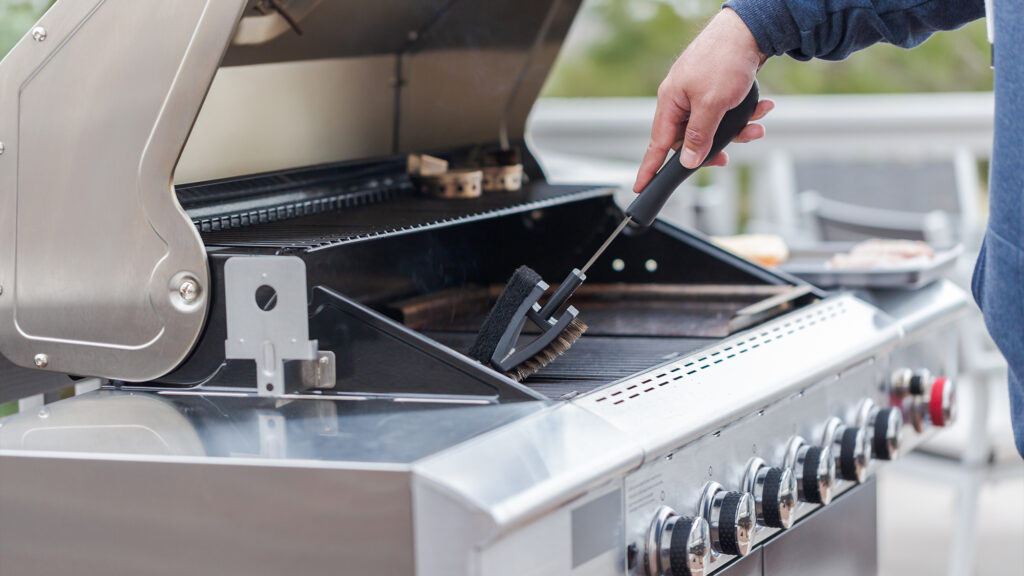
Routine cleaning is one of the most overlooked yet essential safety habits. Grease and fat buildup can quickly ignite, turning a small flame into a full-blown fire. In fact, the NFPA reports that 1 in 5 grill fires involves a grill that hasn’t been properly cleaned. Regularly removing grease from trays, burners, and grates reduces this risk significantly. A quick scrub after each use and a deeper clean every few weeks can make all the difference.
Get our full guide to grill maintenance here.
Stay ahead of the curve with the right coverage.

5 Ways To Keep Your Heart Healthy
Greatly reduce your likelihood of developing heart disease by taking these precautions.

3 Family Emergency Plans to Set in Stone
You can never expect health emergencies or natural disasters — but you can prepare for them.
Get the Dirt on Texas Off-Roading Laws
Forge your own path across Texas.
Spotless living sans commercial cleaners.

Plus, three reasons you might not need one.