Please sign in as a member or guest below to access it.
Please sign in as a member or guest below to access it.

What to do and what not to do.
Texas is famous for its wide-open spaces, beautiful landscapes, and incredible wildlife. From the Pineywoods to the Hill Country to the Gulf Coast, you never know what you might spot while hiking, camping, fishing, or simply exploring the outdoors.
In most cases, wildlife wants nothing to do with humans. But occasionally, you may find yourself a little closer to a wild animal than you’d expect, and knowing how to react can make all the difference. Here’s what to do — and what definitely not to do — if you encounter some of Texas’ wild, and potentially dangerous, animals.
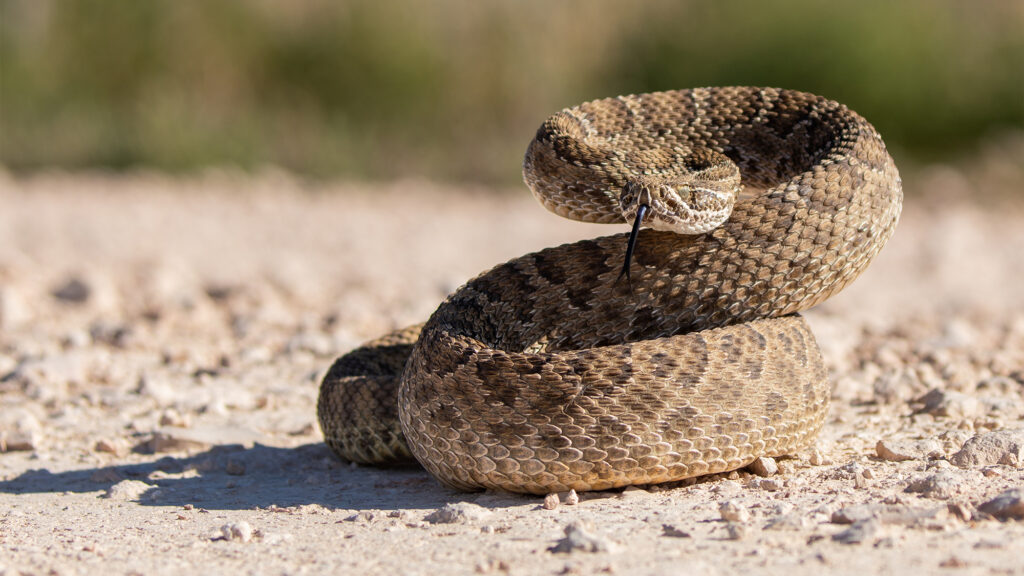
Texas is home to numerous snake species, including copperheads, cottonmouths, and several types of rattlesnakes. So, if you hear that unmistakable rattle or hiss, stop and look around before taking another step. Then, back away slowly and give the snake plenty of room to escape. Never try to pick it up, poke it with a stick, or get closer for a photo. Even a snake that appears dead can potentially bite through a reflex action, so it’s always best to leave it alone.
If you’re bitten by a snake, stay as calm and still as possible and seek emergency medical attention immediately. Do not try to squeeze, suck, or cut out the venom, and never apply a tourniquet. These old-fashioned snakebite remedies can cause serious tissue damage and make the injury worse.
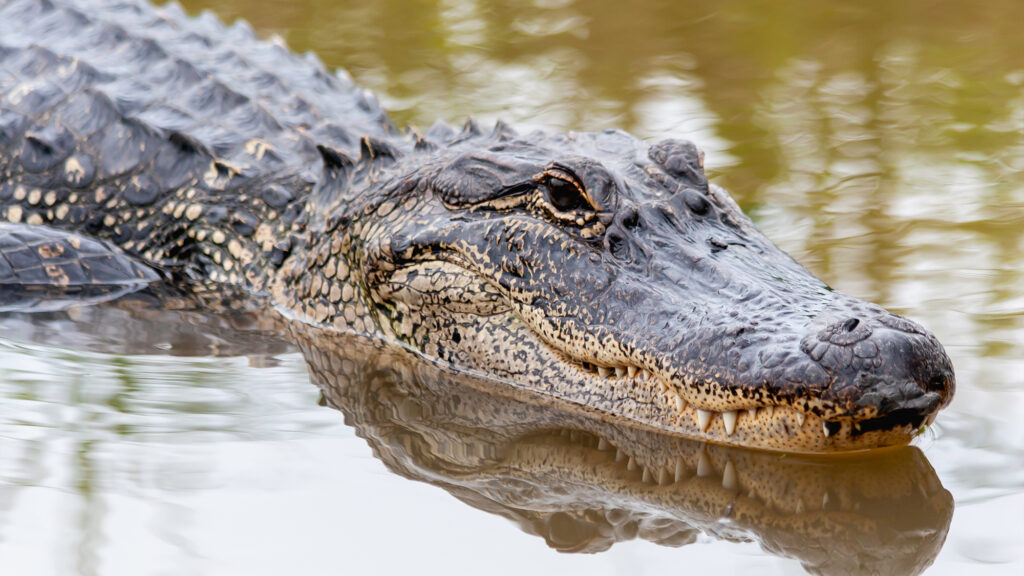
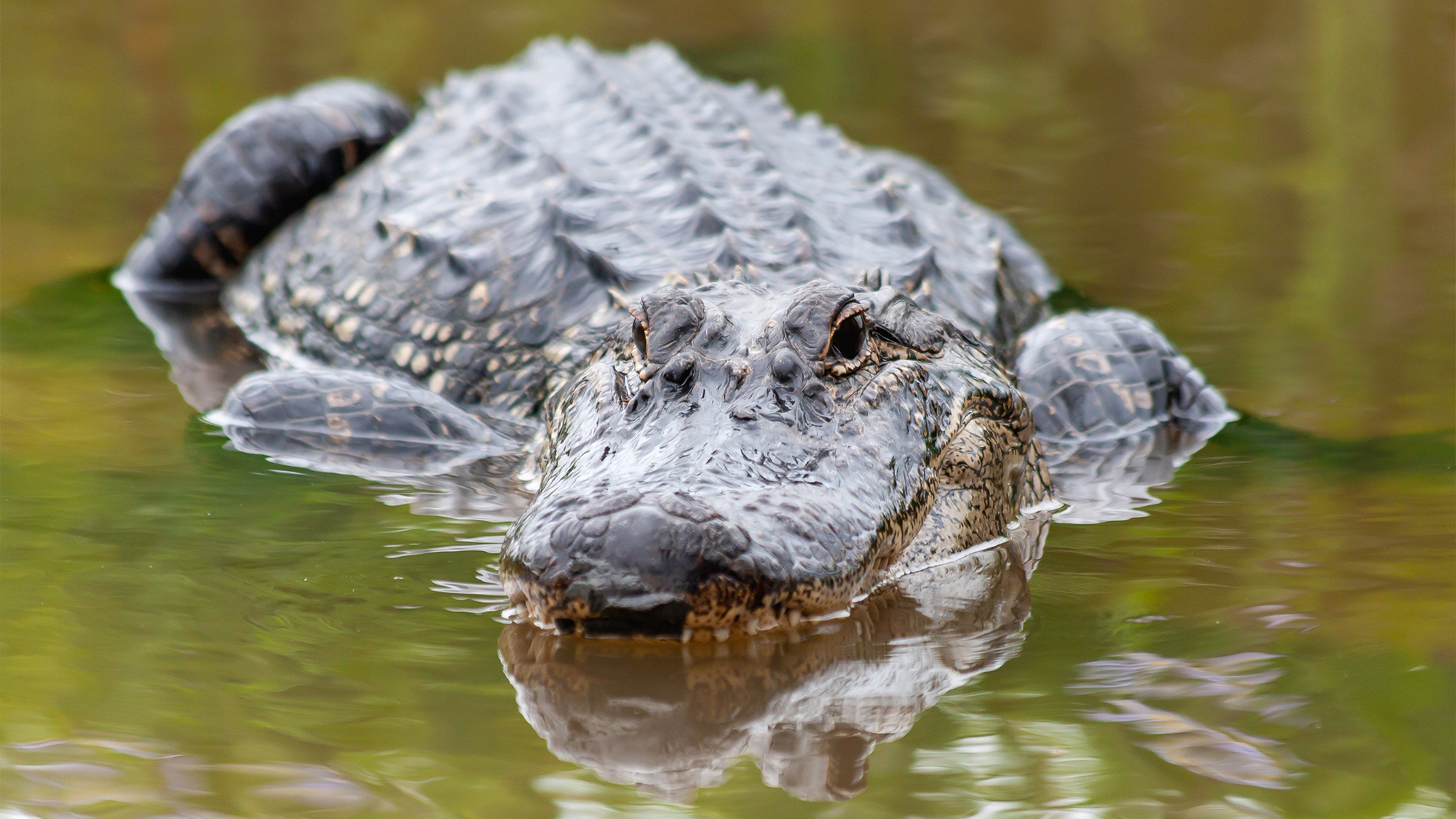
These semiaquatic reptiles are a natural part of many Texas waterways and seeing one can be an unforgettable experience. But it can also become dangerous if you get too close. Keep your distance, especially around the water’s edge, and never, ever feed an alligator. Feeding can cause them to associate people with food, making future encounters more treacherous.
If an alligator approaches you on land, do not run toward it, corner it, or try to scare it away. Instead, calmly move away and put as much distance between yourself and the animal as possible. Keep the alligator in sight as you retreat and avoid turning your back on it or getting between the animal and the water.
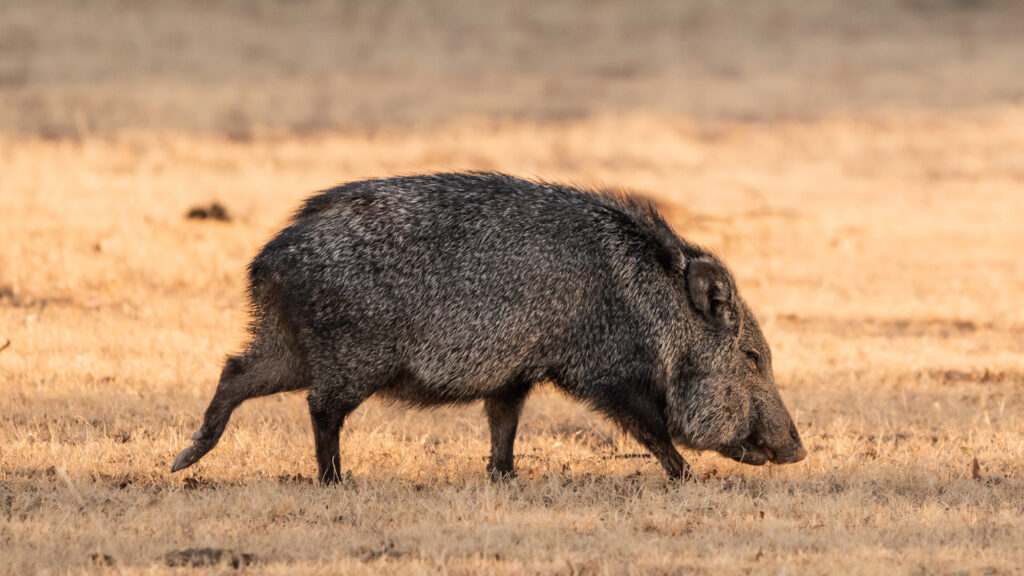
They may look like oversized pigs, but wild hogs are powerful, unpredictable animals. They can also become particularly aggressive if they feel cornered or threatened, especially when protecting their young.
If you encounter a feral hog, do not approach it, chase it, or attempt to scare it away. Give it a clear path to leave and slowly back away without making sudden movements. If you’re hiking with a dog, keep it on a leash and under control. Dogs can provoke or pursue wild hogs, potentially turning a brief encounter into a dangerous confrontation.
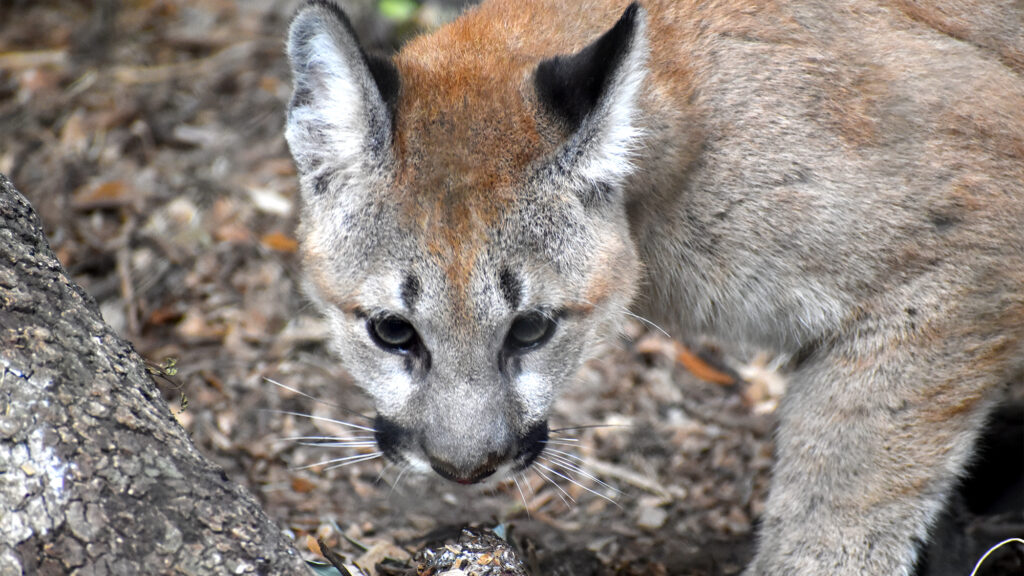
Mountain lion sightings are relatively uncommon but knowing what to do is still important. If you spot one, don’t run. Running can trigger a chase response and make you appear more like prey.
Instead, face the animal, make yourself appear larger, and back away slowly. If the mountain lion continues approaching, make noise, raise your arms to appear threatening, and throw nearby stones or branches to discourage predatory behavior.
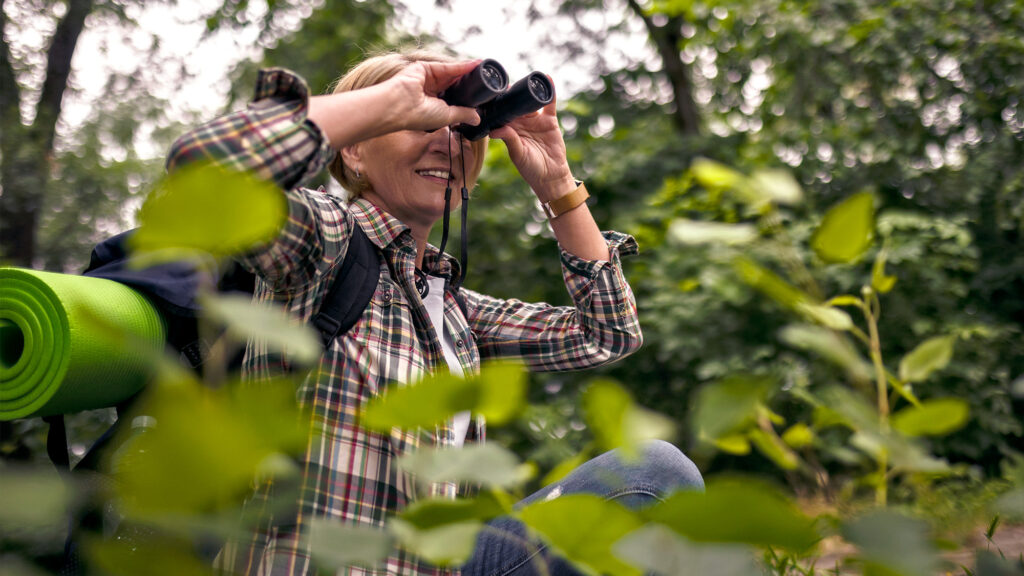
Whether you’re facing a snake, alligator, wild hog, mountain lion, or another wild animal, the same basic principle applies: Give wildlife plenty of space. Never feed wild animals, attempt to touch them, block their escape routes, or approach babies. Remember that even animals that appear calm can react unpredictably when they feel threatened.
The safest — and often most rewarding — way to experience wildlife is from a respectful distance. Take your photos, enjoy the moment, and let wild animals remain exactly what they are … wild. Explore thousands of acres of Texas that have been set aside for wildlife at these nine national sanctuaries.
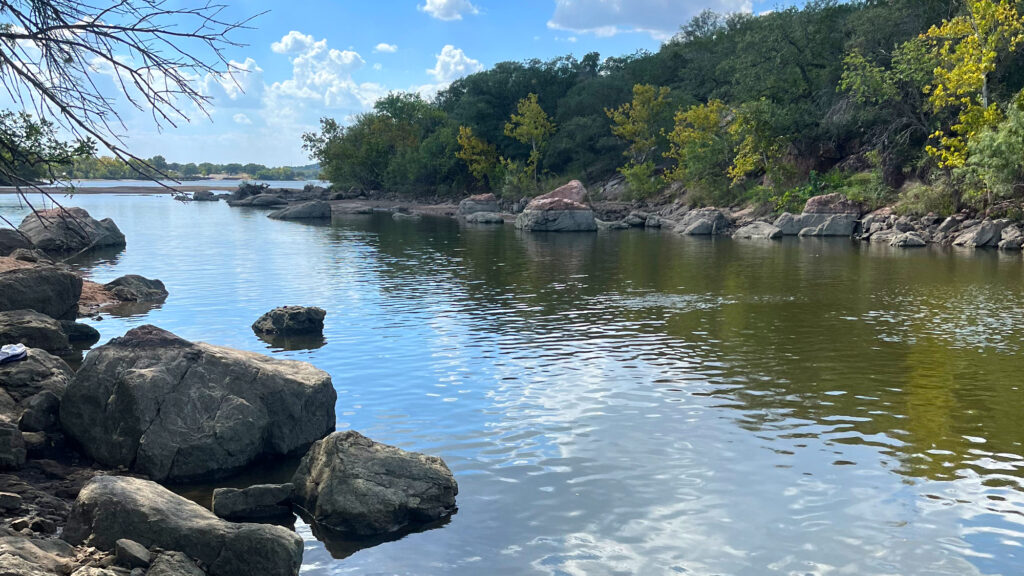
Discover unpaddled waters in each region of Texas.
Share a bit of holiday spirit with these homemade gifts for everyone in your life.
Creative Care Packages to Send Your College Kid
Whether they're homesick freshmen or seasoned seniors, all students love getting goodies from home.
Noodling for Catfish in Texas’ Lakes
Noodling for catfish was illegal in Texas until former Gov. Rick Perry signed a bill permitting it in 2011.
Essential Texas Beach Safety Tips
Keep your summer safe and sunny with these helpful beach safety reminders.
Texas Travel Guide: South Texas City Spotlights
The ultimate roundup of towns in South Texas.