Please sign in as a member or guest below to access it.
Please sign in as a member or guest below to access it.

From pools to critters — and everything in between — avoid these liabilities lurking in your backyard.
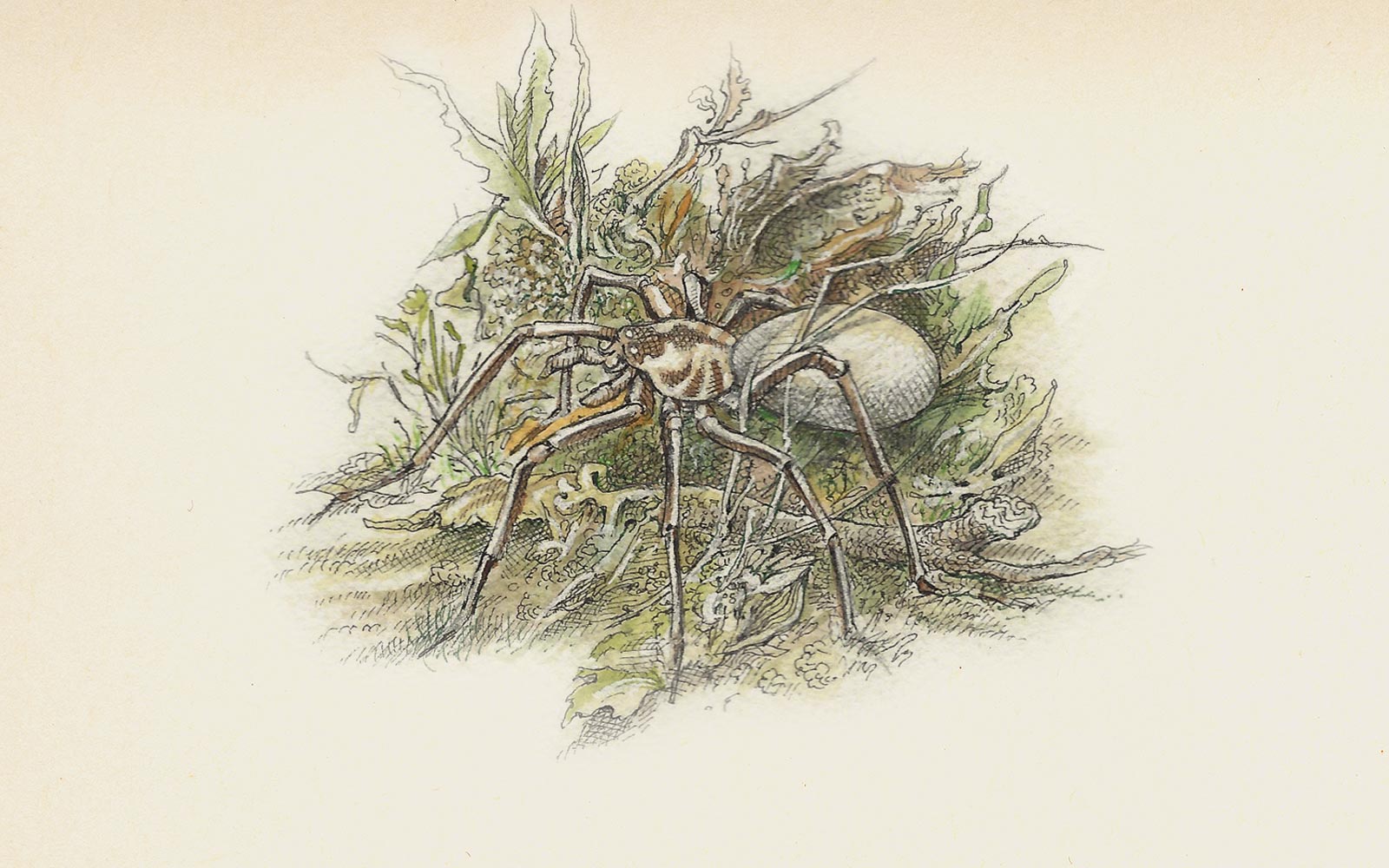
What do you get when you cross an urban wildlife biologist and a snake? If you’re Texas Parks & Wildlife Department urban wildlife biologist Kelly Simon — the answer is no joke. One day, as Simon was tending to her garden, this animal lover jolted at the sight of a serpent of some sort caught in the netting meant to protect her tomatoes from the birds. The writhing snake turned out to be a hognose snake. Harmless. But what if it had been venomous?
The incident is an example of the surprise dangers that can lurk in unexpected places during the heat of the summer. “I Googled it later and discovered many people had reported finding lizards, birds, and snakes in that kind of protective netting, and it can kill the animals, too,” she says. “It’s a real problem.” Simon has since found other alternatives for preventing birds from pecking at her tomatoes.
All sorts of unexpected risk factors come with the supposedly carefree days of summer. Here’s a look at some of the places where they might be lurking, so you won’t be surprised like Kelly.
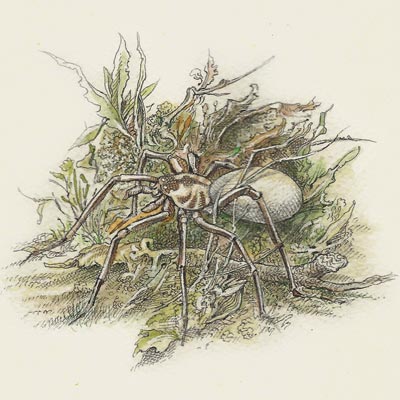
Avoid unwelcome encounters with spiders, snakes, and other creepy-crawlies by handling any brush piles on your property correctly. Beneficial brush piles have their place, but it’s not in the backyard. You don’t want to make a cozy nest of stacked debris near your house, which could attract mice and, in turn, larger animals and snakes.
If you do have a scrap wood pile or collected brush on your property and need to work with it, Simon recommends that you use a fire poker to move debris, rather than your hand. “Dislodge it, roll it, and then pick it up,” Simon says. You never know what may be hiding underneath.
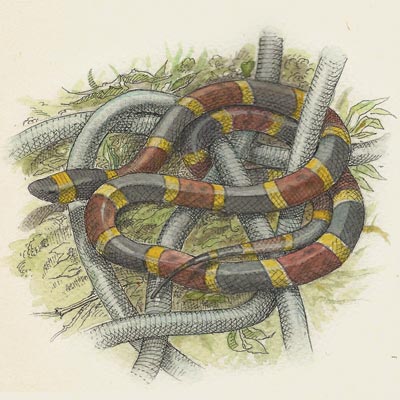
Texas Parks & Wildlife Department spokesperson Tom Harvey notes that whether on ranchland or in the city, animals may turn up near your home looking for water — and drought conditions just make the problem worse. Simon adds that leaky spigots at your house can attract critters you’d rather see relegated to the woods. On larger tracts of land, she notes, it may help to fill ponds or other water sources away from the house, so animals have an alternative other than your garden hose.
After playground equipment bakes in the Texas sun, your little one could suffer thermal burns, warns the Consumer Product Safety Commission (CPSC). Yes, manufacturers have moved on from metal materials, but CPSC notes that plastic and other materials also can become hot enough to pose a danger. Check equipment before kids use it, and should your child suffer a burn, notify the playground operator and report the incident to the CPSC online or by phone at 800.638.2772.
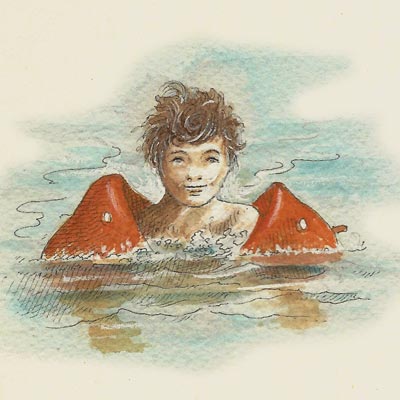
Pool-loving Texans know the inherent dangers of horseplay and diving into shallow waters. But Mom and Dad may consider swim rings or floaties as workable flotation devices. They’re not. They’re toys, warn pool safety experts. Floaties and swim rings can’t be relied on to keep your child’s head above water, so always stay within arm’s length.
The U.S. Coast Guard approves life vests and other devices that prevent submersion, so look for its stamp of approval on any personal flotation devices (PFDs) that you purchase. The Coast Guard warns that since kids come in all shapes and sizes, parents should test approved flotation devices in the pool with their children to make sure they are sufficient before the kids use them on a dock or in a boat.
You know mosquito repellent is a no-brainer, but do you know how to protect against ticks, which can cause Lyme disease, and chiggers? Simon says that chiggers will attach themselves to you from the ankles up, so cover up. Tuck your pant legs into your socks or wrap rubber bands around the outside of the sock to keep the critters out. Ticks will affect you from the top down, so check your hair, the nape of your neck, and the folds in your skin, where ticks may burrow (ick!).

These innocent-looking creatures actually can pose a threat in rural areas and even in cities, where deer encroach on neighborhoods. “They’re not Bambi,” Simon says, adding that in summertime, a doe will fiercely protect her fawn with furious stomping. She warns that deer hooves are “razor sharp.” Don’t approach deer or feed them — ever. “Instead wave arms, yell, shoo them away,” Simon says. “If you love wildlife, you do not want them to ever feel comfortable around humans. [Too much familiarity] doesn’t usually turn out well for them or for us.”
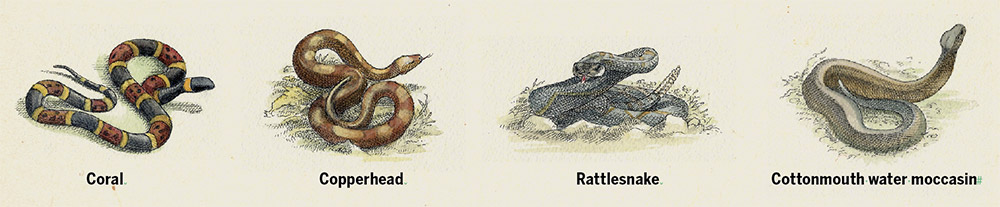
Stay on the lookout for hidden heat dangers to stay safe this summer.
Illustrations by Laszlo Kubinyi

How to Help Elderly Relatives Transition from Driving
While maintaining their independence.

The Texas Driver’s Summer Road Safety Guide
Don’t let your car get too hot to handle.
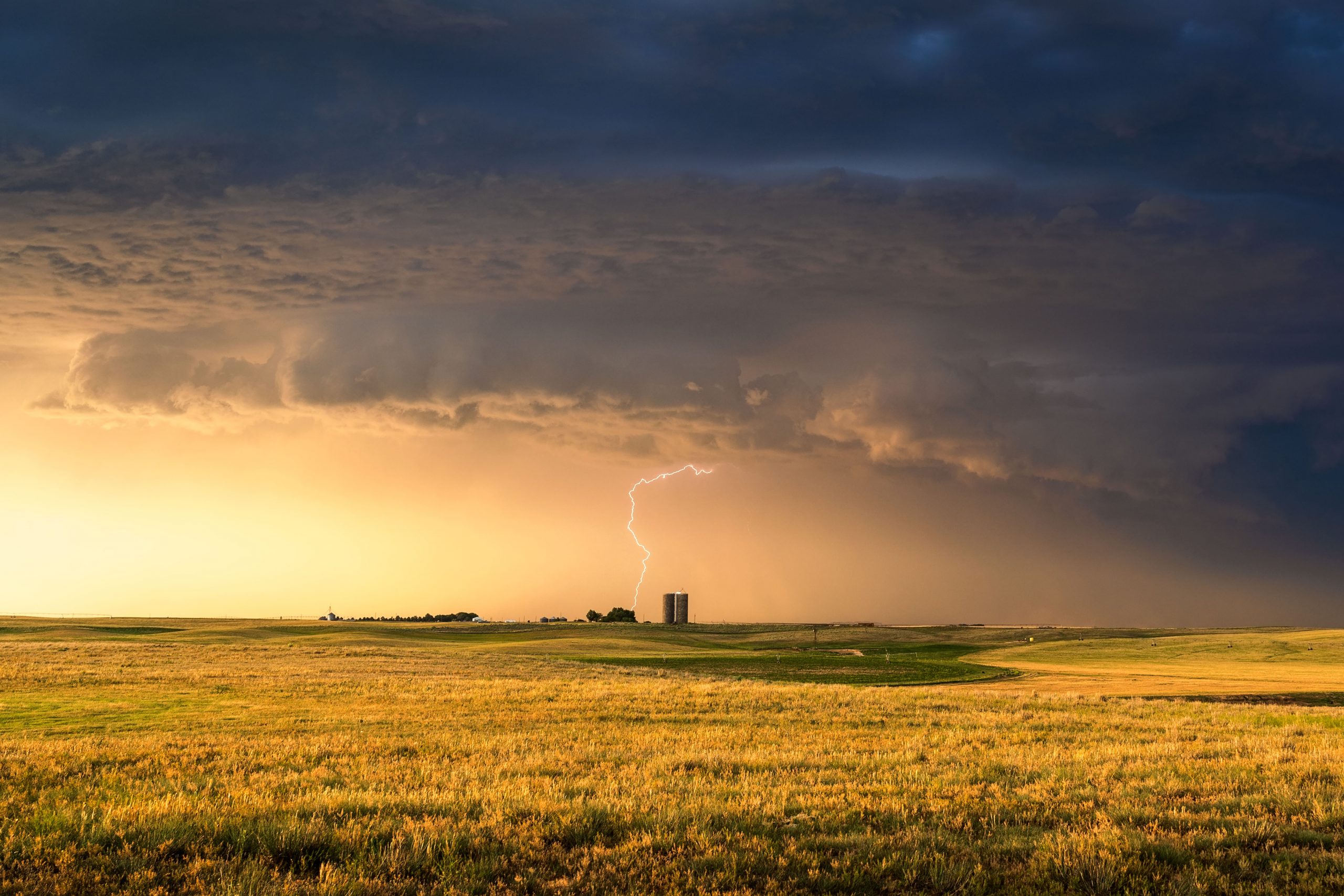
Weather Center: The Ultimate Texas Weather Roundup
Rain or shine, snowstorm or heatwave, twister or quake—here’s everything you need to know about surviving Texas weather.
Mercury Rising: Are you Safe from the Texas Heat?
Texas' summer sun sends temperatures soaring — are your loved ones protected?
The Texas Cookout Safety Guide
Even the most seasoned grill master can use a review of some easy safety tips that will help you maintain and manage your summer cookout.
Stay safe driving in winter weather.