Please sign in as a member or guest below to access it.
Please sign in as a member or guest below to access it.

Skip the parade and firework show crowds and visit the places where Texas history happened.
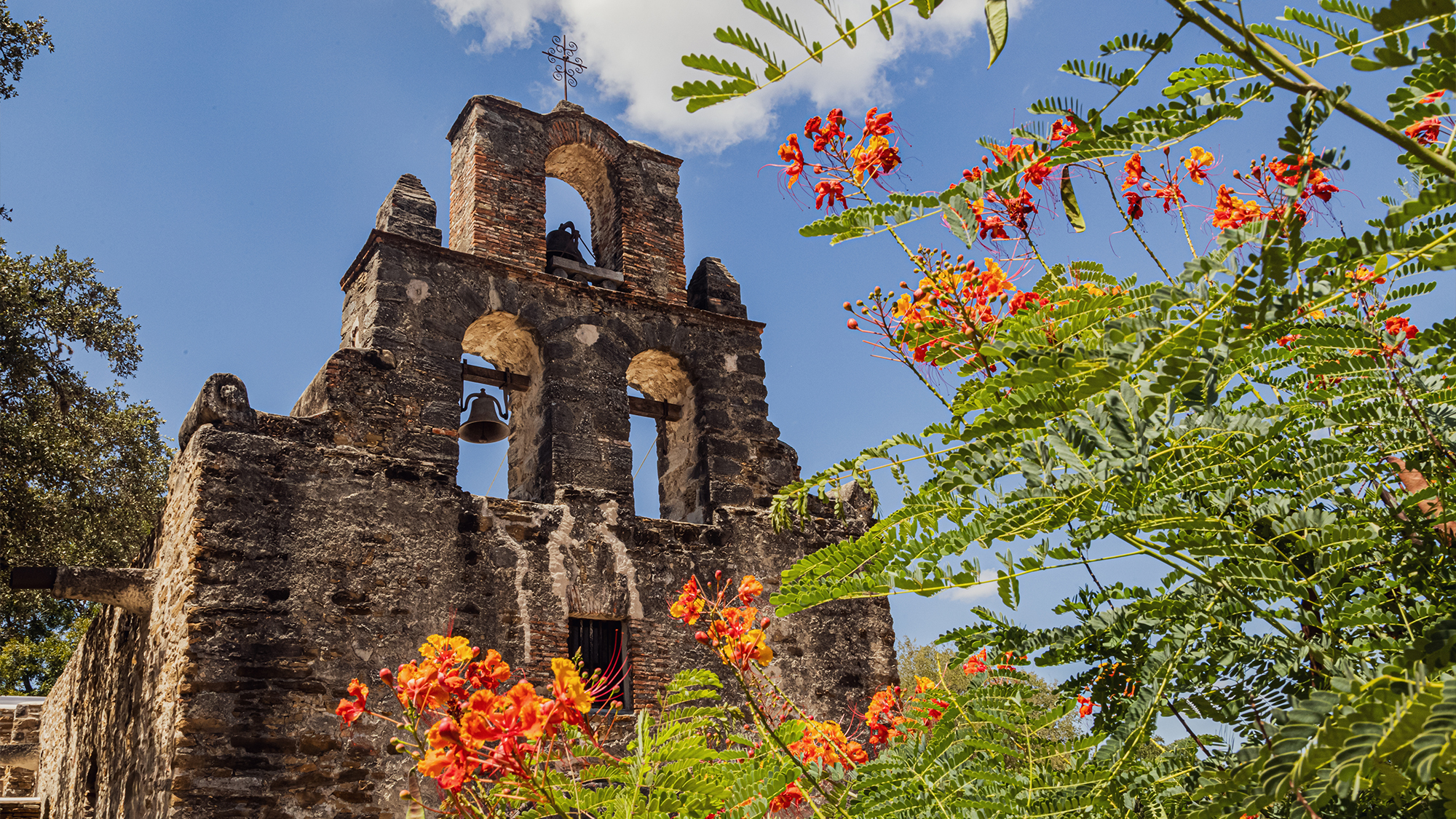
This Independence Day, skip the parade and firework show crowds and visit the places where Texas history happened instead. Even if there isn’t a specific Fourth of July event on-site, these landmarks are great places to honor the nation’s founding and Texas’ role in the broader story of the United States.
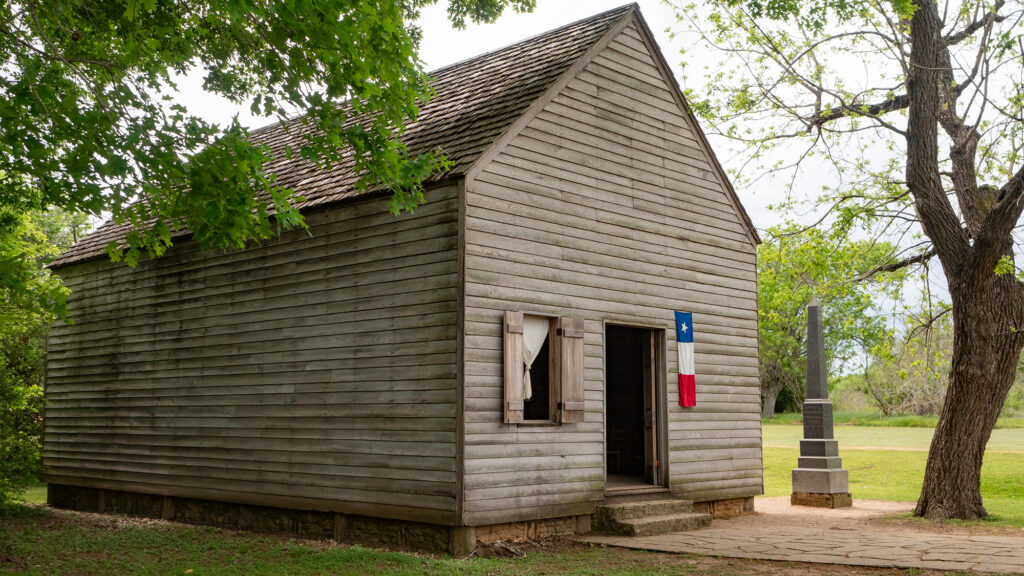
Located one hour northwest of Houston, Washington on the Brazos — ”the birthplace of Texas” — is a beautiful 293-acre park with multiple historical sites to visit, including:
The Barrington Living History Farm is a cotton farm that was once the home of Anson Jones, the last president of the Republic of Texas. Learn more about the days when Texas was a sovereign nation from docents in period clothes.
Independence Hall is a replica of the original building where the Texas Declaration of Independence was drafted and signed in 1836.
The Star of the Republic Museum chronicles Texas’s years as a sovereign nation with a short film and educational exhibits.
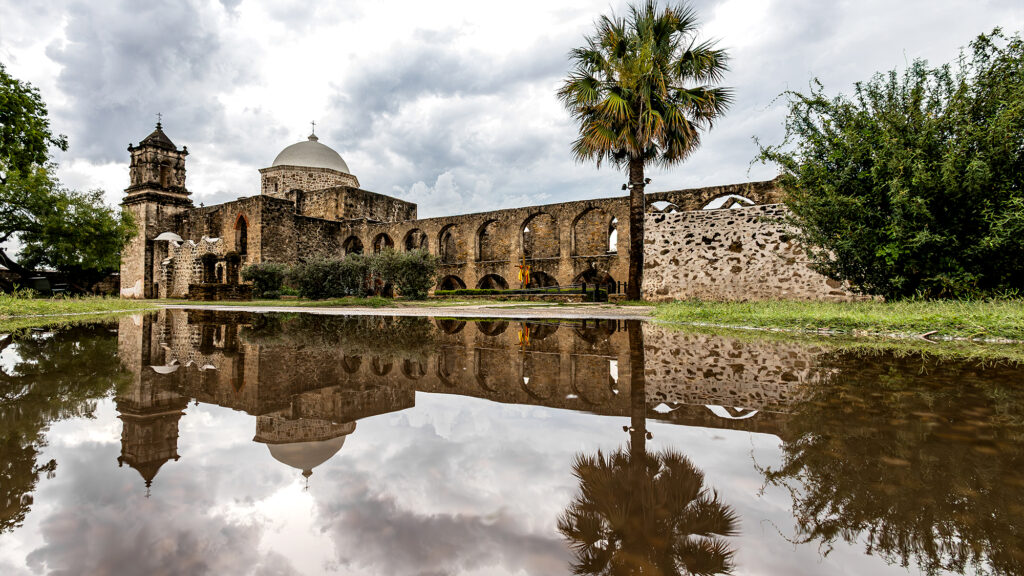
Everyone knows about the Alamo, but the other San Antonio Missions — Concepción, San José, San Juan, and Espada — deserve a visit as well. Take free guided tours through one of Texas’s first UNESCO World Heritage Sites and admire beautiful details, including arched walkways, preserved frescoes, and ornate artwork. Mission Concepción is one of the country’s oldest, largely unrestored stone churches; Mission San José, “the Queen of the Missions,” is the largest and most spectacular of the five. The Espada aqueduct, built in the 1740s by Franciscan and Indigenous people, is still functional. All the missions except the Alamo are still used as churches, so be mindful if services are being held.
Named after the trail blazed by Cherokee trader and merchant Jesse Chisholm, the Chisholm Trail Museum in Cleburne is an engaging glimpse of life in the Southwest in the 1800s. Watch a blacksmith demonstrate traditional forging techniques (and even buy a piece to take home); explore the replica cemetery, saloon, school, mule barn, and jail; visit the Big Bear Native American Museum, a beautifully curated collection of Indigenous artifacts; and snap a photo by the life-size cattle drive silhouettes. Well-behaved, leashed dogs are welcome too.
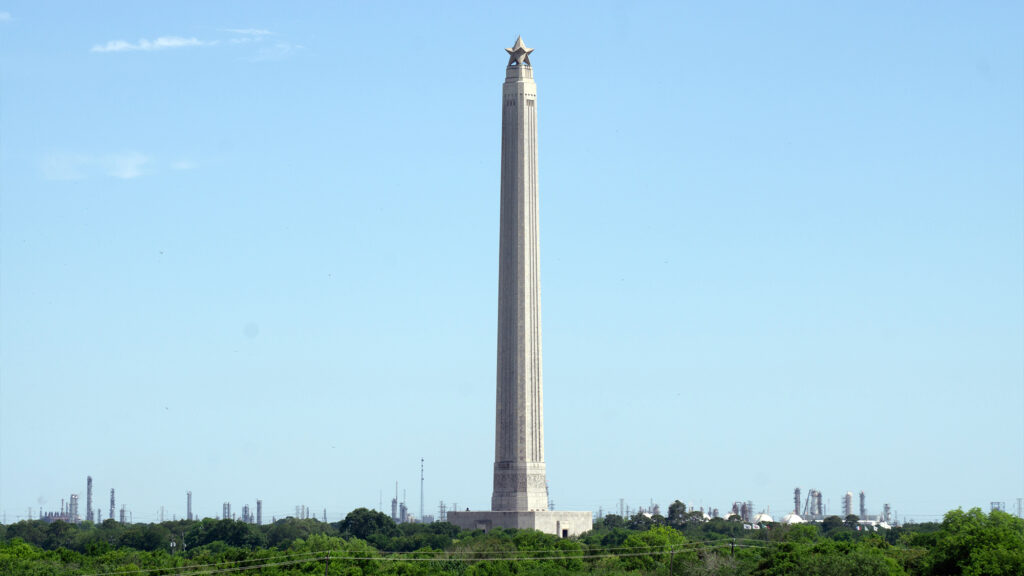
Designed specifically to exceed the Washington Monument in height, this shell-stone tower memorializing the heroes who fought for Texas independence is the tallest war memorial in the world. Explore the museum inside the base to see weapons, documents, and other artifacts from the Texas Revolution, as well as a must-see 35-minute documentary. Take an elevator up to the observation deck for a bird’s-eye view of the battlefield, or enjoy it up close with grills, picnic tables, and walking paths around the reflecting pool. The base is a work of art in its own right, with eight friezes and text telling the story of Texas independence. Wrap up with a self-guided driving tour of the historical markers.
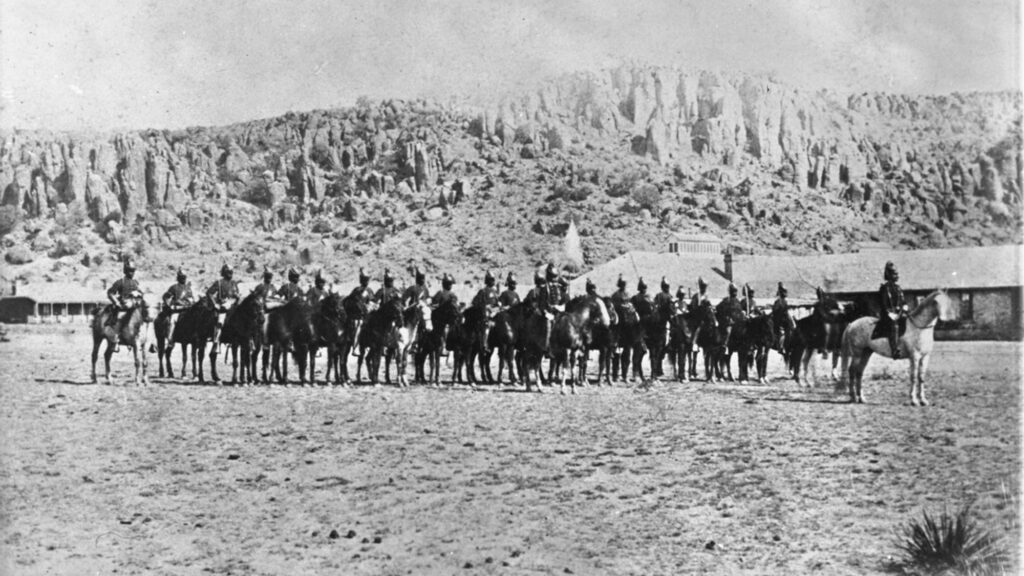
During the Indian Wars of the mid-to-late 1800s, Fort Davis served as a frontier military post to protect mail coaches, settlers, freight wagons, and travelers. Five buildings, including a hospital, barracks, and officers’ quarters, have been restored to historical accuracy. You can also wander the ruins, which are set against a spectacular desert backdrop of steep canyon walls. It feels like a step back in history; at scheduled times, you’ll hear a bugle call or an audio recreation of an 1875 dress retreat parade. Guides in period clothing walk you through a day in the life of the soldiers stationed there.
The grounds are easy to walk, but anyone looking for a bit more should check out the hiking trails behind the fort that lead to an area overlooking the fort and continue into Davis Mountains State Park. Trail maps are available at the visitor center.
Before you go, read about the Texas Rangers — the iconic, larger-than-life figures in our state’s history.
City Spotlight: Corpus Christi
Discover the “Sparkling City by the Sea.”

And where to pick your own stems.
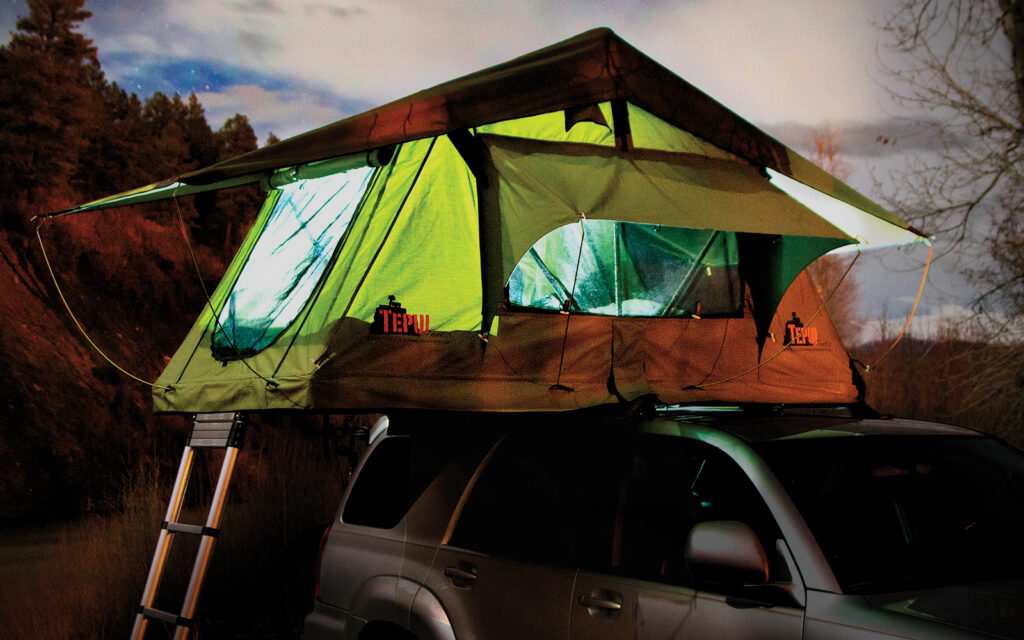
Parks and Rec: Camp Out in your Car
Ditch the tent and turn your vehicle into the ultimate camping accessory.

The History of the Six Flags Over Texas
Over the years, six flags have been raised and flown over Texas. Here is the story behind each one.

A Guide to Texas Mineral Springs
From the desert springs of West Texas to the mineral-rich wells of North Texas, you’ll soon be floating in a spring-fed pool.
9 Infamous, Spooky Texas Legends
Plus, four stops for a haunted road trip through the Lone Star State.