Please sign in as a member or guest below to access it.
Please sign in as a member or guest below to access it.

When Willie Nelson returned to Texas from Nashville, he found a musical community that would help launch a movement.

Country
music evolved out of the backroads of America, absorbing every kind of musical
and cultural influence, from English ballads and the blues to folk music and
cowboy songs. But by the 1960s, country music, as it had become understood by
mainstream America, had calcified into a slick, overproduced musical product.
With
its cultural and commercial heart based in Nashville, the Music City’s studios
pumped out hit after hit that was tailor-made for mass radio play but which
seemed to have lost some of the grit, edge, and heart that had defined the
likes of pioneering legends Hank Williams, Bob Willis, Jimmie Rodgers, and
others.
As
the 1970s brought a period of cultural transition to the U.S., a handful of
intrepid singers and songwriters began to forge a new road for country, with an
eye on the past and firm belief in the possibilities of the future.
In
1971, Willie Nelson was just another young singer-songwriter in Nashville whose
career seemed to have stalled. He had written a few hits for other artists — most
notably, “Crazy” for Patsy Cline — but his own singing career had never really
taken off. He decided to head back to Texas. If Nashville didn’t want Willie,
he knew Texas would let him be who he wanted to be.
Back
in Texas, Nelson encountered a nascent country music scene that was looking
away from Nashville for inspiration and back toward the origins of the genre.
These included artists like Jerry Jeff Walker, Billy Joe Shaver, and a trio of Lubbock
boys — Butch Hancock, Joe Ely, and Jimmie Dale Gilmore — who called themselves
The Flatlanders.
Taking
up residence at venues such as John T. Floore’s Country Store in Helotes and
the Armadillo World Headquarters in Austin, these artists were morphing
influences from rock, blues, and psychedelic culture into a more traditional
country sound. Nelson was soon joined by other Nashville outcasts — fellow
Texans Waylon Jennings and Kris Kristofferson and others — and the regional
sound started to gel into a movement.
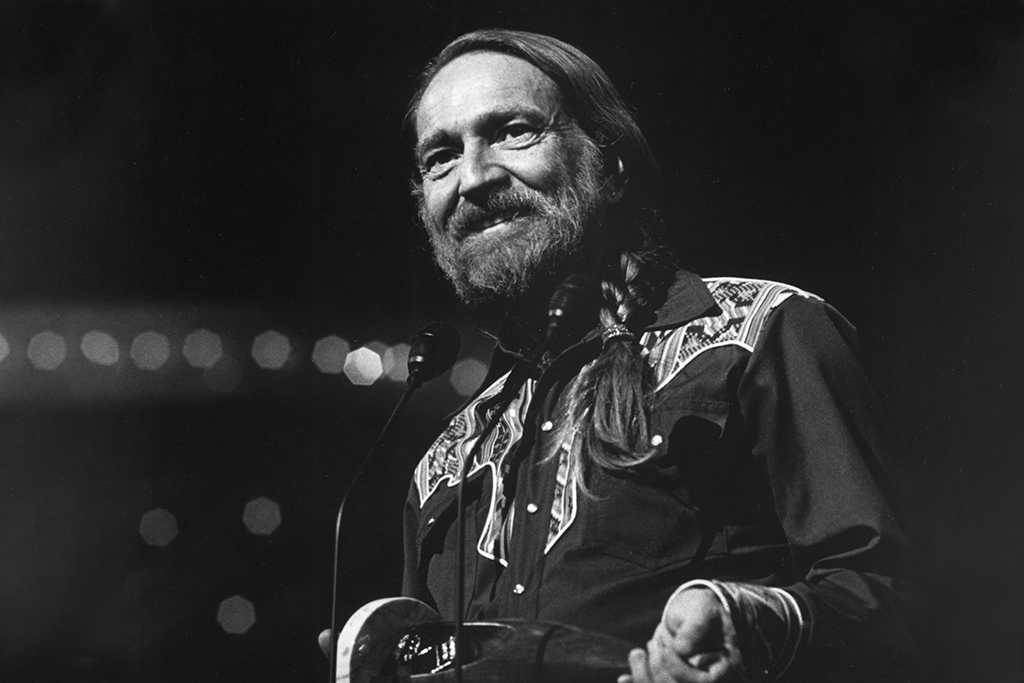
In
the late-1960s, Johnny Cash released two live albums — At Folsom Prison
and At San Quentin — that helped set the stage for the new, rougher
breed of country. They helped prove that there was an appetite for
roots-oriented country music. Throughout the early-1970s, Nelson, Jennings, and
Kristofferson, as well as a number of other significant artists including Billy
Joe Shaver, David Allan Coe, Ray Wylie Hubbard, Guy Clark, and others, began to
release music that drew from both the early roots of country music and the rock
and folk scenes of the 1960s and 1970s.
By
the mid-1970s, these country acts had evolved into a scene of their own, and in
1976, Nelson and Jennings teamed up on a compilation album that would give a
name to their musical movement: Wanted! The Outlaws. The album featured
a dustier sound that was rough around the edges but still supported
well-crafted songs that became wildly popular. Wanted! The Outlaws
became the highest-selling country record ever produced outside of Nashville,
and it offered critics a label for this new breed of country: Outlaw Country.
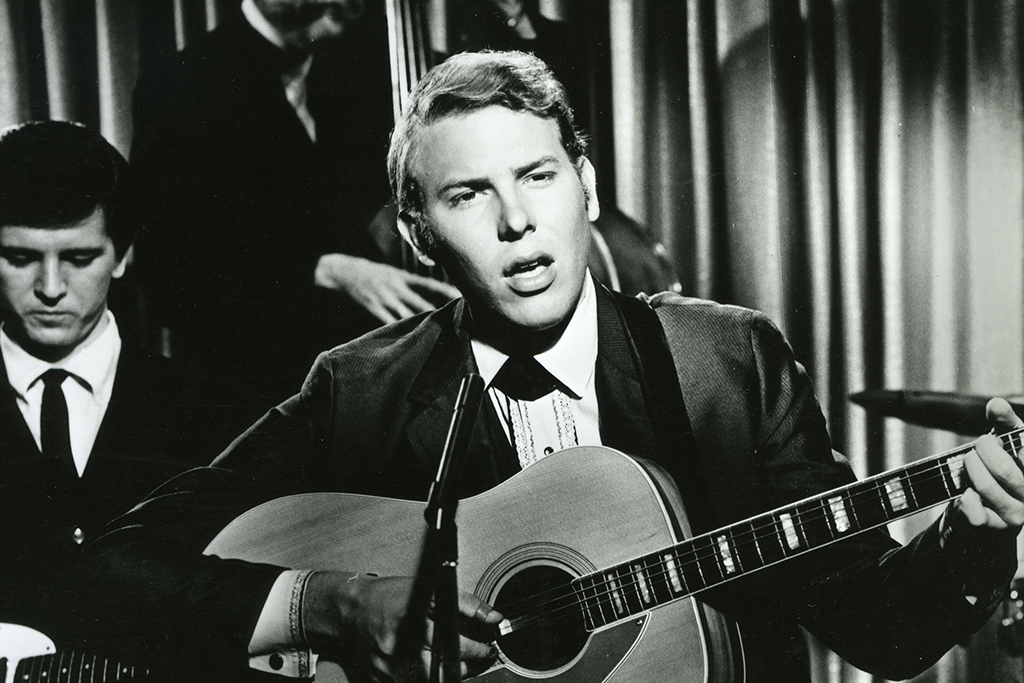
Outlaw
country’s success in the late-1970s and early-1980s inspired a new generation
of country artists who now felt like they had the freedom to take more chances
with their music. Dwight Yoakam, Hank Williams Jr., and Johnny Paycheck all owe
their sounds to the movement. Outlaw country also opened doors for pioneers of
the Bakersfield sound, most notably Merle Haggard, and unique talents like
Townes Van Zandt. A new generation of country singers would be brought up on
the sound, including other Texas legends, like Robert Earl Keen and Lyle Lovett
(who were roommates at Texas A&M).
Now,
outlaw country has become something of its own brand and subgenre within
country music. But the legacy of the music that Waylon, Willie, and the boys
introduced in the 1970s lives on in the way it has greatly influenced wider
cultural movements and the entirety of popular music. From fashion to rock ’n’
roll, culture to politics, outlaw country represented an American (and a
distinctively Texan) approach to cultural expression — one that prized
authenticity, individuality, and the value in following your own path.
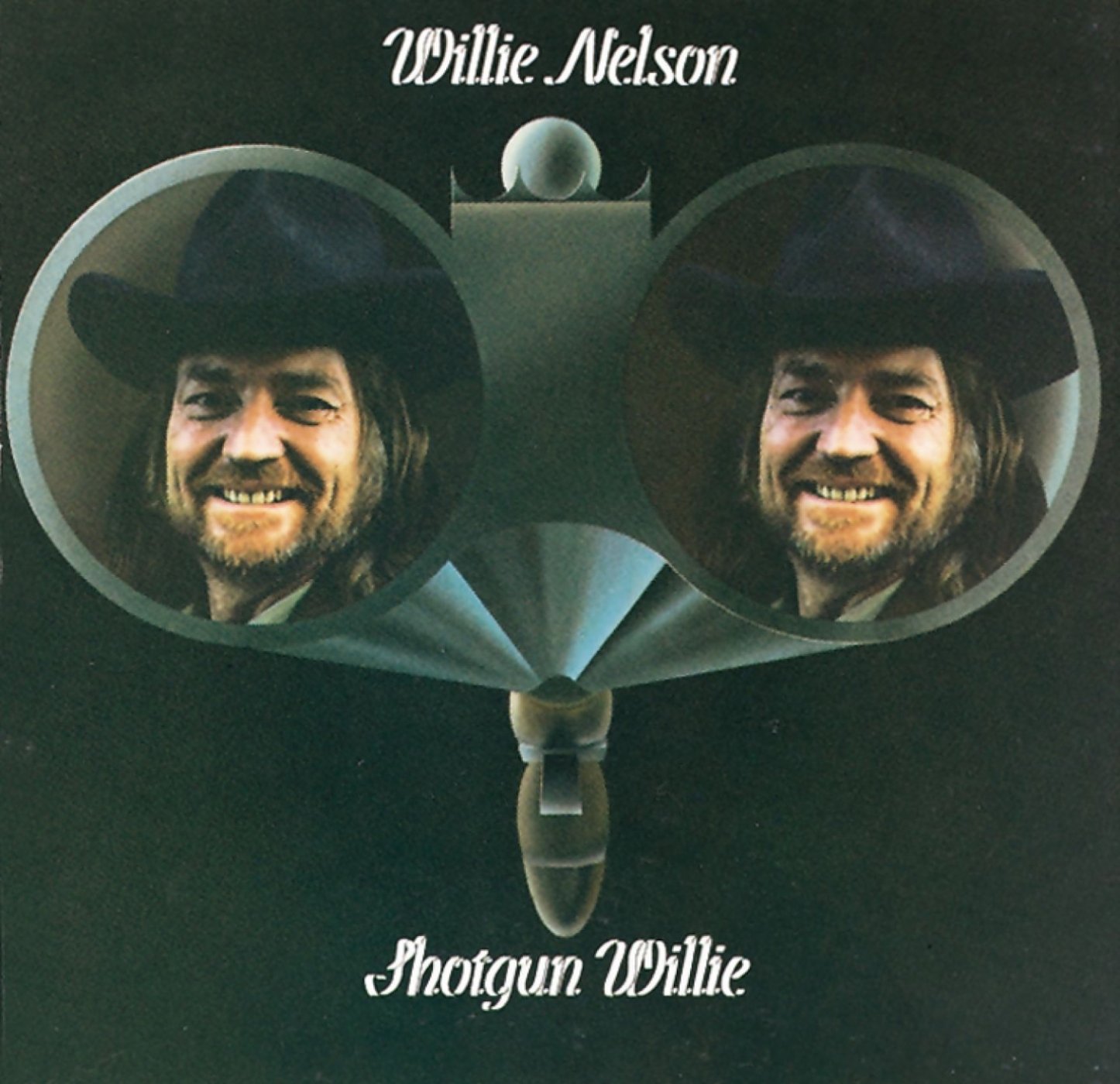
Shotgun Willie (1973), Willie Nelson
Although it is the 16th studio album by Willie Nelson, Shotgun Willie is the record where the man we all know as Willie came into focus. It was his first after being dropped by his Nashville label, made not long after he returned to Austin. Nelson has said it was the album that “cleared my throat.”
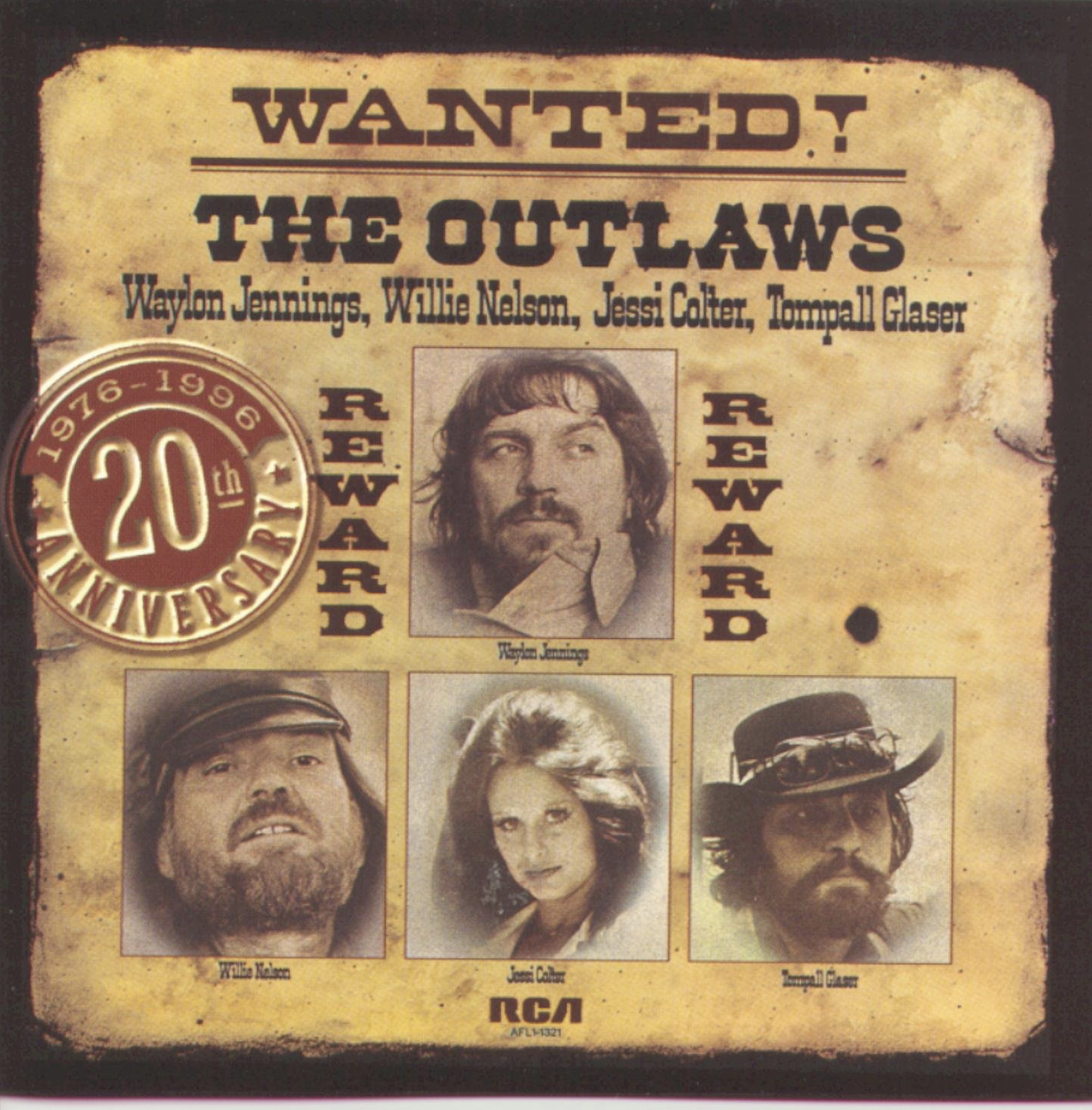
Wanted! The Outlaws (1976), Waylon Jennings, Willie Nelson, Jessi Colter, and Tompall Glaser
Not only did the album thrust outlaw country into the mainstream, it introduced the wider country world to a number of talented performers and songwriters who were standard-bearers of the moment, including songs by Billy Joe Shaver and Jessi Colter, and even an old Jimmie Rodgers tune performed by Tompall Glaser.
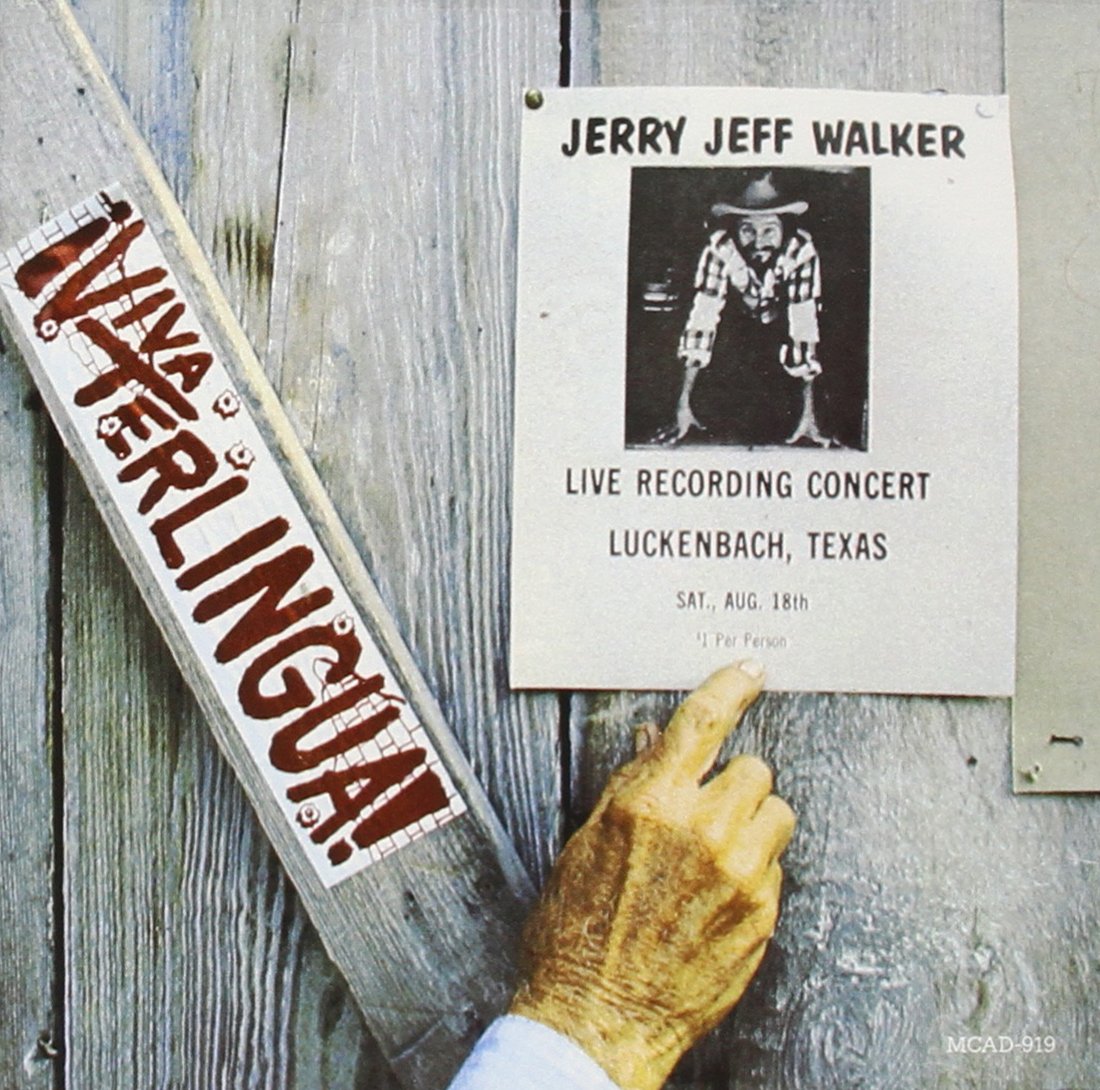
Viva Terlingua (1973), Jerry Jeff Walker
Recorded live at the legendary dancehall in Luckenbach — a location that would feature in another famous Waylon and Willie outlaw track — Viva Terlingua is a rally call in the wilderness for a new approach to Texas music. Featuring the raucous Lost Gonzo Band and songs by Guy Clark, Gary P. Nunn, and Ray Wylie Hubbard, the album ushered in a new swagger to Texas songwriting and performing.
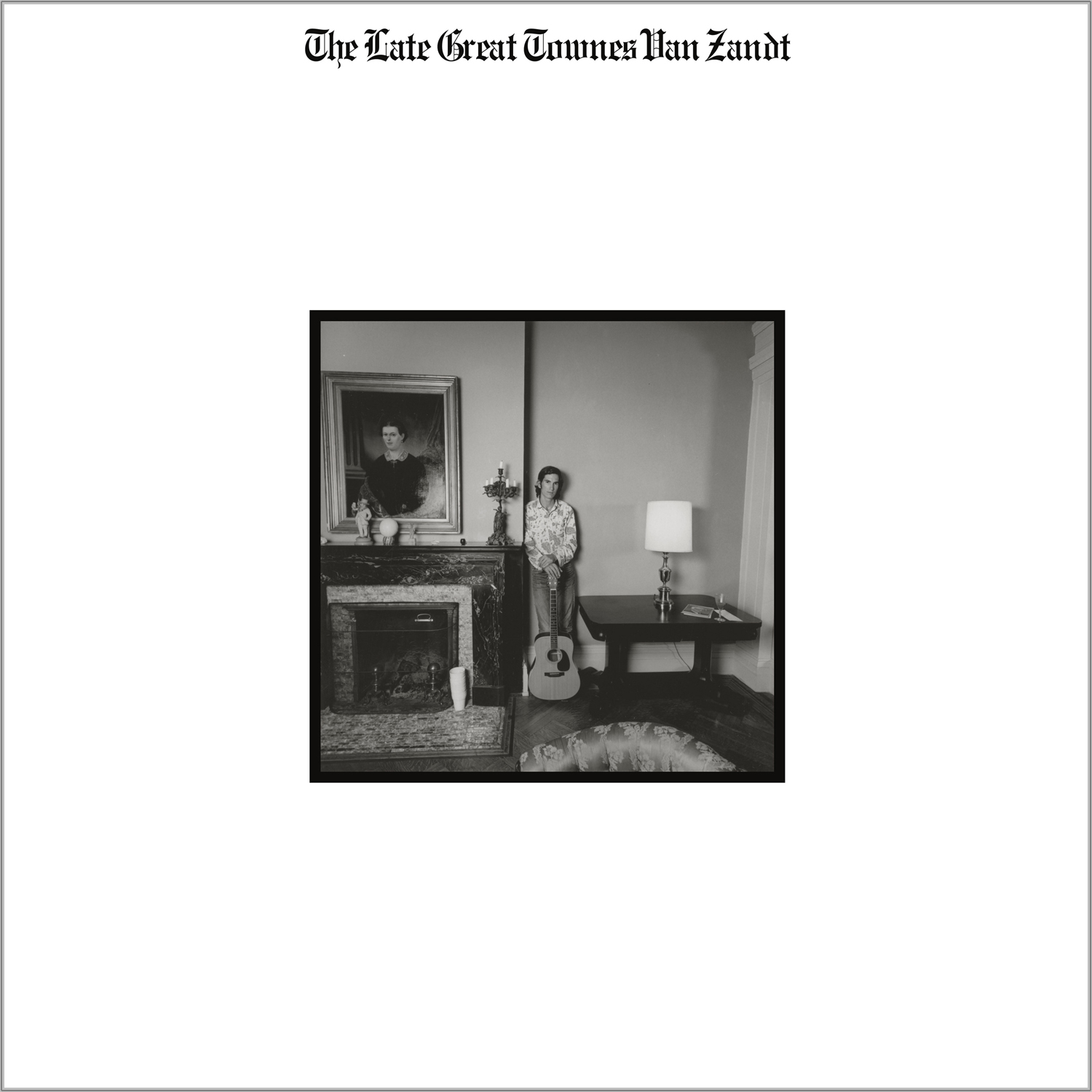
The Late Great Townes Van Zandt (1972), Townes Van Zandt
Townes, who casts a long, tragic shadow across the history of Texas music, is difficult to classify. With songs that feel steeped deep in folk and blues traditions, he is often lumped into outlaw country because of the era in which he wrote and the associations he kept. But the very appearance of Van Zandt in Texas in the middle 1970s is evidence that the doors had been opened for musical talents who wanted to explore the roots of the culture, no matter how raw or eccentric those artists were.
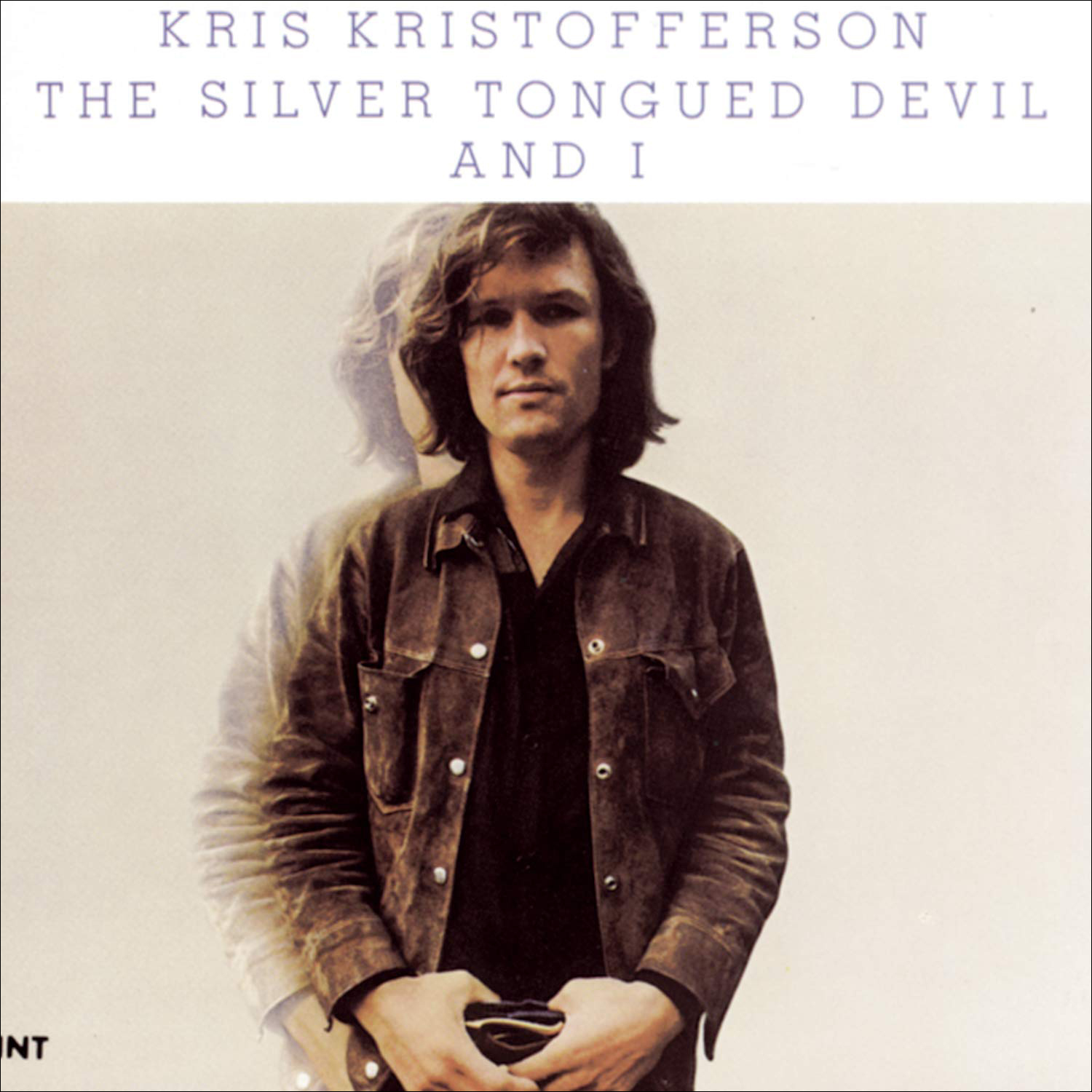
The Silver-Tongued Devil and I (1971), Kris Kristofferson
Texas-born Kristofferson was thrust from obscurity as a young Nashville songwriter when his Me and Bobby McGee became a posthumous megahit for Janis Joplin. The first album released after the song’s success, The Silver-Tongued Devil and I showcased Kristofferson’s masterful skills as a songwriter merged with his emerging talent as a performer.
For more on Texas’s music history, travel the East Texas music highway, explore the origins of rock ’n’ roll, and meet some up-and-comers.
Inscrutable symbols were splashed across Texas’ cave walls thousands of years before European settlers arrived.
The Texas Rangers are iconic, larger-than-life figures in our state’s history. But do you know the full story?
You’d better believe it.

When you think of Texas beaches, you may not think of surfing. But the state has a rich and loyal history dedicated to the sport.
The History Behind Unique Texas Town Names
Ever wonder how Texas became home to some of the most inventive town names in the country? Here are the stories behind a few of Texas’ famously quirky town names.
Meet Wise County’s Luffa Authority
How a single crop helped build a sense of community in Aurora.