
Please sign in as a member or guest below to access it.
Please sign in as a member or guest below to access it.

Thieves like an easy target. Don’t make your vehicle one.
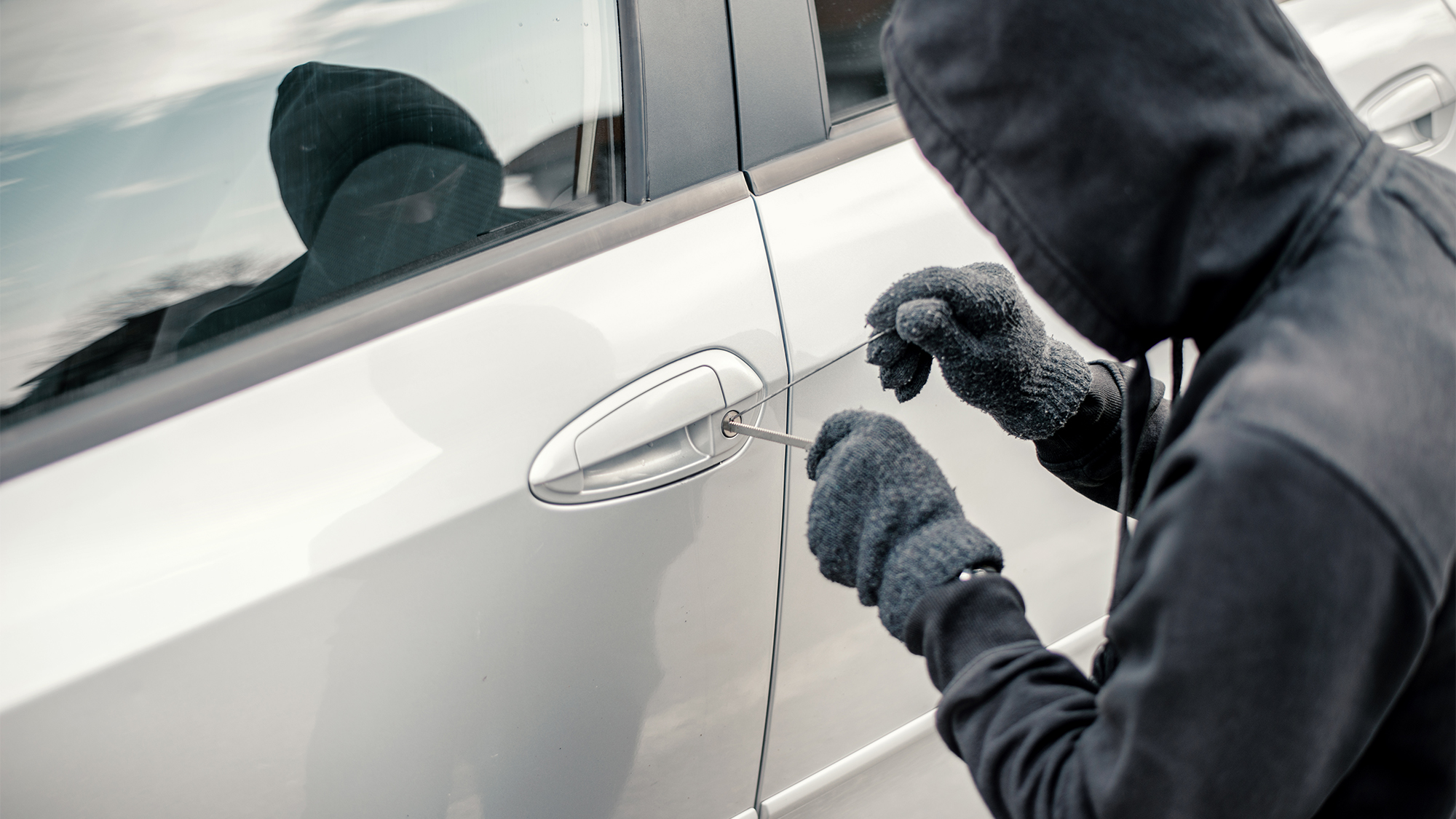
Car break-ins can happen just about anywhere. Whether you’re parked at a crowded shopping center, staying at a hotel during a road trip, or leaving your car outside your own home, thieves look for easy opportunities to grab valuables.
The good news is that a few simple precautions can go a long way in reducing your risk. While no security measure can completely prevent a break-in, smart habits make your car a far less appealing target, especially during peak travel and shopping seasons when vehicles are more likely to contain gifts, luggage, electronics, and other high-ticket items.
Here’s what every driver should know about deterring vehicle break-ins and the steps to take if it happens.
Where you park can matter more than you may think. When possible, look for well-lit areas with plenty of foot traffic and visibility. Thieves are much less likely to target a car when there’s a higher chance someone will notice suspicious activity.
If you’re parking in a garage or public lot, try to find a spot near entrances, exits, elevators, or security cameras. At home, a locked garage offers the best protection, but if that’s not an option, parking in a driveway with motion-activated lights or security cameras can help discourage would-be thieves.
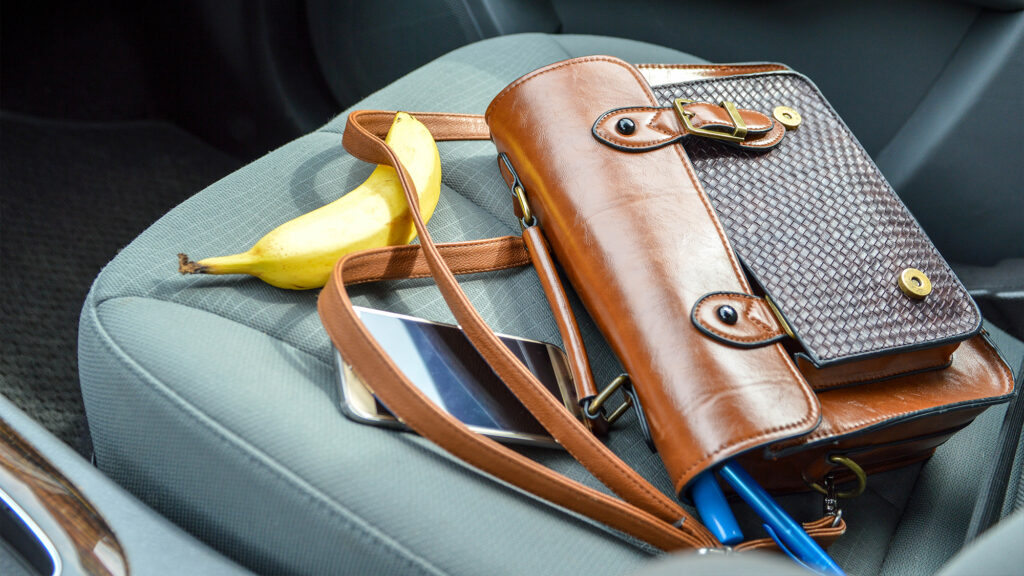
Items such as laptops, smartphones, purses, backpacks, shopping bags, and wallets attract unwanted attention, so one of the easiest ways to reduce your risk of a break-in is to avoid leaving valuables where they can be seen. Even loose change, charging cables, or empty bags may signal to a thief that additional valuables could be hidden inside.
Before walking away from your vehicle, do a quick scan of the interior and remove any important belongings. If you need to leave items in your car, store them in the trunk or another secure compartment where they can’t be seen from outside.
It may seem obvious, but many car break-ins happen simply because a door was accidentally left unlocked or a window was left partially open. So, before you go, take a moment to make sure all doors are locked, the windows are up, and your keys are with you. If your car has a keyless entry system, don’t assume it locks automatically every time — always double-check.
For added protection, you should also avoid leaving spare keys inside the car. Hiding them in the glove compartment or under the floor mat may seem convenient, but these are usually the first places a thief checks.
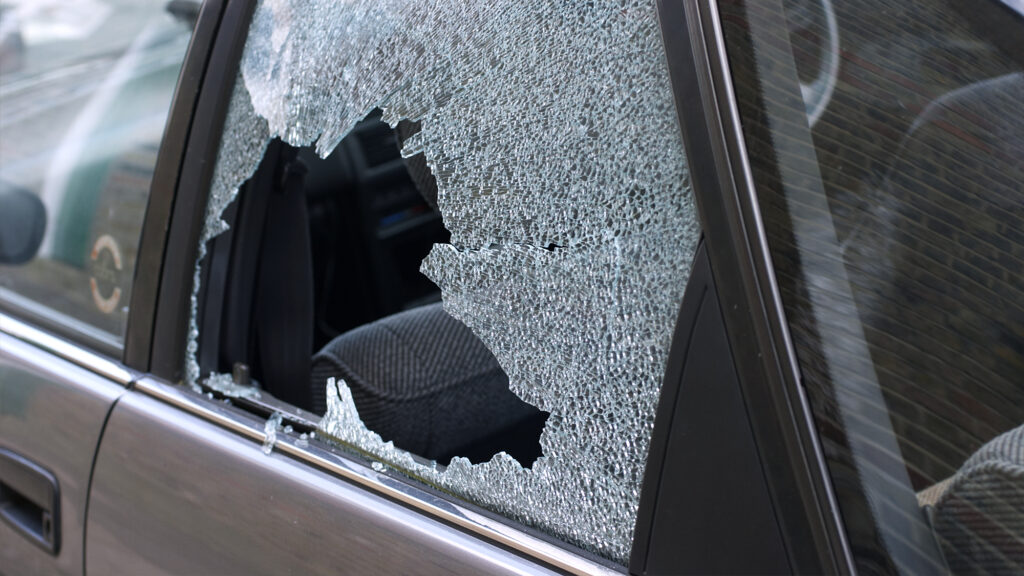
Discovering that your car was broken into is undoubtedly frustrating and stressful, but taking a few important steps right away can help protect you and make the reporting process easier.
First, avoid touching anything inside the vehicle, since fingerprints or other evidence could be useful for law enforcement. Instead, take clear photos of damage and make a list of anything that’s missing or appears to be tampered with.
Next, contact your local police and file a report. Be ready to share details about the incident, including where the vehicle was parked, when you discovered the break-in, and what items were stolen.
Finally, if credit cards, identification, or electronic devices were stolen, notify the appropriate companies as soon as possible. The faster you report them, the sooner you can secure your accounts and prevent unauthorized use.
Insurance coverage for vehicle break-ins depends on your coverage and the nature of the loss. Comprehensive auto insurance may help cover damage caused during a break-in, such as broken windows or damaged locks, but personal belongings stolen from the vehicle are often covered under a homeowners or renters insurance policy.
For the best outcome, contact your Agent as soon as possible to review your coverage. From there, they can help you understand the claims process and determine what documentation is needed.
Staying safe on the road is critical, these roadside tips can help.

A Guide for Expecting Grandparents
A crash course on infant safety for new grandparents.

There Are Stray Kittens in the Backyard. Now What?
Help a furry friend in need this winter.
Since credit and debit cards have adopted the microchip, thieves have adapted their sinister approaches.

Enjoy the great outdoors with peace of mind.

How to Navigate Texas’ Water Laws
Before you head out to enjoy Texas’ many beautiful rivers and lakes this summer, it is useful to have some familiarity with the state’s water laws and regulations.
How Risky Is the New Car Sharing Trend?
Peer-to-peer car rentals are all the rage, but they come with risks.