Please sign in as a member or guest below to access it.
Please sign in as a member or guest below to access it.

Plan ahead, cover up, and reapply that sunscreen.

Every Texan knows — or learns quickly — that time outside in the summer should be taken seriously. Intense heat and sun exposure can quickly lead to sunburn, dehydration, heat-related illness, and, over the long term, an increased risk of skin cancer. That doesn’t mean you should spend the summer indoors, though; just integrate some of these basic sun safety precautions.
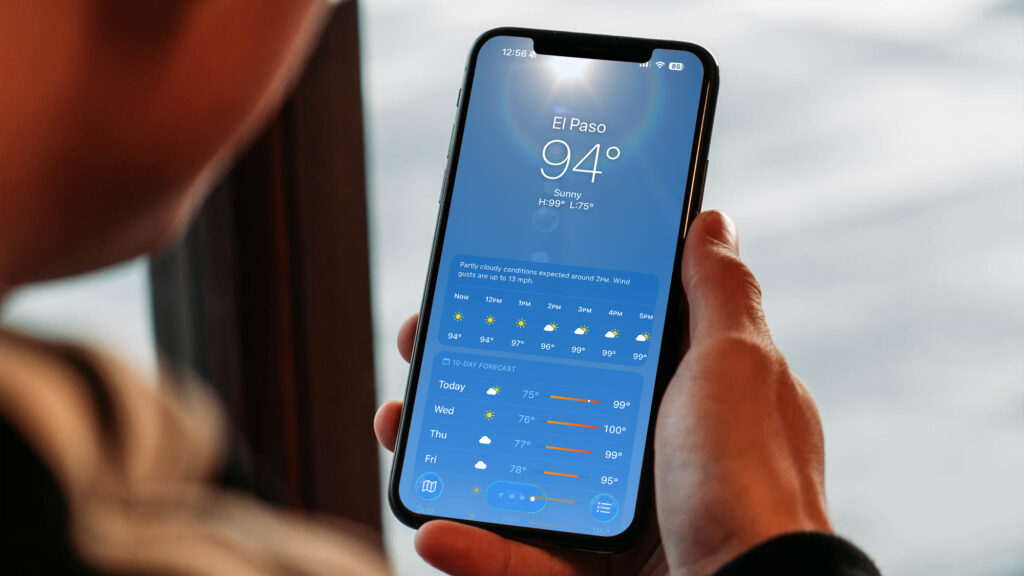
You probably already check the weather forecast when planning outdoor activities, but you might not be looking at all the components. Sun damage can still occur when it’s cloudy. In addition to temperature, focus on the UV index, a valuable tool that forecasts the expected intensity of ultraviolet radiation based on your location, the weather, and the time of day. The index uses a 0–11+ scale, with higher numbers indicating stronger UV radiation and a greater risk of sunburn and skin damage. Avoid peak exposure hours, if possible, which are usually between 10 a.m. and 4 p.m. You should also begin hydrating before you even leave the house.
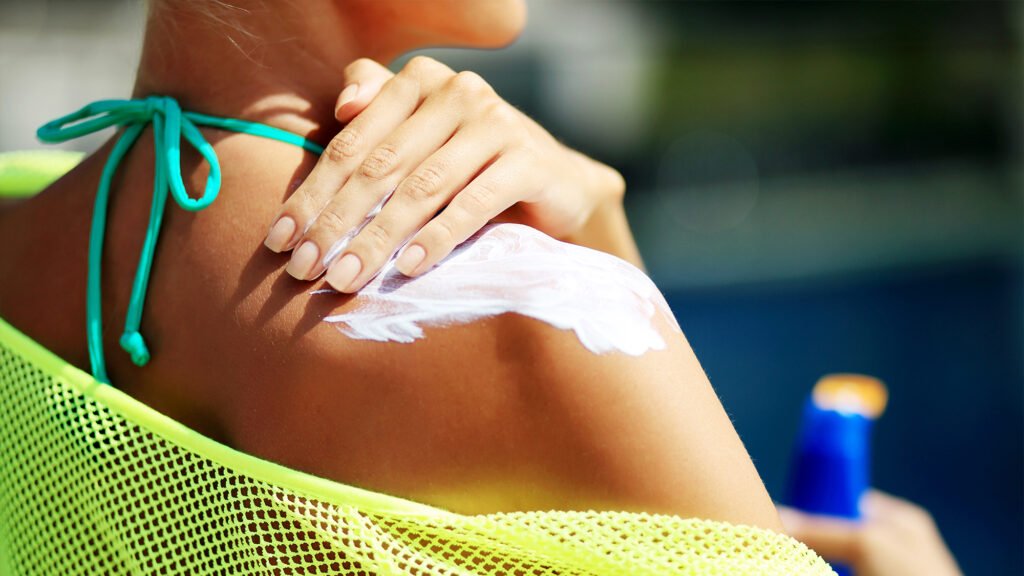
Seek shade whenever possible or create your own with a canopy or umbrella. You should always wear sunscreen on every part of your skin that won’t be covered by clothing. Choose a water-resistant, broad-spectrum sunscreen with an SPF of 30 or higher. Most people don’t wear sunscreen often, and even when they do, they don’t use enough. Apply generously to dry skin — use about an ounce, roughly enough to fill two tablespoons — and pay special attention to easy-to-miss spots, including your scalp, ears, and feet. Lotions, sticks, and gels are all good options that work well on different body parts; be careful with sprays, as it’s easy to think you’ve covered an area thoroughly when you haven’t.
Wear protective clothing that covers as much skin as possible, such as a wide-brimmed hat, sunglasses, long sleeves, and pants. Look for tightly woven fabrics or garments with a UPF (Ultraviolet Protection Factor) rating. While darker colors often block more UV radiation, many lightweight synthetic fabrics are designed to provide excellent sun protection while remaining comfortable in hot weather.
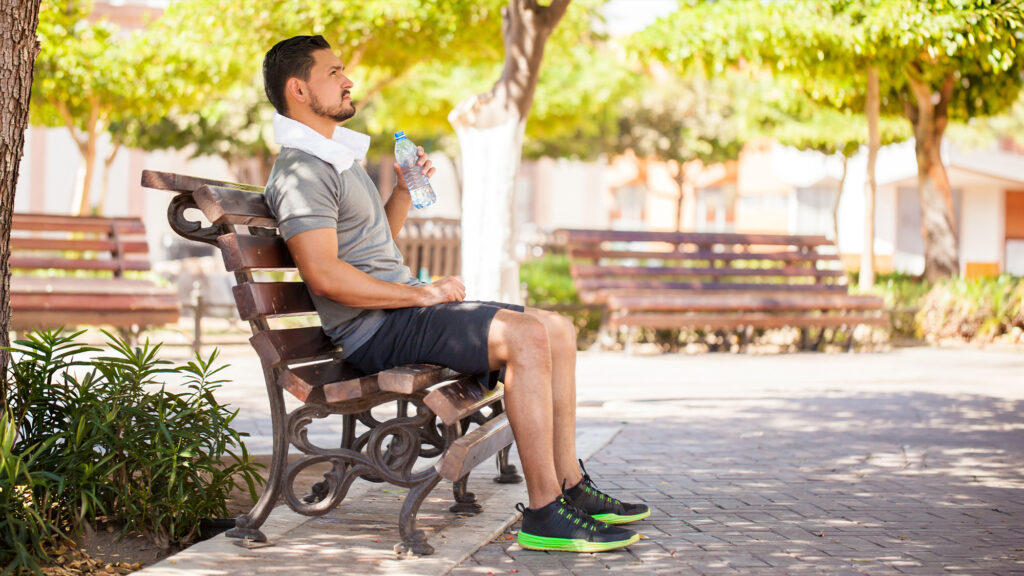
Reapply sunscreen about every two hours, and more often if you have been swimming or sweating, as no sunscreen is fully waterproof. Continue hydrating, sipping regularly from a reusable water bottle rather than waiting until you feel thirsty. During prolonged outdoor activity or periods of heavy sweating, electrolytes can help replace minerals lost through sweat. If getting enough water feels challenging, you can incorporate foods with high water content, such as watermelon or cucumbers. Setting phone reminders can also be helpful.
Watch for dizziness, headache, nausea, confusion, excessive fatigue, or lack of sweating despite extreme heat, all of which can be symptoms of heat-related illness. Move to a cooler area and hydrate if you experience any concerning signs, and seek medical attention if your condition does not improve.
Review this guide on what to do in heat emergencies and how to prevent them so that you can enjoy the summer months with peace of mind.
How to Stay Safe During the Next Winter Storm
Last winter, Texas got slammed with an unprecedented winter storm. Before the next extreme weather hits, follow these tips for staying safe.
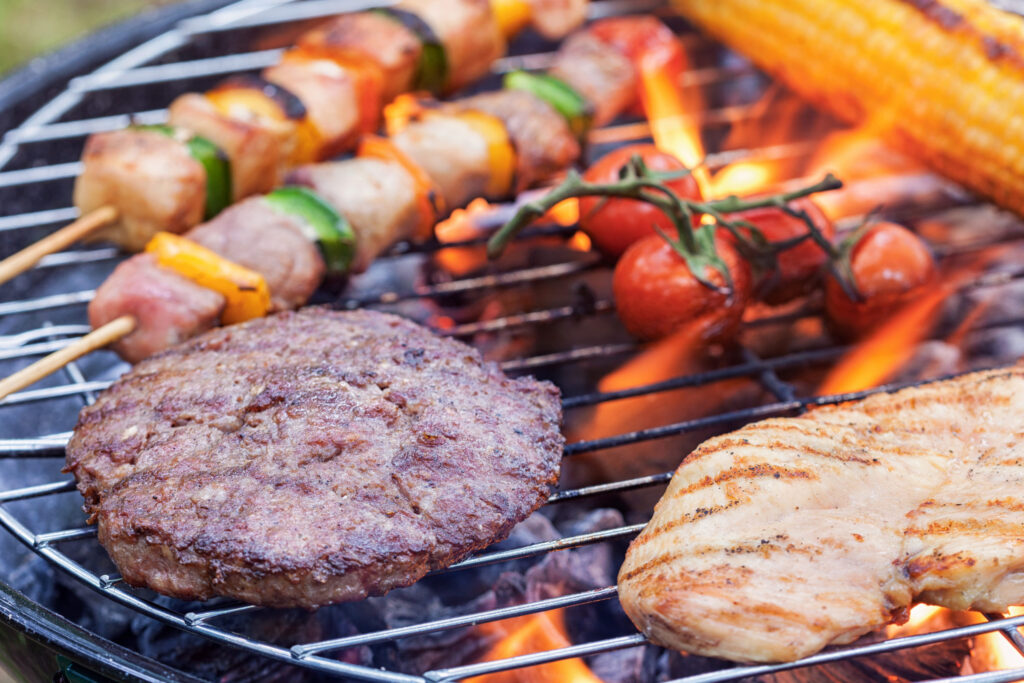
The Texas Cookout Safety Guide
Even the most seasoned grill master can use a review of some easy safety tips that will help you maintain and manage your summer cookout.

Are You Storing Important Documents Safely?
You should be holding onto some of your documents indefinitely. Others, you can throw out.

The Best (and Safest) Malware-Protection Software
Malware, or malicious software, can be downloaded onto your devices without you even knowing, putting your private information at risk.
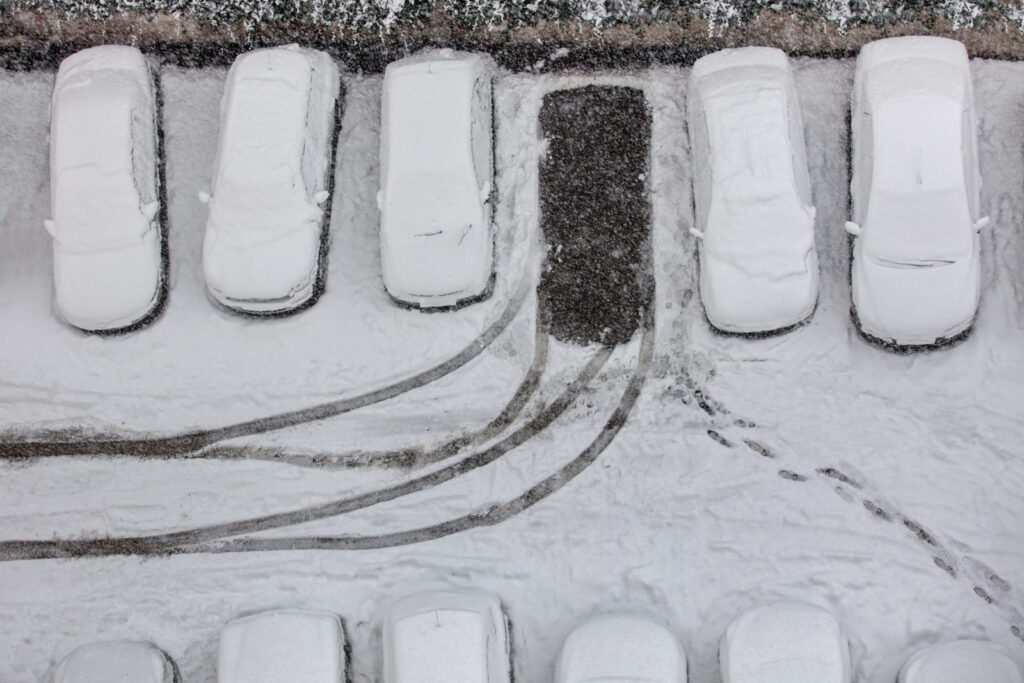
Texas roads can be dangerous and unpredictable when they ice over. And you can’t always see the ice.

5 Things to Know Before Listing Your Home on Airbnb
Tips for becoming the host with the most.