
Please sign in as a member or guest below to access it.
Please sign in as a member or guest below to access it.

The bird-lover’s guide to attracting colorful hummingbirds right to their yard, windowsill, or patio.
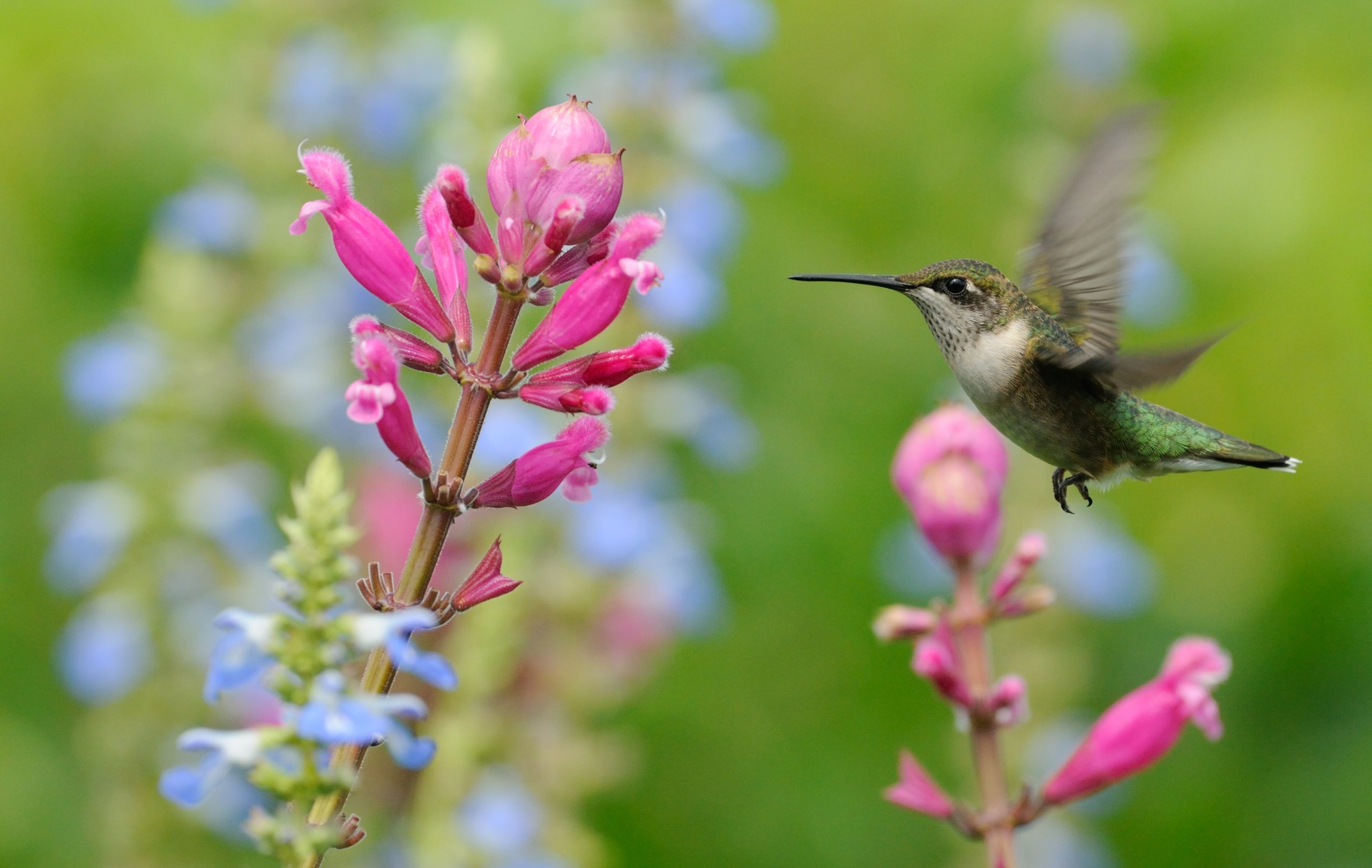
Whether you’re a bird aficionado or a casual fan, you’ll find that hummingbirds are a delightful visitor to your garden. Colorful, smart, and talented — hummingbirds are the only birds that can fly backward as well as upside down — these tiny, feathered creatures are well worth attracting.
Hummingbirds are famously intelligent and will remember every place they feed over their lifetimes. So, if you learn how to make a hummingbird garden, you’re creating a chance to make new friends who may return to your yard around the same time every year. Here’s how to make a hummingbird garden in seven easy steps.
Hummingbird gardens don’t need to be big to attract these tiny birds. Having a large garden isn’t necessary — a window box will do the trick (and will make it easier to bird-watch while you’re doing the dishes). Whether you choose a windowsill, patio, or garden, make sure it has good visibility. If it’s near a window or a pleasant place to sit, you’ll find more opportunities to enjoy bird-watching during their visits.
When you’re building your garden, focus on vertical spaces. Trellises, flowerpots, and climbing vines will all add verticality that hummingbirds find appealing and make it easier for you to spot them.
Understanding hummingbird species and migration patterns in your area can help you select flowers that bloom when hummingbirds are nearby. Ruby-throated hummingbirds, for example, arrive in Texas between mid-March and early May, but specifics vary depending on the species and where you live.
When you know what species might be in your neighborhood, consider the following flower qualities that hummingbirds look for.
No matter the kind of flowers you choose, avoid using pesticides and herbicides in your garden. They can harm feeding hummingbirds if they consume them through nectar.
Deck out your hummingbird garden with a few accessories that hummingbirds find attractive. While there are plenty of DIY bird feeders, hummingbirds have a preferred style: Hummingbird feeders that are accessible without needing to perch can supplement their nectar diet and keep them coming back.
Hummingbirds, unlike most birds, don’t often visit common birdbaths. They do, however, use water to remove sticky nectar from their feathers. There are a variety of ways to incorporate waterworks into your garden that hummingbirds will enjoy, from misters to sprinklers.
Now that you know how to make a hummingbird garden a little paradise, sit back, relax, and enjoy the show. Take note of what your hummingbirds find especially appealing and when they tend to arrive so you can adjust your garden accordingly for even more hummingbirds next season.

Six methods to keep yourself, your home, and your family safer.
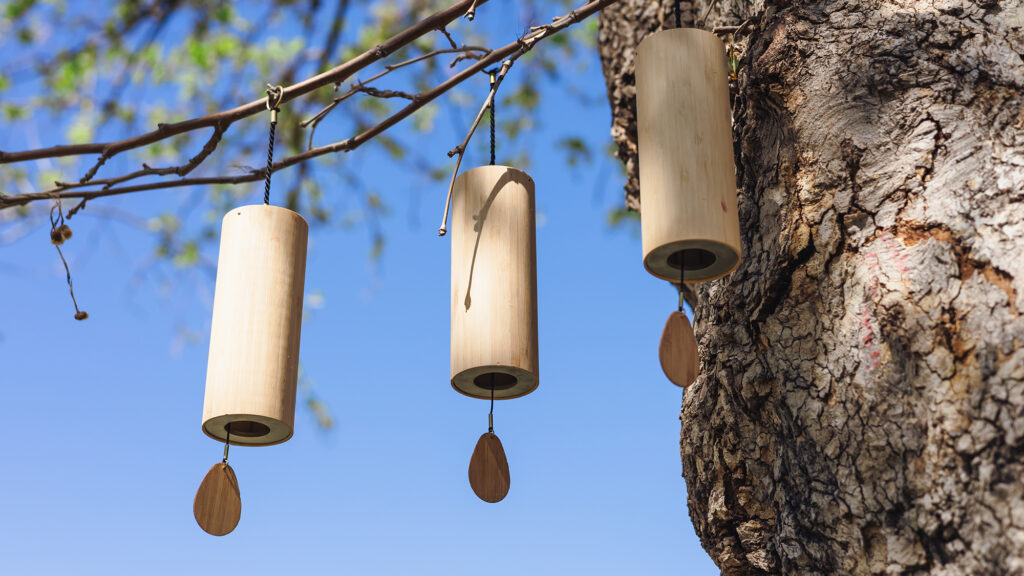
Bring a little melody to your backyard.
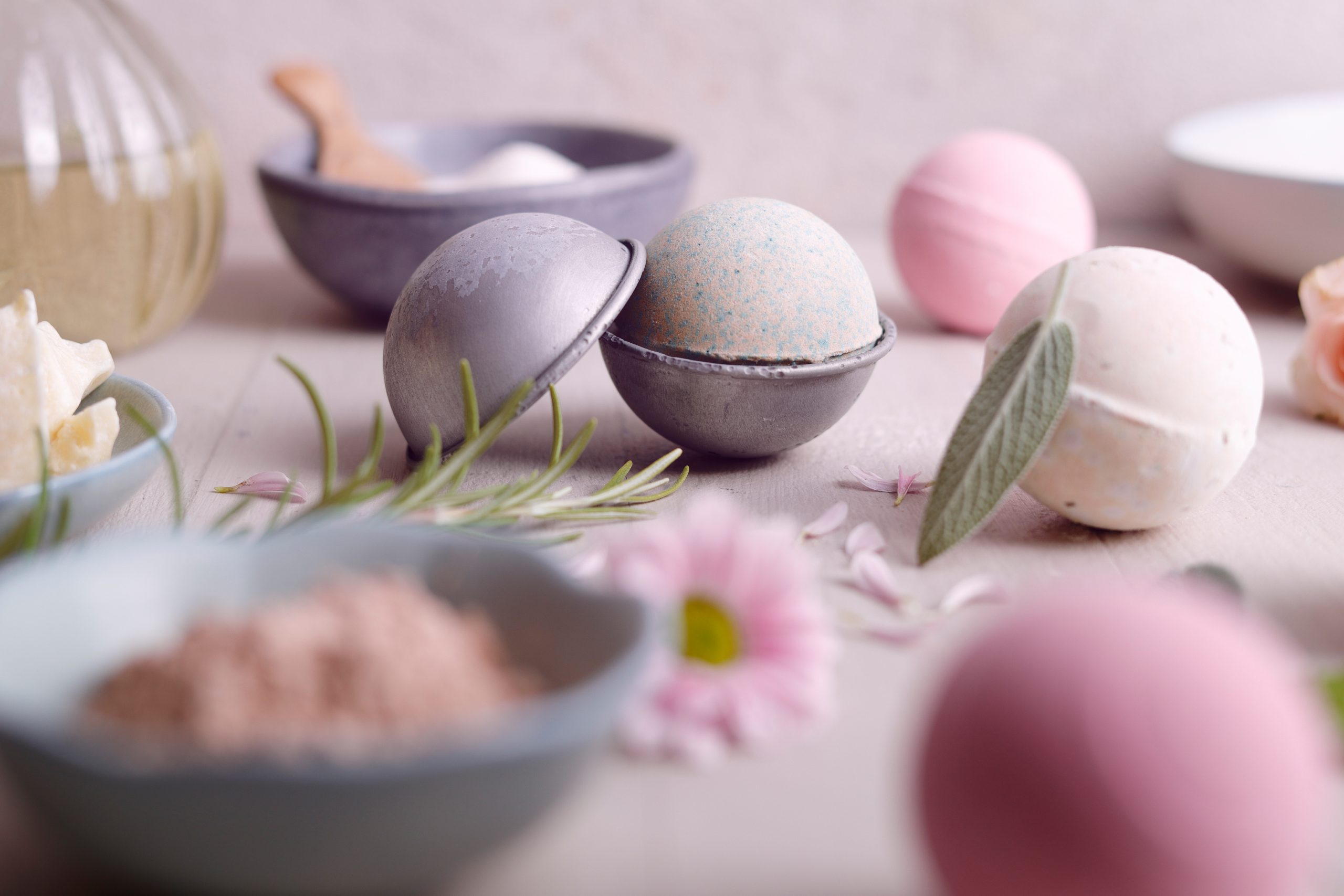
DIY Bath Bombs and Shower Steamers
Bath bombs are popular self-care staples that turn tubs into fizzy luxury spas, and when you make your own, you know exactly what you’re soaking in.
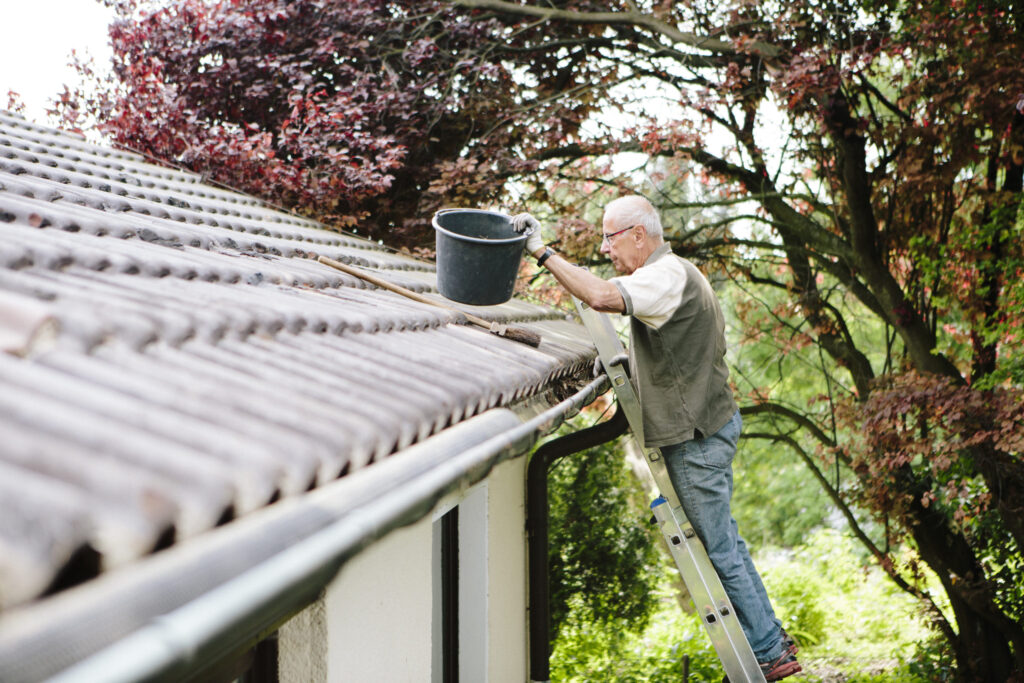
These home repairs are easy enough to do yourself, totally free, and just might end up saving you thousands.

Make your event memorable for all the right reasons.
A Deep-Cleaning Guide for a Happy, Healthy Home
Tips to keep your home clean, safe, and hazard-free.