Please sign in as a member or guest below to access it.
Please sign in as a member or guest below to access it.

Are you prepared for severe weather this season? Make sure your roof is protected with these impact-resistant shingles.
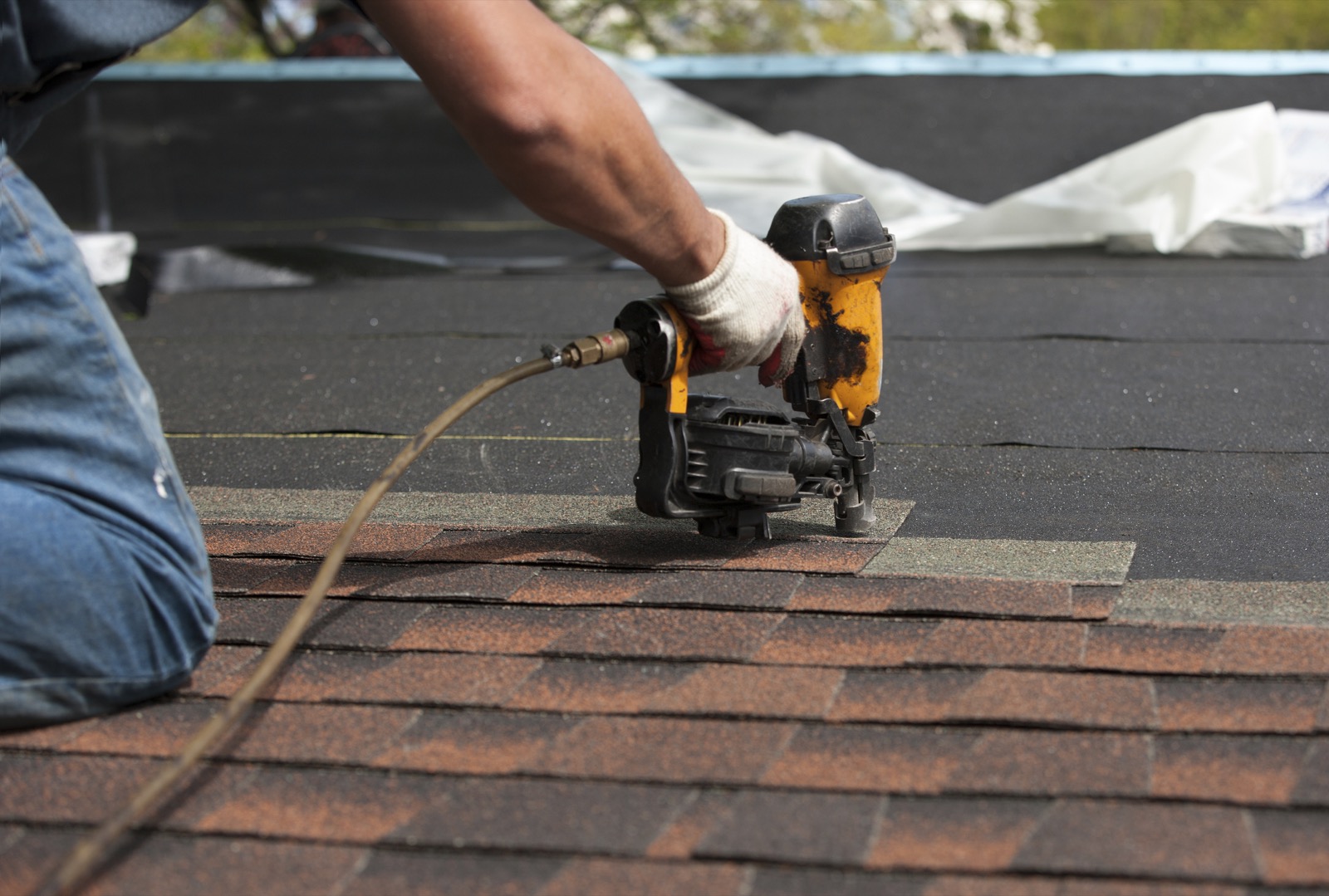
When golf ball-size chunks of ice start falling from the sky — a part of life across much of Texas — roofs can take the brunt of the damage. But you can keep from finding a leak in your home with impact resistant shingles.
If you’ve lived here long enough, you might think such a thing impossible, but these stormproof shingles are very much so real. Most roofs consist of one of two basic types of shingles, three-tab and architectural, also commonly referred to as composition shingles. Architectural shingles are heavier and last longer, and they can be upgraded to a Class 4 shingle — the highest rating a shingle can receive in a Test Standard UL 2218, or simulated hail test. “The three-tab tends to be a lighter weight and less durable, plus more prone to wind lift and so forth,” says Ryan Nicholson, a Texas Farm Bureau Insurance Agent in Collin County.
Class 4 shingles — whether asphalt, metal, wood, or another material — are stronger when it comes to impact, explains David Roodvoets, program coordinator of the Hail Investigation Program for the Roofing Industry Committee on Weather Issues. A typical roof is Class 1 or Class 2.
While the up-front cost of a roof with impact resistant shingles is usually slightly higher than other types, you can often get reductions on your homeowners insurance.
“You can’t visibly see the difference, but under that shingle there’s a stamp that says ‘Class 4’ on it,” he explains. “Once the roofer confirms, we give them the discount.”
If you’d like to add impact resistant shingles to your home, Roodvoets recommends finding a roofer who’s experienced in this area. “It’s not any more difficult to install, but sometimes if they’ve not installed a Class 4 roof before, they want to charge more because they really don’t know what’s going to happen,” he says.
For those who live in a hail-prone area, there’s little downside to upgrading your roof. “If I were a homeowner, I would definitely get a Class 4 shingle,” Roodvoets says. “Generally speaking, they have a better wind resistance, and overall the roof is likely to last longer.”
Don’t let Texas’ unpredictable severe weather catch you off guard. Homes, vehicles, vacation properties, and other items need sufficient coverage to help weather the financial fallout of hail, wind, lightning, and more. Call your Texas Farm Bureau Insurance Agent today to schedule a 360 Review.
Discover the best weather apps to keep you prepared during inclement and severe weather.
Coverage and discounts are subject to qualifications and policy terms and may vary by situation.
When you take a gander at the severe Texas storms that occurred last year alone, a Texas-tough roof sounds all the better.

6 Emergency First-Response and Safety Courses
Be prepared for anything with these courses.

It’s beginning to look a lot like Christmas. Maybe not outside, but inside our homes, at least.

The Best (and Safest) Malware-Protection Software
Malware, or malicious software, can be downloaded onto your devices without you even knowing, putting your private information at risk.
Everything You Need to Know About Texas Car Inspections
Including information about a shift in state law.
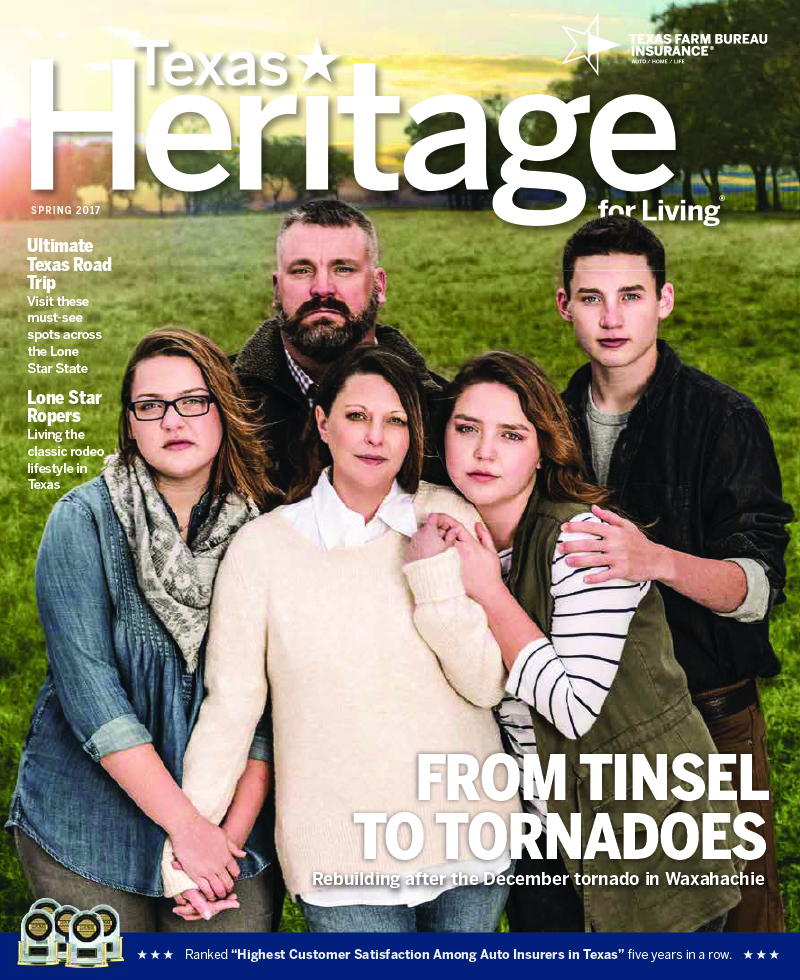
Are your prepared for the unpredictable? Read how faith, family, and Texas Farm Bureau Insurance helped this North Texas family weather an unseasonal Christmastime tornado.
Hydration Tips to Help You Drink More Water
Why is staying hydrated so hard?