
Please sign in as a member or guest below to access it.
Please sign in as a member or guest below to access it.

For those seeking flake and fortune.
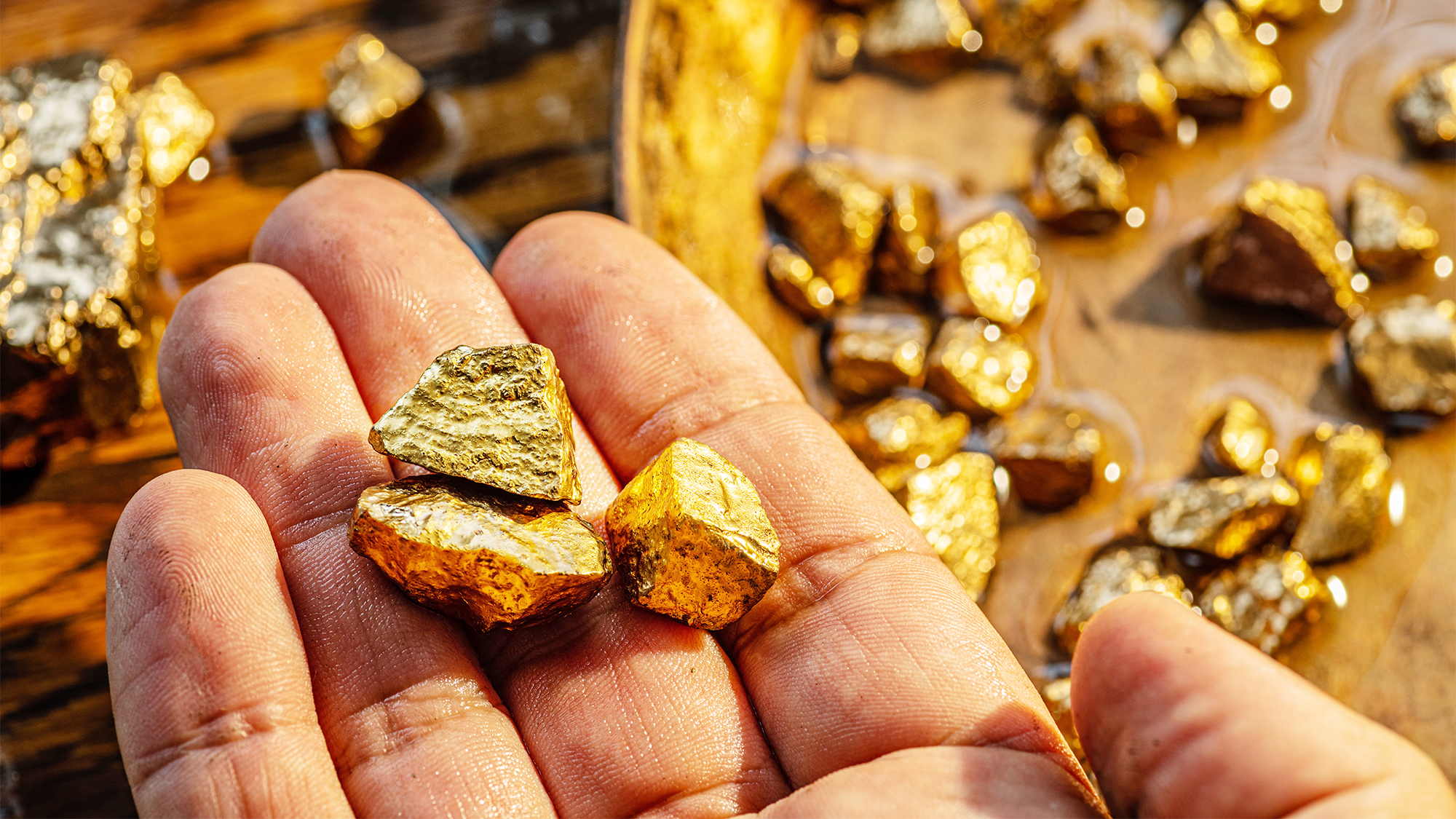
Texas may be rich in frontier lore, but when it comes to gold, the story is less glittering. The 1850s Texas Gold Rush was mostly a bust. Over the past 150 years, Texas has produced approximately 8,200 ounces of gold. California, by comparison, produced 200,000 ounces in 2022 alone.
In other words, don’t expect to turn up a fist-sized nugget in a Texas creek. If you find anything, it’ll likely be “flour gold” — tiny flakes small enough to test your patience, but exciting enough to keep you panning. Still, there’s gold in Texas soil, particularly in mountains, rivers, and creeks.
Here are a few places to try your luck and how to make sure you’re following the law.
In Texas, not every promising streambed is fair game for prospecting. To pan in a state park, including navigable rivers and streams, you’ll need to apply for a permit through the Texas General Land Office. National forests are more open to low-impact panning, but check with the local ranger district before you go. Private land is more straightforward — you simply need the landowner’s permission, preferably in writing.
Here are a few areas where gold flakes have been found.
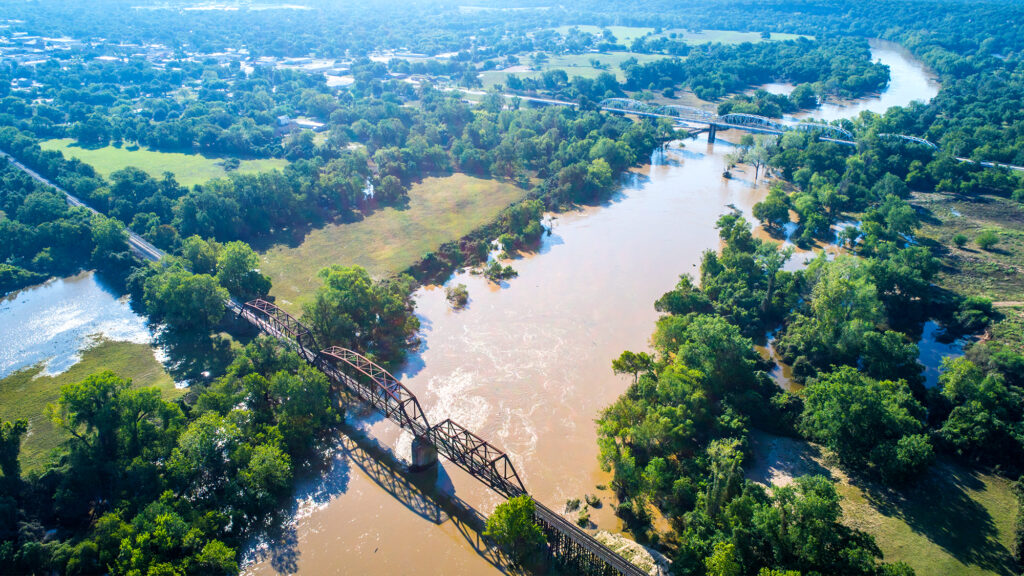
The Llano River, especially south of Kingsland Slab, is one of Texas’ better spots for amateur gold panning. Look for flakes, not nuggets, and try after heavy rainfalls, when heavy gold may be stirred from the sandy bottom. Nearby creeks flowing from the Llano Uplift are also said to carry traces.
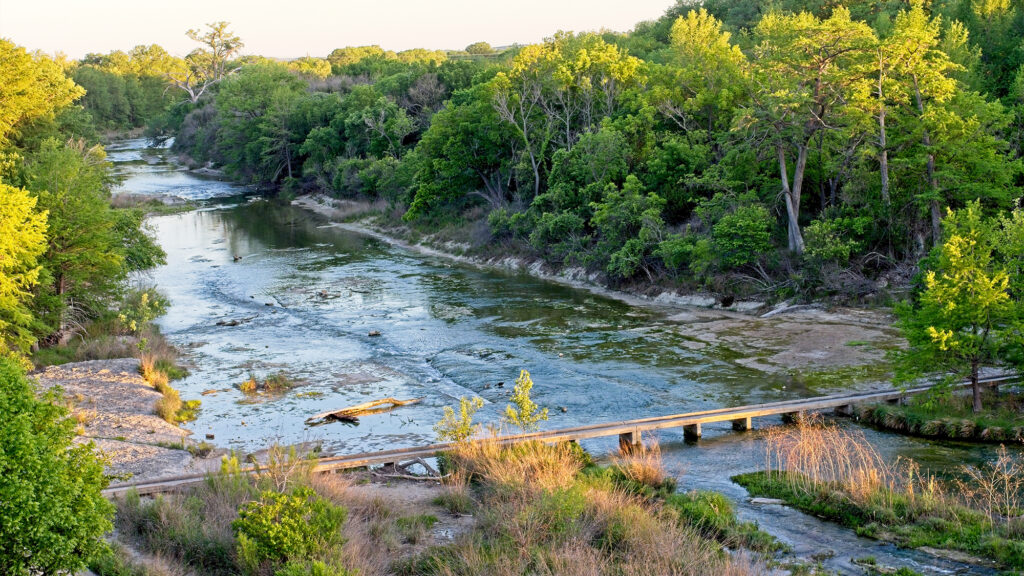
Near Kerrville, the Guadalupe River has produced small traces of gold and the occasional tiny chunk. Look for black sand, a heavier material that can collect gold, or use a metal detector to find larger patches before panning.
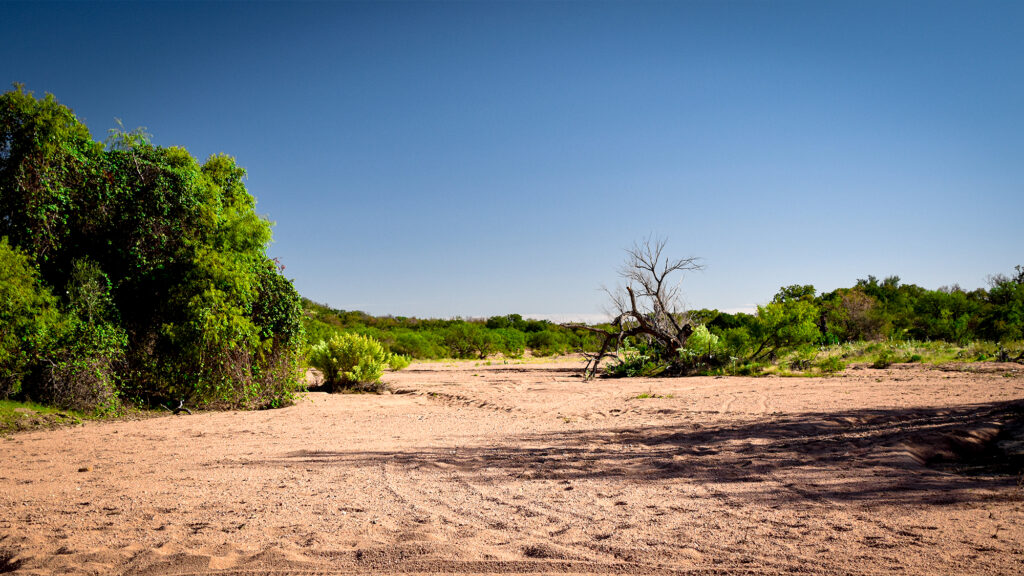
Sandy Creek, south of Llano off Highway 16, can turn up fine flour gold for patient panners. A metal detector can help locate black sand, while experienced panners may try dry washing to separate gold from dry sediment.
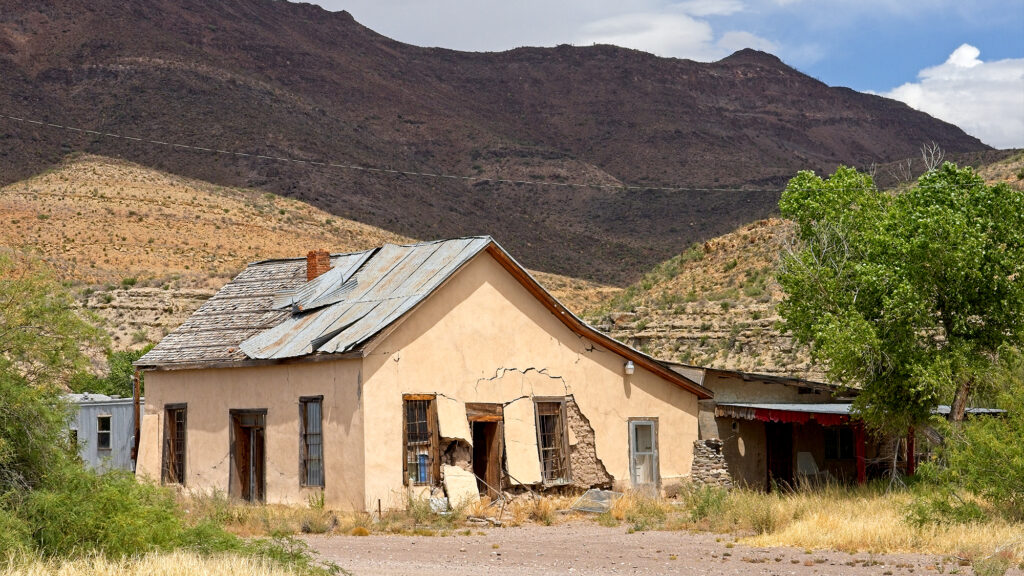
South of Marfa, Shafter began as a successful silver mining town in the 1880s. The Presidio Mine produced millions of ounces of silver, supporting a community of a couple thousand people. By the mid-20th century, falling silver prices, rising costs, and military closures helped turn Shafter into a ghost town. Today, few people live there, but prospectors still drop by to pan for fine placer gold.
After a day of prospecting, stay past sundown for a glimpse of the mysterious Marfa Lights, another kind of Texas treasure.
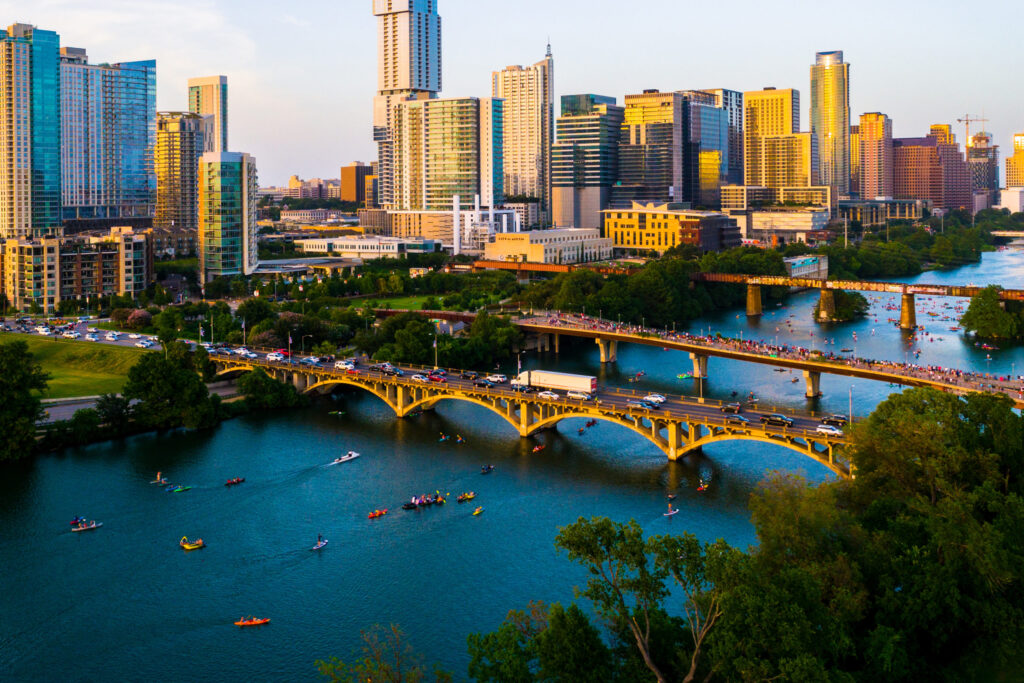
Lady Bird Johnson’s Legacy in Texas
Lady Bird Johnson reinvented what it meant to be a first lady and left a lasting legacy on the nation and on her native state of Texas.
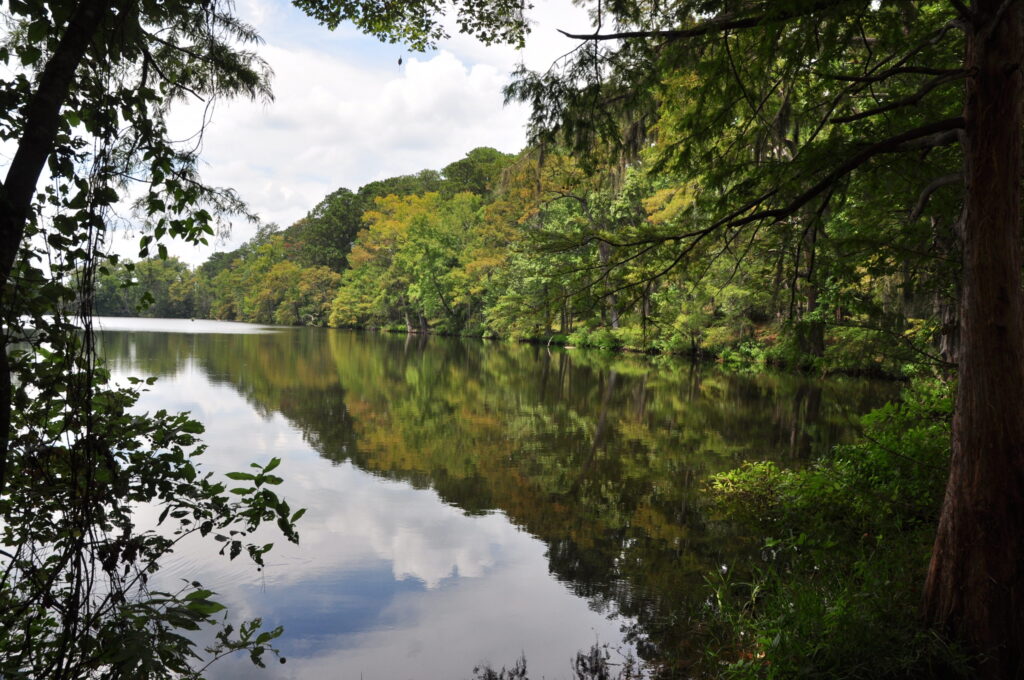
Explore the 4 National Forests in Texas
Experience the restorative beauty of our natural world.
Friday Night Lights: Texas’ Winningest High School Football Coach
For Texas’ winningest high school football coach, there’s a lot more to the game than just winning.

Start-to-Finish Thanksgiving Dinner Ideas
It’s all about the sides. And the pies. And the drinks. And the rolls.

Holly-Jolly Texas Holiday Guide
Oh, what fun!
10 Types of Camping Trips in Texas
Texas is a camper’s dreamland, with adventures ranging from rugged desert wildness to wild, untamed seashore.