
Please sign in as a member or guest below to access it.
Please sign in as a member or guest below to access it.

Protect your hard work.

The Lone Star State is home to millions of small businesses. Each business is as unique as the next, whether it’s a multigenerational, family-owned storefront along Main Street or a small startup finding its footing in a spare bedroom.
Small-business owners have a million things on their mind at any given time. The right insurance coverage can give peace of mind — and financial protection against unforeseen events — allowing small-business owners to focus on serving customers and building their legacy.
Our small-business insurance 101 guide breaks down the most common types of coverage and key considerations that help Texan business owners protect their livelihoods.

Weaving insurance into your initial business plan can help safeguard you and your budding business against different risks. Every business faces unique risks, so insurance coverage should be tailored to individual needs.
“The risks of small business run the gamut,” says Toni Rogers, an Agent in Palestine. The risks small businesses face can depend on several different factors, ranging from industry to location.
Establishing a solid working relationship with your Agent is an important first step. “Let that be part of [your] business plan,” Rogers says. “Know what your needs are before you have them.”
There are several different types of commercial insurance for small businesses, but these three policies are some of the most common types of coverage.
When building your insurance arsenal, consider these coverages too.

Annual reviews are an important part of doing business because they can catch a few things you might be overlooking such as coverage gaps or liability risk.
Small-business owners should review their coverage with their Agent at least once a year — and especially as they hit major milestones.
For example, you’d want to reach out to your Agent when upgrading your business from a DBA to an LLC. “In that case, it could change their whole policy,” Rogers says.
No two businesses are the same — industry, location, and number of employees are all factors that determine insurance needs. It’s not just about preparing for the worst-case scenario; it’s about building a strong foundation for future growth and success.
Securing the right insurance — and insurance Agent — is a proactive first step when it comes to launching a small business.
If you’re not sure where to start, your Texas Farm Bureau Insurance Agent can walk you through your small-business coverage options.
Explore a blueprint for success by learning more about these century-old Texas businesses.

The Ultimate Holiday Gift Insurance Wish List
Make a list and check it twice.

4 Ways to Build Your Rainy-Day Fund
These four tips can help you save up quickly for unexpected or unplanned expenses.
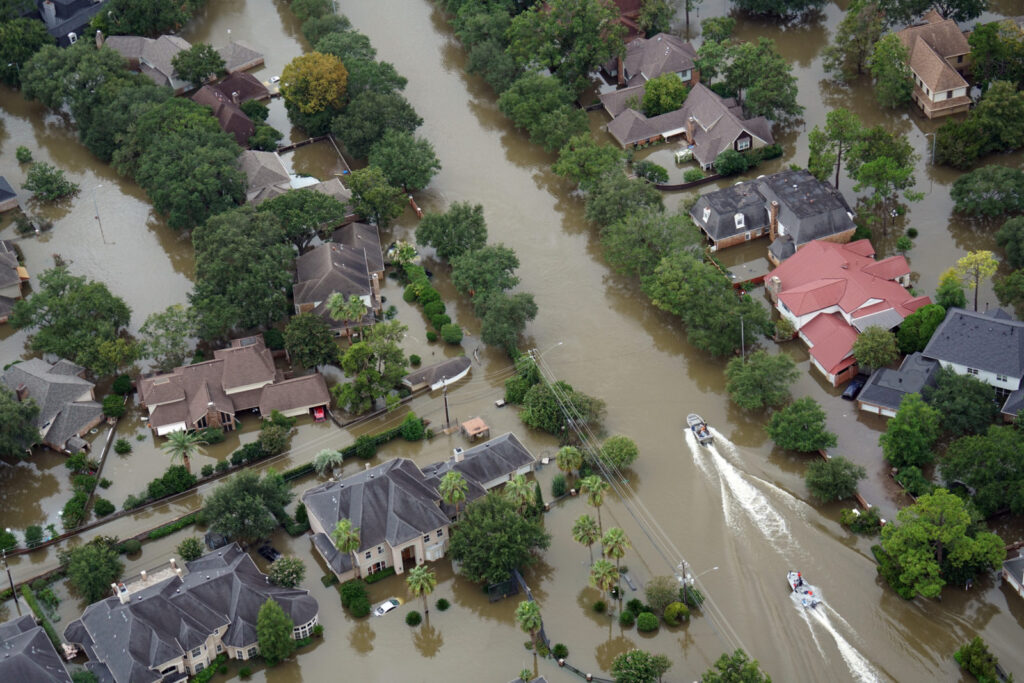
When Floodwaters Rise, What’s Covered?
After Hurricane Harvey, only 20 percent of homes were covered by flood insurance. Is your home at flood risk?

Manage Your Finances With Smart Payments
Save a tree, manage your home and finances with the click of a button (and never miss a bill).

Be a happy camper.

How Refinancing Your Home Could Affect Your Premium
Make sure you’re not saving on your mortgage but paying for it in your policy.