Please sign in as a member or guest below to access it.
Please sign in as a member or guest below to access it.

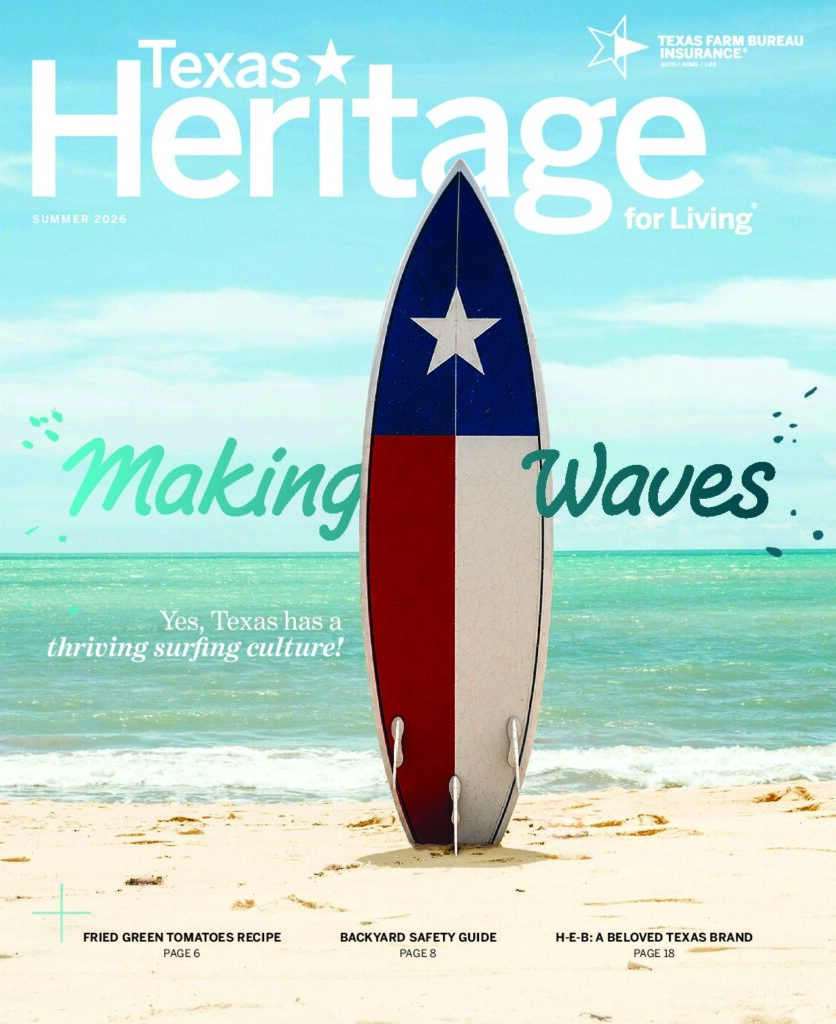
The Lone Star State has built a thriving wave-riding culture all its own — one shaped by history and heart.
At the edge of Texas, eager surfers roam the coastline, patiently scanning the horizon for waves. “Ain’t no surf in Texas,” some naysayers utter.
Texas surfers pay that no mind. Surfing in Texas is a delicate dance of patience and determination. They hit the water simply for the love of it.
While California and Hawaii dominate the surfing zeitgeist, Texas has cultivated a surf culture all its own that dates back nearly a century. Built on grit, community, and a deep connection to nature, Texas’ surfing culture is as resilient as the shoreline itself.
Dive into the history of surfing in Texas and the tight-knit community that’s ushering the state’s most overlooked sport into a new century.
Surfing has been around for thousands of years, but three Hawaiian princes first brought “surfboard swimming” to California’s northern shores in 1885 while taking a break from their studies at a Bay Area military school.
Throughout the 1950s and ’60s, the sport gained nationwide popularity — even in landlocked states — thanks to pop culture touchstones like the 1959 film “Gidget” and good vibrations from bands like The Beach Boys. Texas, bordering the Gulf, wasn’t exempt. Many Texans returning from surfcentric California and Hawaii pondered if it could be done along their home state’s sweeping coastline. They gave it a try anyway, cementing the state’s surfing community.
But Texans were testing the surf as early as the 1930s, says Texas Surf Museum President Kelly Daugherty. It all started in Galveston with two budding legends: deaf lifeguard LeRoy Colombo, who would save more than 900 people throughout his nearly 50-year career, and Dorian “Doc” Paskowitz, the eventual patriarch of the “First Family of Surfing.”
Some merchant mariners, who’d hoped to catch some waves while in town, gave a young Paskowitz a large, hollow board. Knowing he couldn’t take it home, Paskowitz left the board at Colombo’s lifeguard stand with the understanding that Colombo would help him learn to “catch waves” on it.
“That was the birth of surfing in Texas,” Daugherty says.
Since that catalytic moment, Texas surfing has been shaped by pioneers whose influence still ripples across the Coastal Bend. Early trailblazers, including Mickey Bishop, Mack Blaker, and Henry Fry, helped establish the sport in unlikely waters, while figures such as John Olvey, Tippy Kelley, RoxAnne Schlabach, and Morgan Faulkner carried that legacy forward.
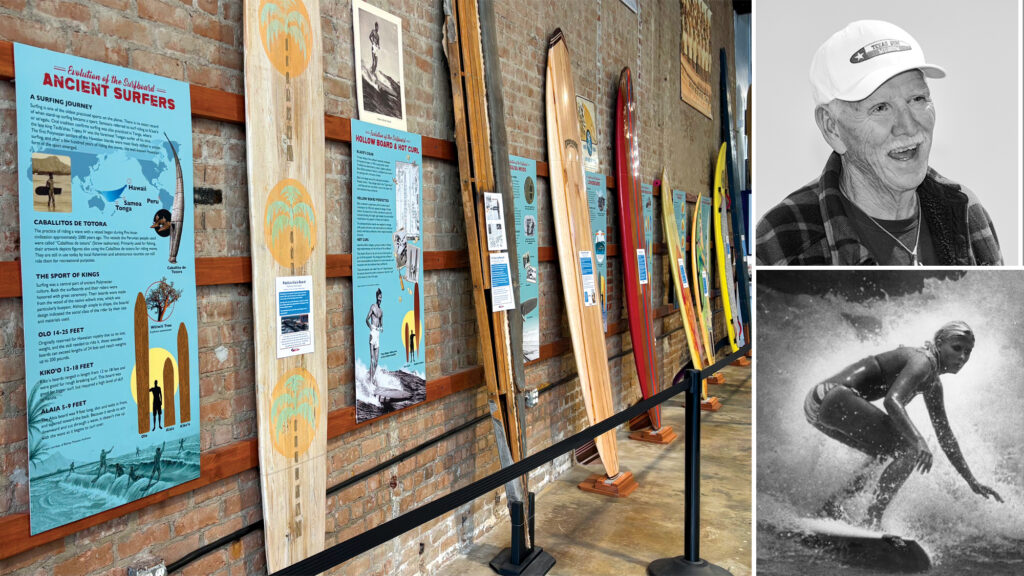
The Texas Surf Museum, which opened in February 2025 in Galveston’s historic Strand District, is a labor of love among some of the community’s most dedicated members and surfers. Daugherty herself is an accomplished surfer, having secured the 1982 Texas State Champion title. Longtime surfers, including 1977 U.S. Women’s Champion Karen Mackay and fifth-generation Galvestonian Jeff Seinsheimer, sit on the museum’s board.
Together, they’re preserving the state’s surfing history while educating the masses about Texas surf culture and conservation efforts. “I’d like to think that all surfers are stewards of the ocean,” Daugherty says. “We need to protect our waterways and our beaches.”
The Texas Surf Museum grew out of founder Albert Brown’s extensive and impressive collection of surfboards and Texas surfing memorabilia, which he’d contributed to the Corpus Christi surf museum that closed in 2022. Brown dreamed of a museum that would better represent the upper Texas coast. “We have a big coastline, and there is a difference between the surf in South Texas and the surf in Galveston and Surfside,” Daugherty says.
Over several years, Brown spearheaded interest in a “sister museum” in Galveston through fundraising and grassroots outreach efforts, which is how Daugherty became involved. Despite COVID-19-related setbacks, Brown and a small army of supporters pressed on, eventually securing a lease and renovating the long-vacant building through volunteer and community support — and a lot of sweat equity.
Now, the museum welcomes visitors with three levels of diverse exhibits, including a long brick wall illustrating the history of surfboards, most of which are Texas-made. Rotating exhibits and special events fill out the museum’s calendar.
Texas is known for smaller, inconsistent waves that break over constantly shifting sandbars. This geography creates an unpredictable daily challenge. Hurricanes, however, bring world-class waves to the coast, tempting Texas surfers into the Gulf as others are battening down the hatches.
“We kind of feel like, in Texas, we get the short end of the stick in terms of wave quality and size,” says surfer Morgan Faulkner. “But we’re still out there regardless.”
Faulkner started surfing at age 8 in the waters of Port Aransas. Now 40, he’s a pro surfer — with a long-standing relationship
with surf clothing company Quicksilver — and a two-time U.S. Champion and 36-time Texas State Champion.
“You definitely have to be resilient, but that’s probably equally as relevant for other places around the world,” Faulkner says. “I guess a different mindset would be being able to drop your standards and … have fun on smaller waves that others might not think are quality.”
Faulkner and other Texas surfers pour that perspective into tanker surfing, an extreme, niche sport in which surfers ride the massive, long-distance wakes created by large cargo ships and tankers found in Galveston Bay.
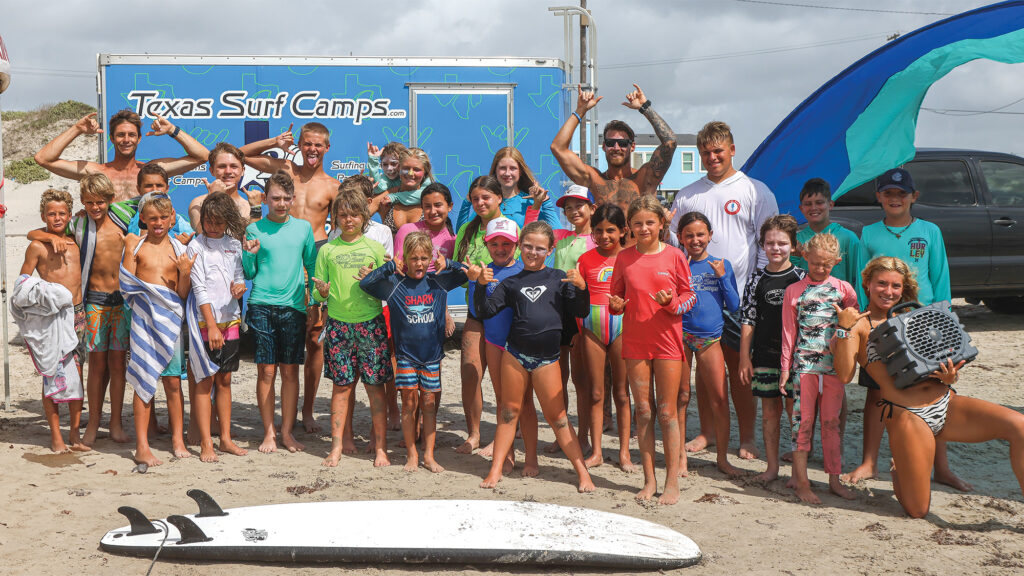
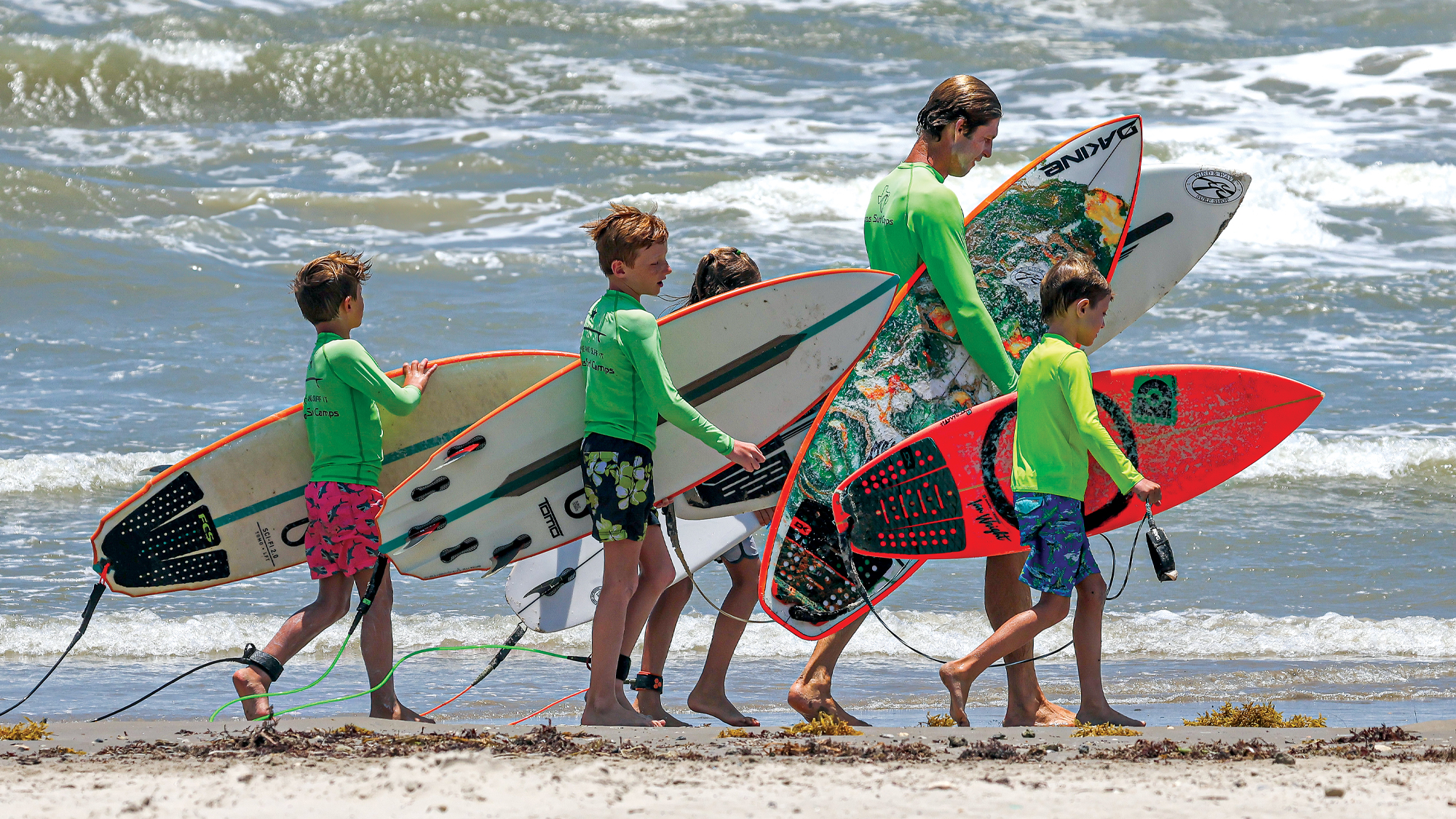
Surfing competitions and businesses along the coast — like Faulkner’s pro-run Texas Surf Camps — are driving interest and attention toward surfing in Texas. They’re also breathing new life into the community.
“I think [the camps have] brought a lot of people into the surfing fold [who] would never have really been exposed to it other than maybe on TV,” Faulkner says. “We get kids from all over Texas and then way beyond that as well.”
Daugherty says Texas’ surfing community is “still going pretty strong,” further strengthened by the volunteer-run Texas Gulf Surfing Association’s competitions that run from Surfside to South Padre Island.
Faulkner’s Texas Surf Camps recently kicked off the Lone Star Surf Series, with dates stretching from March through November.
Faulker and his wife (and fellow surfer) Brittany have run Texas Surf Camps for more than two decades, helping cultivate and guide the next generation of Texas surfers. People from across the country — and world — flock to Port A and Corpus Christi to learn from the camp. Daugherty and Faulkner have a shared love of seeing young Texans get involved in the sport.
“Exposing the youth to [surfing] is really cool,” Faulkner says. “Part of it is just trying to build something that we wish we had [growing up] to pass on to the next generation.”
For many surfers, riding the waves — or making the best of a lacking swell — becomes a part of who they are.
“A lot of times, surfing is kind of one of those things,” Daugherty says. “It gets in your blood, and once you start doing it, you just want to keep doing it.”
Catch waves along the Texas coast at these surfing hot spots.
Boca Chica Beach: Find the occasional barrel waves when the swells are strong.
Corpus Christi: Bob Hall Pier serves up a reliable surf.
Port Aransas: Currents from the Gulf create promising conditions nearly year-round. Warmer temps make this an ideal spot for beginners.
South Padre Island: Head for the jetties for gentle, beach-breaking waves. Make time for Port Isabel too.
Surfside Beach: A variety of waves creates an inclusive experience for a range of skill levels.
Can’t make it to the coast? Waco Surf in Central Texas has you covered. The park’s approximately 2-acre artificial surf lagoon is generating national attention — despite being some 200 miles from the nearest ocean. More than 2,000 “perfect” waves are guaranteed every day in a safe, controlled environment. Even pro surfers outside of Texas are singing the praises of the “dependably good” waves. No wet suit or surfboard? No problem. Park staff will help you with a rental.
Explore seven of Texas’ most scenic barrier islands while in search of surf-worthy waves.
When Was the First Thanksgiving? It Might Have Been in Texas
Decades before the Mayflower set sail for Plymouth Rock, colonists gave thanks in Texas.

6 Classic Texas Books for Story Time
Cozy up for a trip through Texas history.
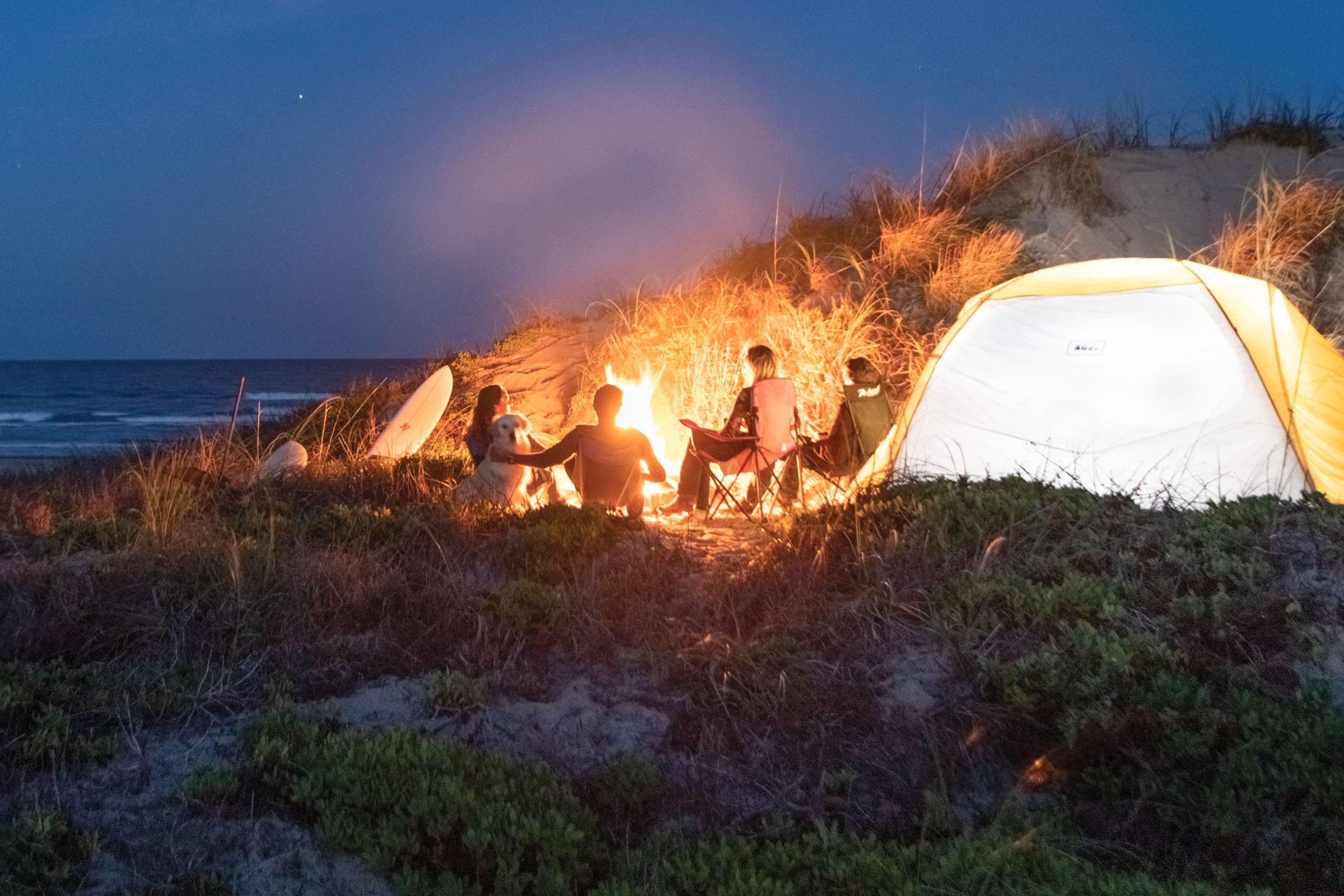
The 12 Best Beach Camping Spots in Texas
With 360 miles of coastline, Texas is a beach lover’s paradise. Even better, it’s free to camp on many of these miles of sandy beaches.
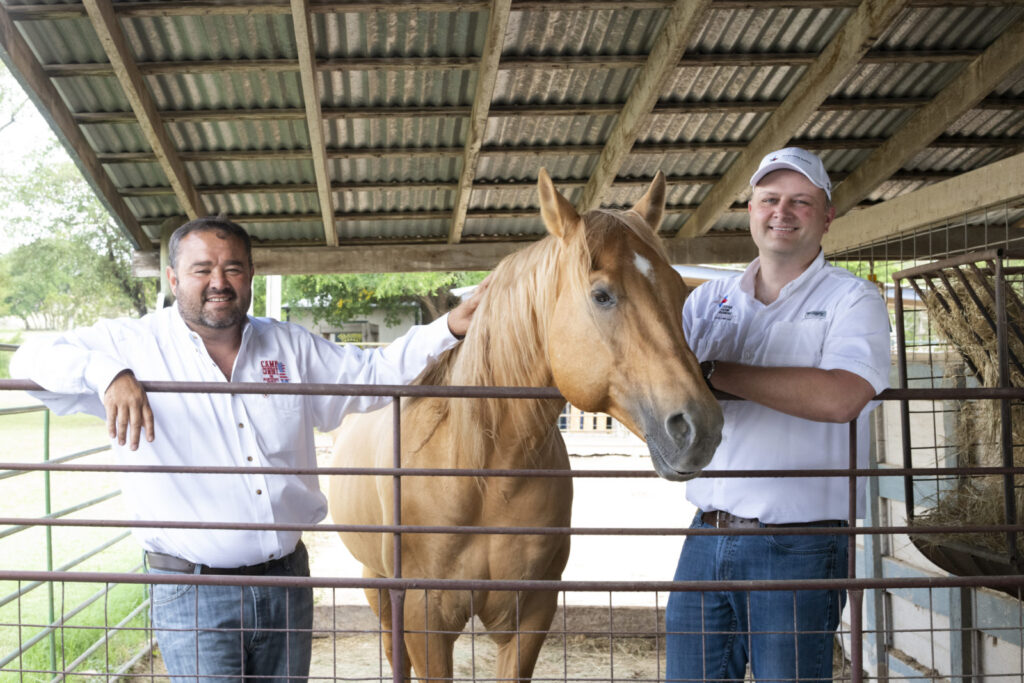
Veterans Say Camp Cowboy Turns Lives Around
For many veterans, the real struggle begins after they leave the service.

How to Become a Backyard Birdwatcher in Texas
Pick up a book and binoculars, and you’re on your way.

Texas Titans: H.L. Hunt, Legendary Oil Tycoon
He turned a $50 loan into a $2 billion fortune.