
Please sign in as a member or guest below to access it.
Please sign in as a member or guest below to access it.

From seashells to sea glass, here’s a field guide to beachcombing along Texas’ 367-mile coastline.

Stretching more than 350 miles, Texas’ expansive, constantly shifting coastline is full of surprises. Each tide leaves behind a new world to discover, making Texas beaches a beachcomber’s paradise.
Coastal parks and wind-battered barrier islands are full of natural treasures for those who know how and where to look. Before you hit Texas’ beaches, know what to expect, where to go, and how to keep the environment in mind.
Beachcombing is the act of searching shorelines for objects that are both natural and human-made. Some see beachcombing as a low-impact, therapeutic hobby that offers access to fresh air and a hands-on way to explore, and appreciate, coastal ecosystems. Some beachcombers save their treasures for crafting or art.

There’s no shortage of beaches to comb along the Texas coast, but these are some beachcomber favorites.
No two walks are ever the same when it comes to beachcombing. Of course, you’ll come across marine debris or trash. But the real gems await the most patient beachcombers. You may find some, or all, of the following:
Be a gracious guest by knowing what you can — and can’t — collect. Before you visit, check for any rules or regulations. For example, in Padre Island National Seashore, it’s illegal to collect any natural or cultural resources from the park — except for seashells and sea beans.
Keep an eye out for Texas wildlife too. Depending on where you are, you might see everything from spotted ground squirrels and ghost crabs to laughing gulls and willets.
Time your trip to South Padre Island just right and you could have a front-row seat as baby sea turtle hatchlings make their way back to the sea. Typically, hatchling releases occur from mid-June through August.
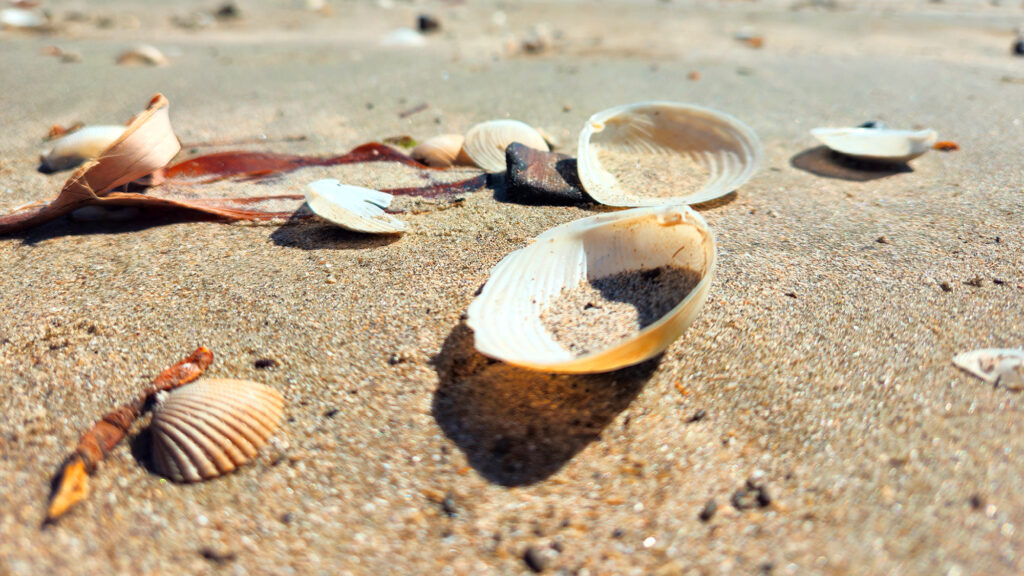
For the best results, head out at dawn during low tide or after a storm. Low tide gives more access to the beach, while storms wash potential treasures ashore.
Make sure to keep yourself and your loved ones safe by what to do in heat emergencies. Have the following on hand before your beachcombing adventure:
Comb the beaches of one of Texas’ most popular barrier islands.
A Day on the Farm at Horizon Dairy
For a dairy farmer, no day is ever the same. Meet the lifelong farming family in Central Texas who runs Horizon Dairy.
A Traveler’s Guide to Nature Preserves in Texas
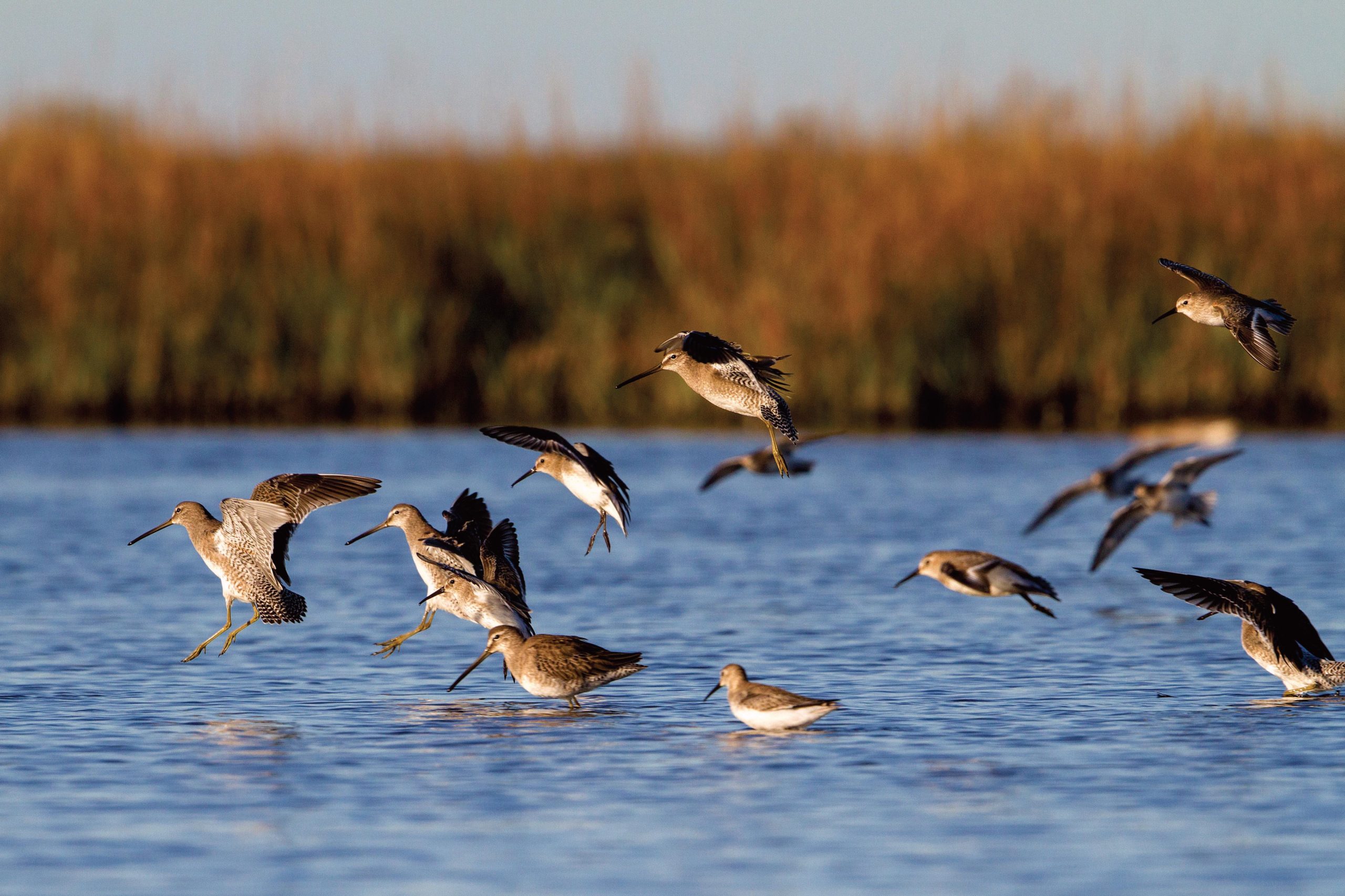
The pristine beauty of Texas’ diverse ecological systems are on display in these incredible preserves, where visitors can experience what Texas has looked like for thousands of years.

A Guide to Going Back to School After a Year at Home
This will be a school year unlike any other. Plan ahead.

Charming, cozy, and cute.
The Best Little Texas Bed-and-breakfasts
Find exactly what you need for a quiet weekend away.
11 Unique Texas Vacation Rentals
Stay awhile.