Please sign in as a member or guest below to access it.
Please sign in as a member or guest below to access it.

Get ahead of Old Man Winter with these tips.
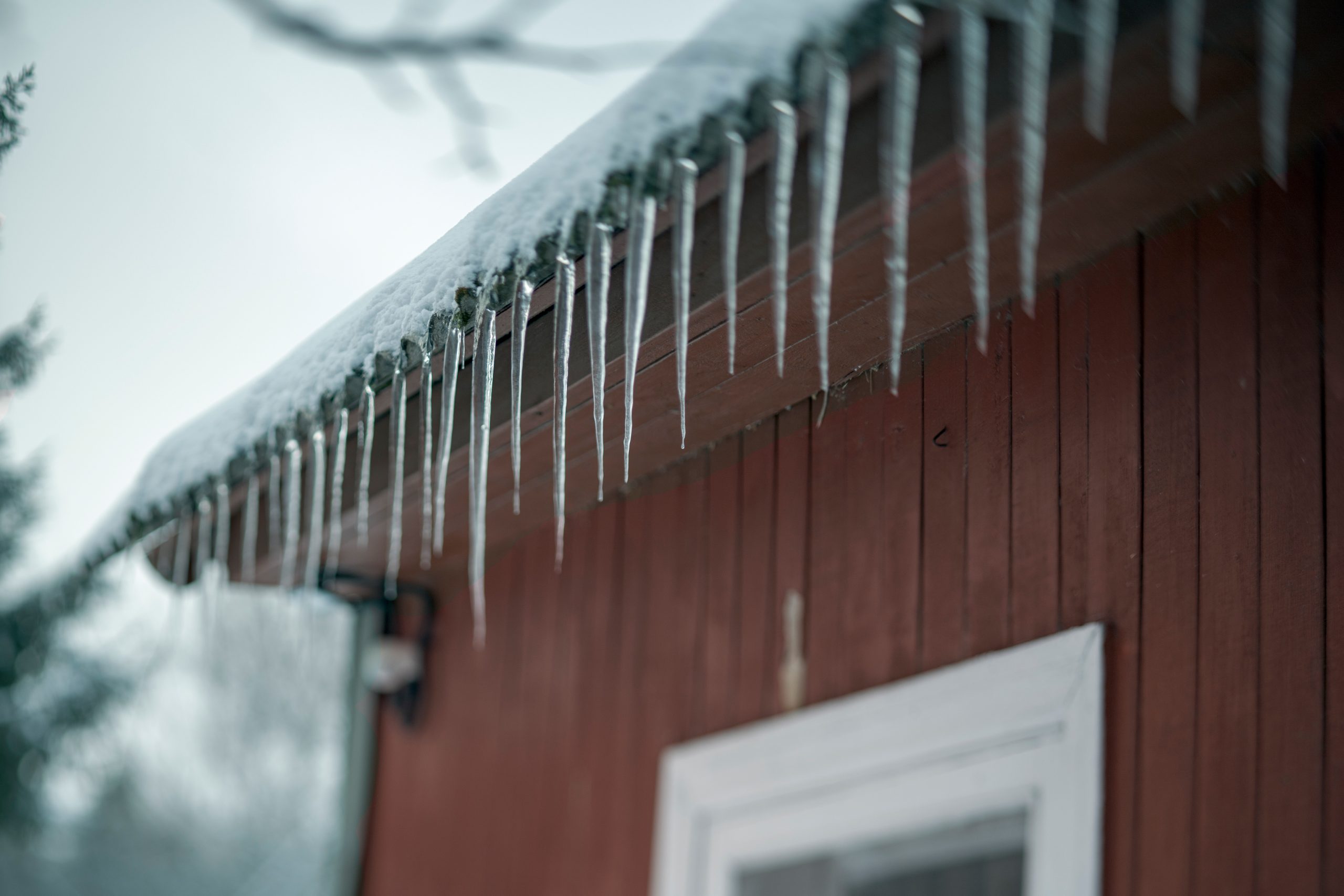
By the time fall rolls around, most Texans are so grateful for a reprieve from triple-digit days that they aren’t thinking ahead to the colder months. Winterizing your home may seem like a foreign concept, a task better suited for our friends up North. But over the past few years, Old Man Winter has shown that Texas isn’t exempt from extreme cold, snow, and ice — or the damage that comes with it. (Take a look at Texas’ top winter weather claims by region.)
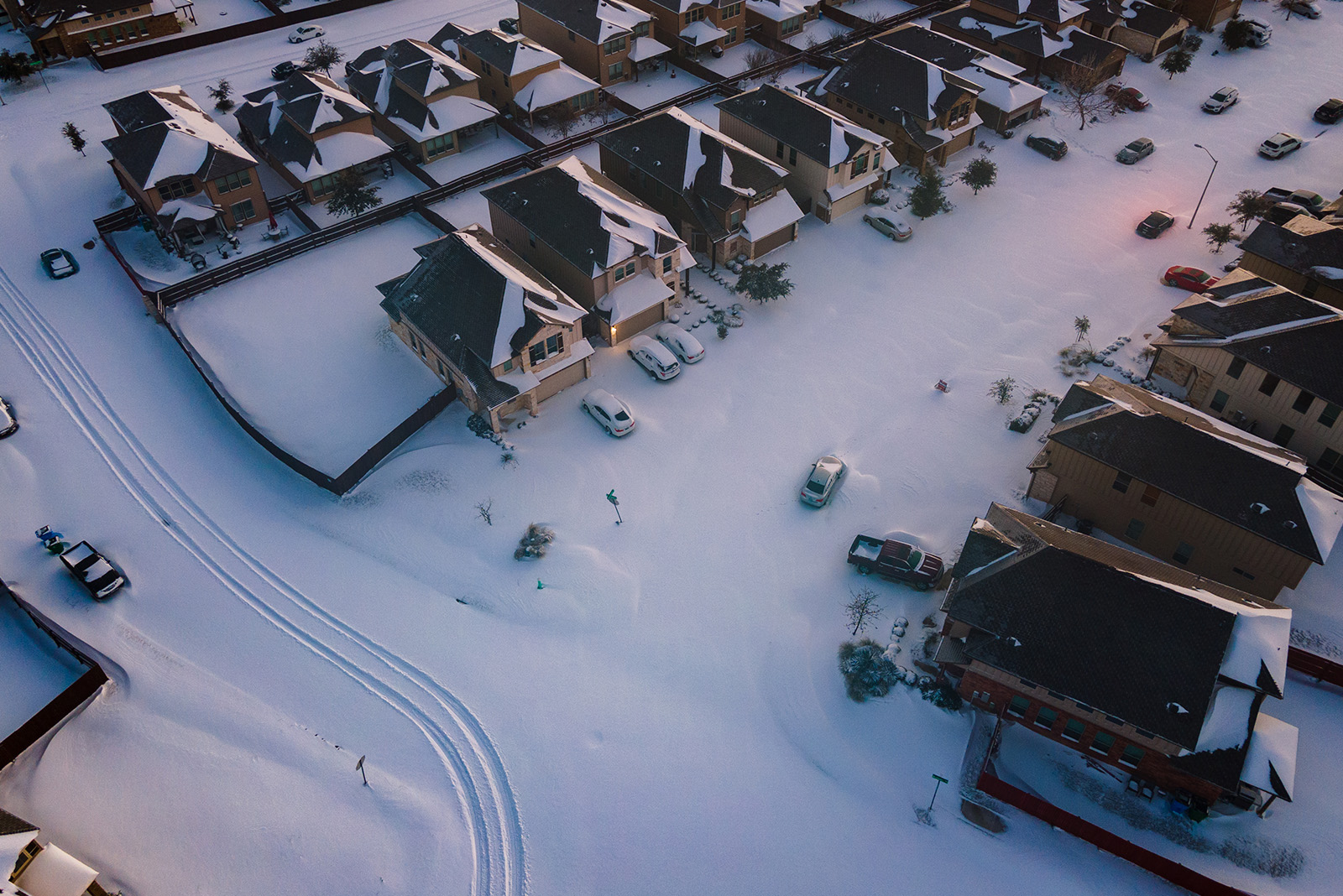
Winterizing can help prepare your home for Texas’ next winter storm, but it can also help lower your energy bills. Another selling point is that winterizing home prep can help prevent certain damage that can sometimes be avoided. Think: burst pipes, a sunken roof, or shattered windows.
The best time for winterize home prep is before the cold weather arrives. In Texas, that makes late October and November the best time to tackle winterizing tasks, but it’s never too late to check off some of these items. We’ve rounded up some of our best advice to help winterize your home.
Keeping your fireplace and chimney in working order is important for warmth — and fire safety. Regularly cleaning your chimney can ensure it’s in good working shape. It’s time to have a professional inspect your space if you see visible cracks in the chimney or experience smoke backing up into the room when the fireplace is in use.
Keeping your home warm during the winter months may require a little weekend maintenance and a few upgrades, but it’ll be worth it in the long run. Some common tasks include:
Caulking specific areas of your home can also keep drafts — and pests — out of your space during the winter months while preventing water damage. Inspect these areas to see if they could benefit from a quick caulk:
Cold, rainy weather can lead to slippery surfaces and ice liabilities. Keep an eye out for hazardous conditions. Prep your home’s sidewalks, steps, and driveway for ice by laying out cat litter, wood ash, or sand or gravel to create traction.
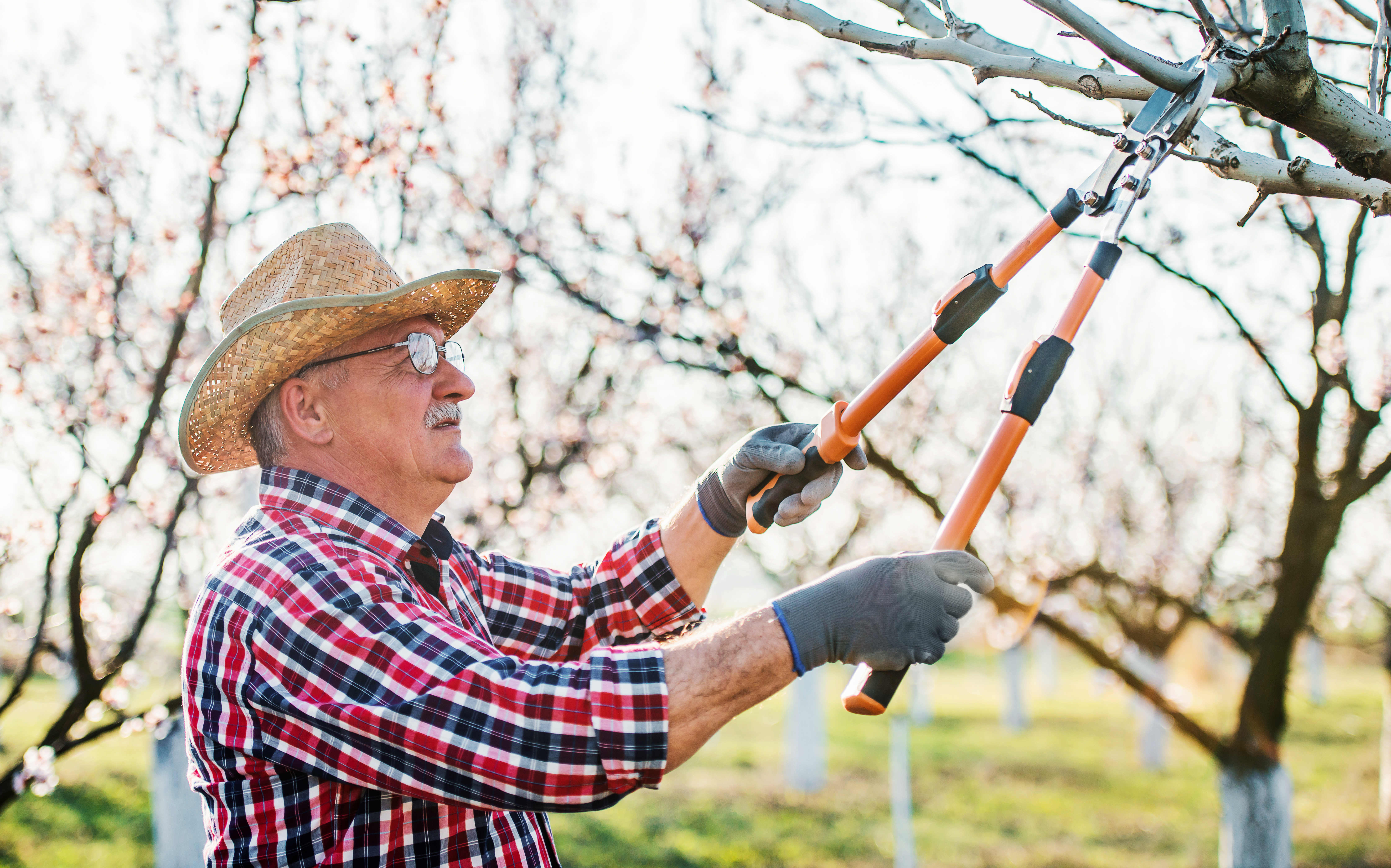
Effective winterizing work starts outside the home by inspecting your roof, clearing out gutters, and trimming trees. Now’s the perfect time to check for missing shingles or weak spots in your roof’s structure. You don’t want to leave your roof vulnerable to leaks or damage from the weight of accumulated ice and/or snow.
Come summer, your pool is the focal point of your backyard paradise. Keep it in tip-top shape by winterizing it. If you decide not to cover your pool, make sure to skim debris a couple of times a week, check the water level weekly, and add algaecide monthly. Learn more about winterizing your pool.

If you have a vacation home, like an Airbnb or lake house, give it the same TLC treatment. Winterizing your vacation property will ensure it’s ready to host barbecues and other weekend getaways with family and friends.
Winterizing your home can save you some insurance-related headaches down the line. Check out our complete guide to winterizing your home, from safely using space heaters to how to prep your garage.
Don’t leave your cars out in the cold. Learn how to winterize your vehicle for the long winter days ahead.
Our 5 Gorgeous Garden Photo Contest Winners
Find out what photos made the final cut.
Add some festivity to your home with these beautiful, seasonal arrangements.
6 Steps to Sustainable Living at Home
Making sustainability a priority in your home improvements is an investment in your future.
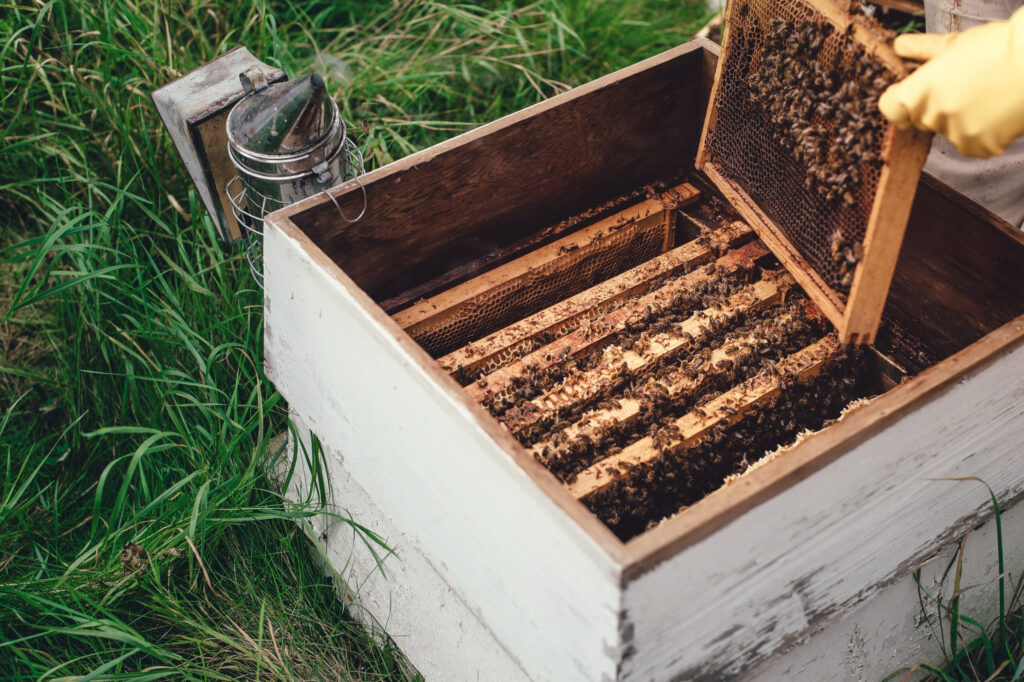
A Beginner’s Guide to Backyard Beekeeping
You don’t have to go full-on apiarist to keep some bees and make your own honey in your backyard. Here’s a beginner’s guide.
A Guide to Texas’ Gardening Zones
Knowing your zone is the easiest way to effectively plan your garden.
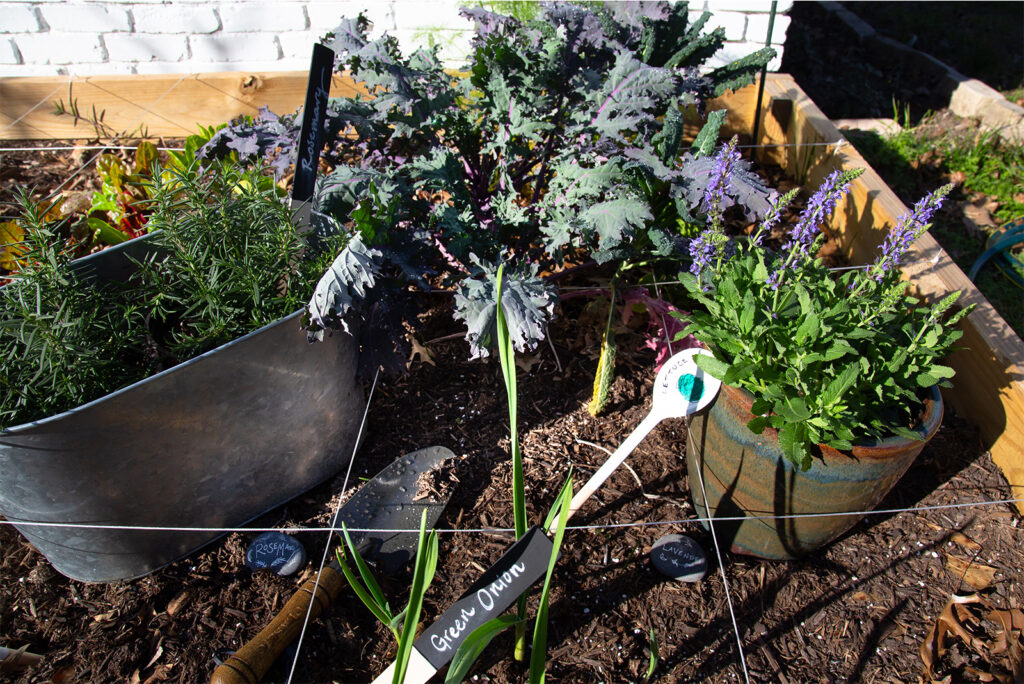
Never again wonder what it was that you planted.