Please sign in as a member or guest below to access it.
Please sign in as a member or guest below to access it.

New Year’s resolution: a healthier and safer home.
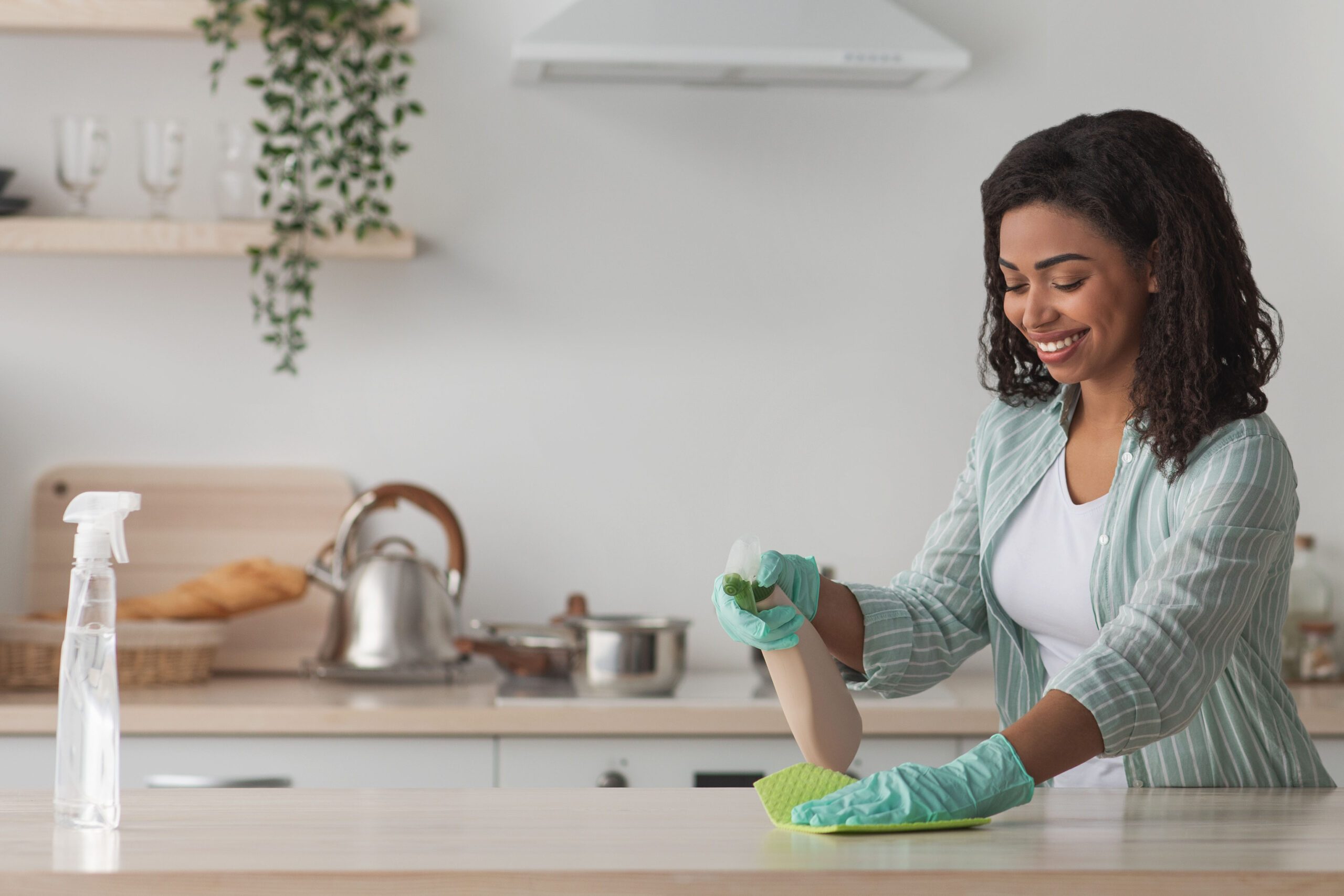
Is your New Year’s resolution to keep your home healthier and safer? Here’s a look at how to reduce toxins in your home.
Many manufacturers use toxic substances to produce their cookware, including chemicals that negatively affect multiple organ systems. Educating yourself on these manufacturing practices will help keep you and your family safe. Fortunately, there are many safe alternatives to this dangerous cookware.
What to avoid: Teflon (PTFE), perfluorooctanoic acid (PFOA), brominated flame retardants (BFRs), polystyrene, BPA, and lead are a handful of the most harmful chemicals used in cookware and should always be avoided. Production of these chemicals also has a massively dangerous impact on the environment when manufactures discard the waste. An easy way to determine if something is safe is to see if it passes California’s Proposition 65 standards.
What’s safe: Glass, wood, bamboo, stainless steel, stoneware, and cast iron are among the safest cookware materials. Using beeswax wraps for food storage, wooden or bamboo cooking utensils, glass or bamboo food containers, stainless steel or glass water bottles, cast iron pans, stainless steel pots, stainless steel utensils, and stoneware, unglazed ceramic, or glass bakeware will all help you reduce toxins in your home and stay environmentally friendly.
Many prefer to avoid using harsh chemicals to clean their living space in favor of more natural alternatives. It is not only better for your housekeeping but is also quite economical. You can safely make most cleaning products and cosmetics with simple ingredients like vinegar, baking soda, and essential oils (tea tree, lavender, eucalyptus, and lemon are best). Note that you should never combine hydrogen peroxide and vinegar.
One of the most common and overlooked ways that toxins enter our bodies is not through what we clean with or consume but through the air we breathe. Minding the air quality in your home is the most crucial step in how to reduce toxins in your home.
Now that you know how to reduce toxins in your home, consider creating an annual home cleaning schedule to ensure no area of your home gets overlooked.
Here birdy, birdy, birdy.
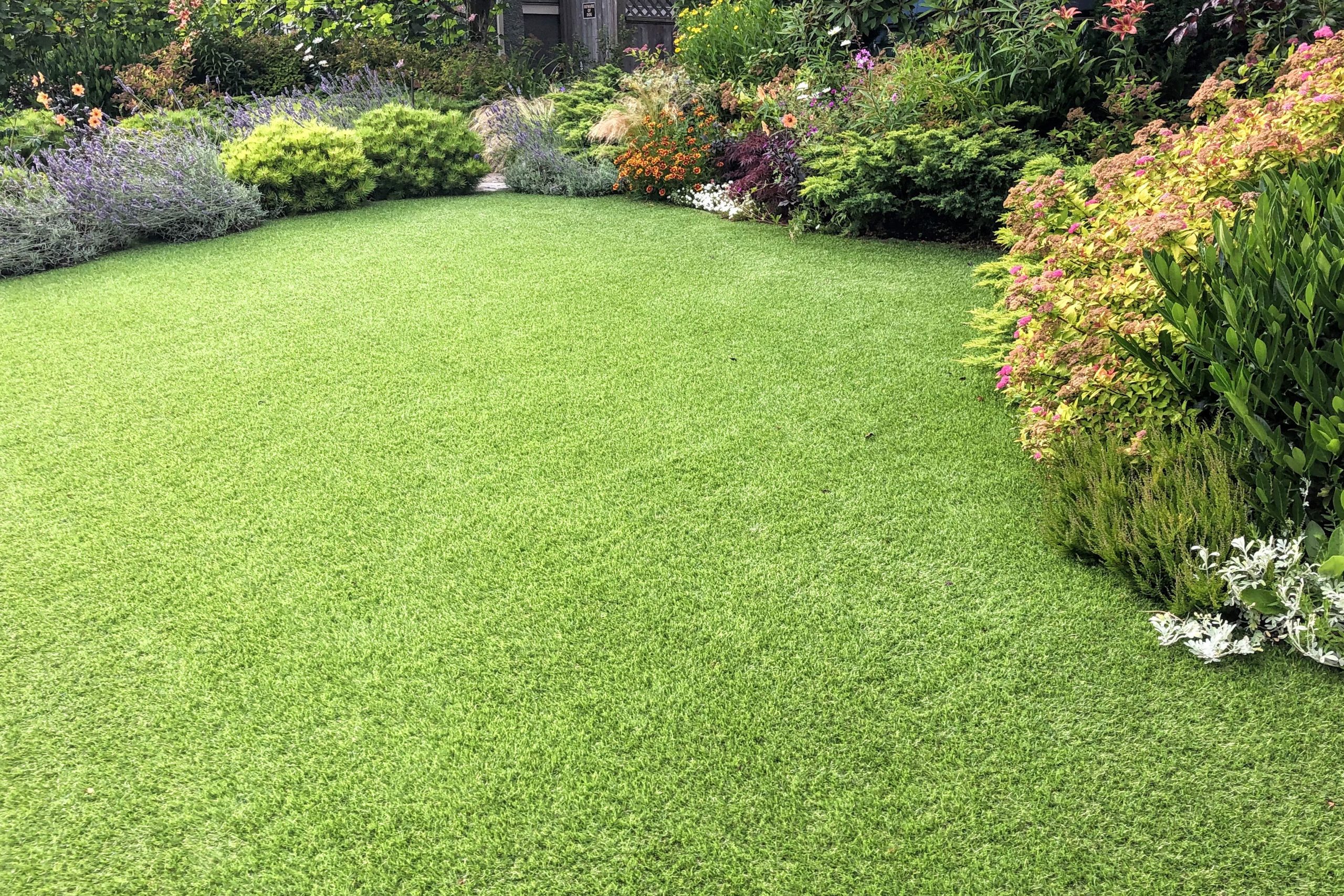
Tempted to Try Artificial Grass? Here’s What You Need to Know
New varieties of artificial grass look just like the real thing with minimal fuss (and watering).
How to Protect Your Garden from a Texas-Sized Freeze
Keep your landscaping safe and warm the next time freezing temperatures hit Texas soil.
Keep them in tip-top shape for years to come.
Keep the focal point of your backyard oasis in pristine condition.
Keep energy bills down and the hot water on.