Please sign in as a member or guest below to access it.
Please sign in as a member or guest below to access it.

Can you say Bexar, Boerne, Bowie, and Buda?
Whether
you were born here or you got here as fast as you could, you probably take
pride in the fact (or you quickly learn) that Texas has its own language.
Even
for Stetson-wearing, two-stepping Texans fluent in the finer nuances of Lone
Star speak, it’s worth brushing up on the linguistic particularities and
peculiarities of the Texas dialect. So even if this ain’t your first rodeo, hang
on and brush up on some of the finer points of Texas slang.
You’ve
been around the block. You’ve seen it before. You’re a veteran. Experienced.
Know your stuff. Won’t be fooled. Have a handle on the situation. Whatever way
you wish to convey that you’ve been there, done that, in Texas it’s all summed
up in the phrase, “ain’t my first rodeo.”
Kind
of like, you talk the talk but you can’t walk the walk.
“Y’all,”
of course, means you all. But you all could mean you all over here. “All y’all”
means everyone’s included; not just y’all over there, but all y’all. The phrase
epitomizes the efficiency of Texan.
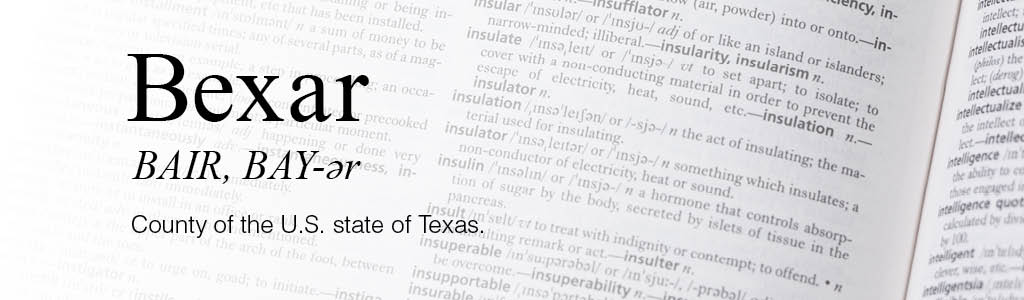
Perhaps the easiest way to test someone’s Texas credentials is to ask them to name the county that’s home to San Antonio. If what they say doesn’t sound like the word “bear,” then you know they ain’t from around these parts.
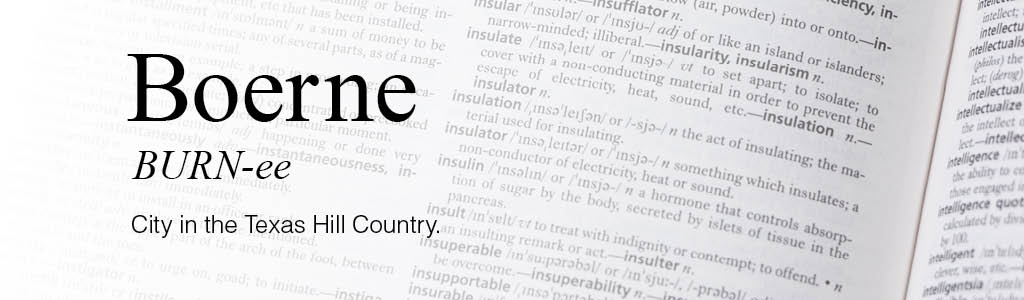
Here’s
another tough one. It’s not Boerne like you’re born there. It’s Boerne like the
name Bernie.
These
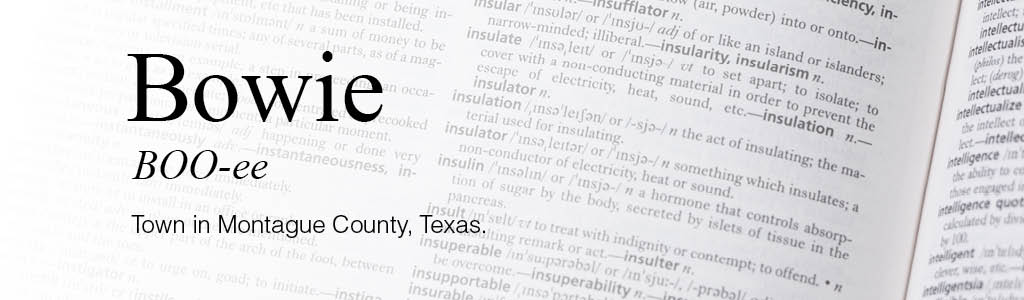
B towns are tough. It’s not named after David Bowie. It’s named after Jim
Bowie, who died at the Alamo. And his name is pronounced like the word buoy. Why? That’s just the way it is.
Told
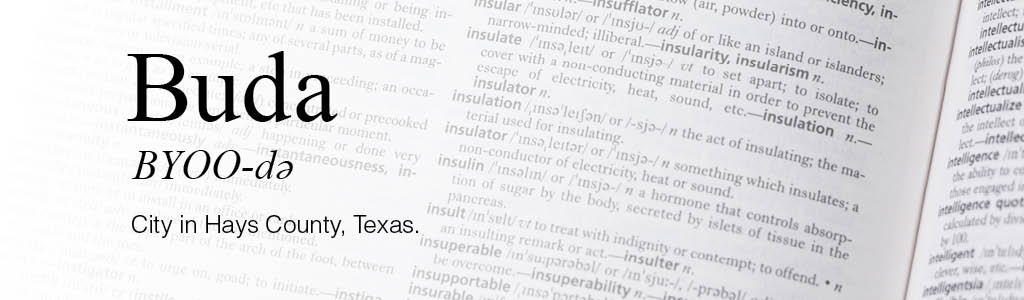
you. It’s not like the Buddha. It’s more like the first part of “beautiful.”
A
certain hit AMC television show has recently popularized the phrase “breaking
bad.” But in Texas, we have long used “broke bad” to describe someone who came
from a good family but didn’t turn out right. The phrase originates from the
training of animals, such as a broke horse that turned out wild or bad.
It’s
not soda. It’s not pop. It’s Coke. But Coke doesn’t just mean Coke. It could be
a Sprite or a Dr Pepper or a 7 Up. All soft drinks are Cokes. So if you’re
ordering a soft drink at the Dairy Queen and you ask for a Coke, don’t be
surprised if the clerk asks, “What kind?”
Sure,
that large steer-riding hunk in the cowboy hat and Wranglers may be “beefy,”
but in Texas, we call our fit neighbors “corn-fed.”
To
the non-native, listening to a Texan speak can sometimes be confusing. For
example, why are Texans always repairing things? Of course, they don’t know
that “fixin’ to” means “getting ready to” or “preparing to,” as in, “I’m fixin’
to send you back to school so you can speak Texan right.”
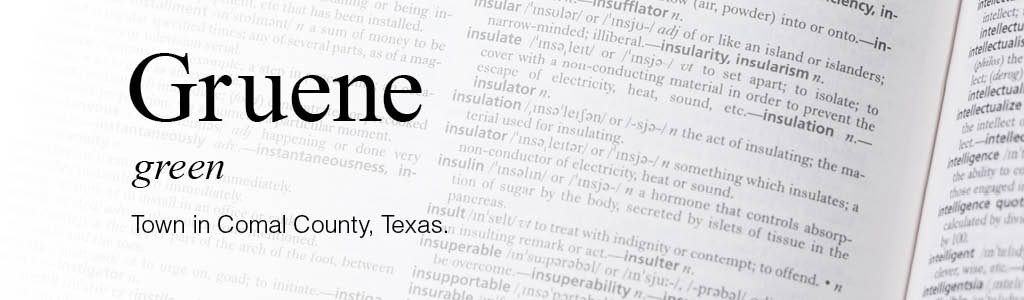
Gruene, Texas, is home to the incomparable Gruene Hall. Yet most people still say its name wrong. Unfortunately, the dance hall is not named Gruene rhyming with tunes that are played there. It’s Gruene as in the green grass outside.
Perhaps
the best-known Texas slang is the word for hello. More accurately, it’s a
shortened version of “How do you do?” But it’s not a question and it’s not
reserved for cowboys. When you greet someone in Texas, a simple “howdy” is all
you need.
Just
as the term “ice house” harkens back to a certain kind of store or waterhole,
dating back to a simpler time when ice distributors sold all sorts of necessary
household items, the ice box is the place where you store your perishables.
That is, the fridge.
While most of the country may hear “uh-huh” as a half-hearted expression of agreement, in Texas, “uh-huh” can also mean “you’re welcome.” So, if you’re out in the Hill Country and you thank the pitmaster at your favorite barbecue joint for lunch, and all he says is a simple “uh-huh,” don’t take it as a brush-off. The response is a perfectly polite “you’re welcome.”
Libel’ta
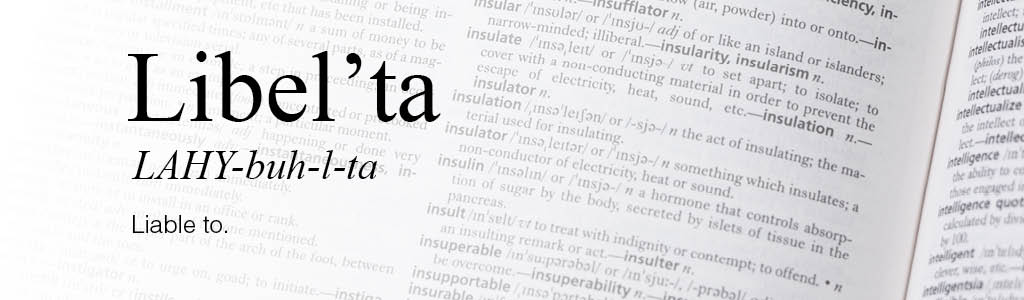
falls in the tradition of efficiency in Texas slang. It means “liable to” or
“likely to.” For example, a Texan is libel’ta drop unnecessary syllables from
their words.

Pronounced
Refugio with “fury” in the middle. Not “fuge” rhyming with “huge” or “fug”
rhyming with “hug.”
The
skeeters get bad in parts of Texas, especially in the swampier, more humid
southeast. Skeeters meaning mosquitos, naturally. Because who needs all those syllables?
It’s not hot and it’s not bitter. In Texas, ordering a tea will get you a frosty iced beverage sweeter than honey from a bee.
In other parts of the country it rains cats and dogs, but in Texas, a heavy downpour is a “toad choker.” Makes sense in a state where rivers flood frequently and with little warning. So, next time it’s a toad choker — or, alternatively, a “frog strangler” — you know to be careful out there.
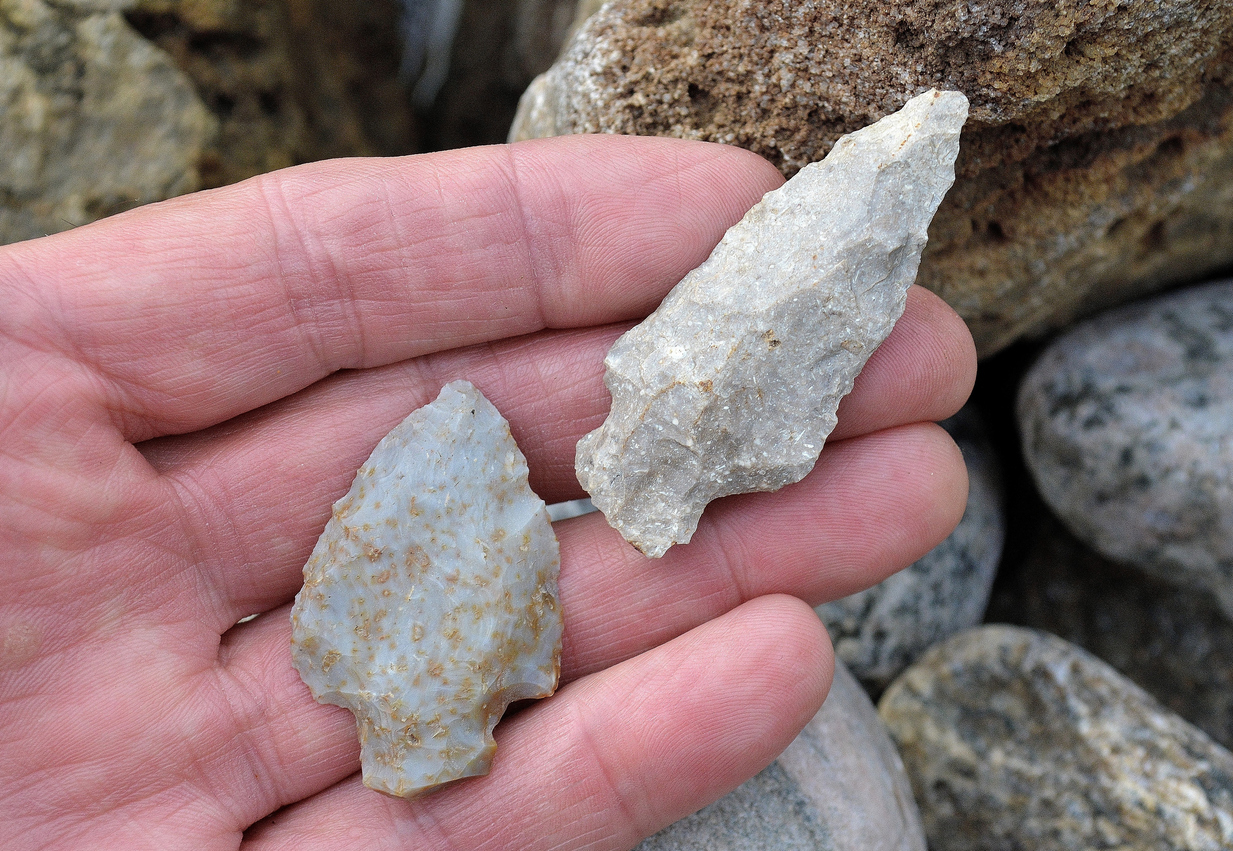
Where to Find Arrowheads in Texas
Junior archaeologists will have a blast scouring the Texas landscape in hopes of unearthing a piece of the past.
Find Texas-sized local fun.
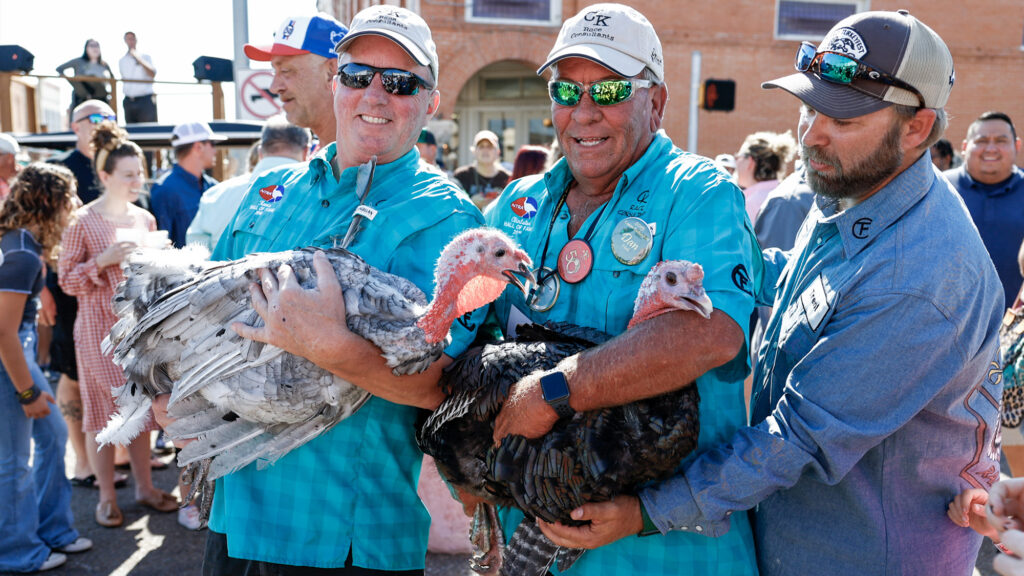
The History of Texas’ Quirky Turkey Drives
Why did 10,000 Texas turkeys cross the road? To catch their train in Cuero.
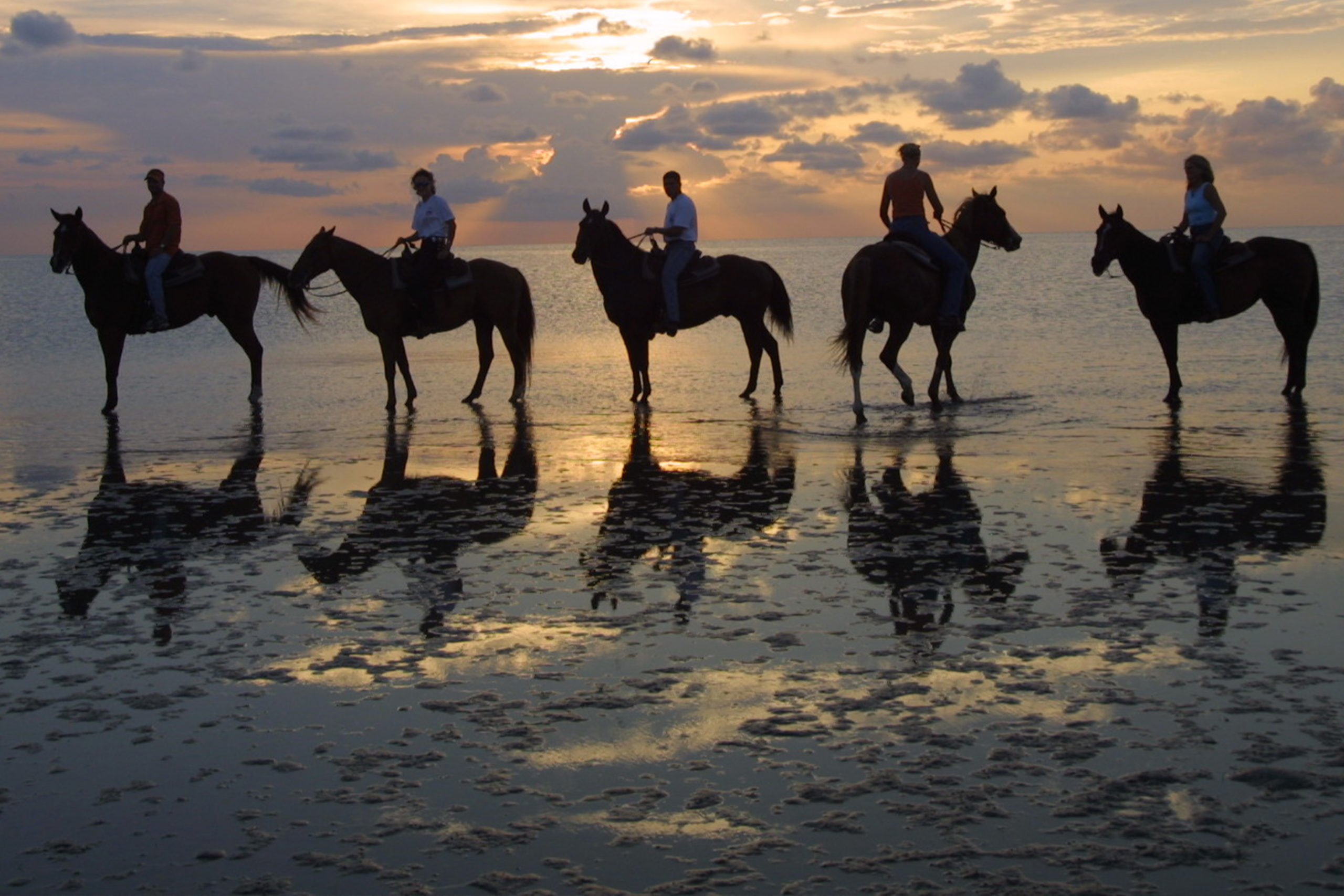
10 Ways to Explore Texas on Horseback
These are the best places to see Texas from a whole new vantage point.

The Ultimate Road Trip Playlist by Texans, for Texans
There is nothing more important to a good Texas road trip than finding the perfect playlist.
The 12 Best Beach Camping Spots in Texas
With 360 miles of coastline, Texas is a beach lover’s paradise. Even better, it’s free to camp on many of these miles of sandy beaches.