
Please sign in as a member or guest below to access it.
Please sign in as a member or guest below to access it.

Late winter is the perfect time to plant pear and stone fruit trees in Texas. Here’s how.
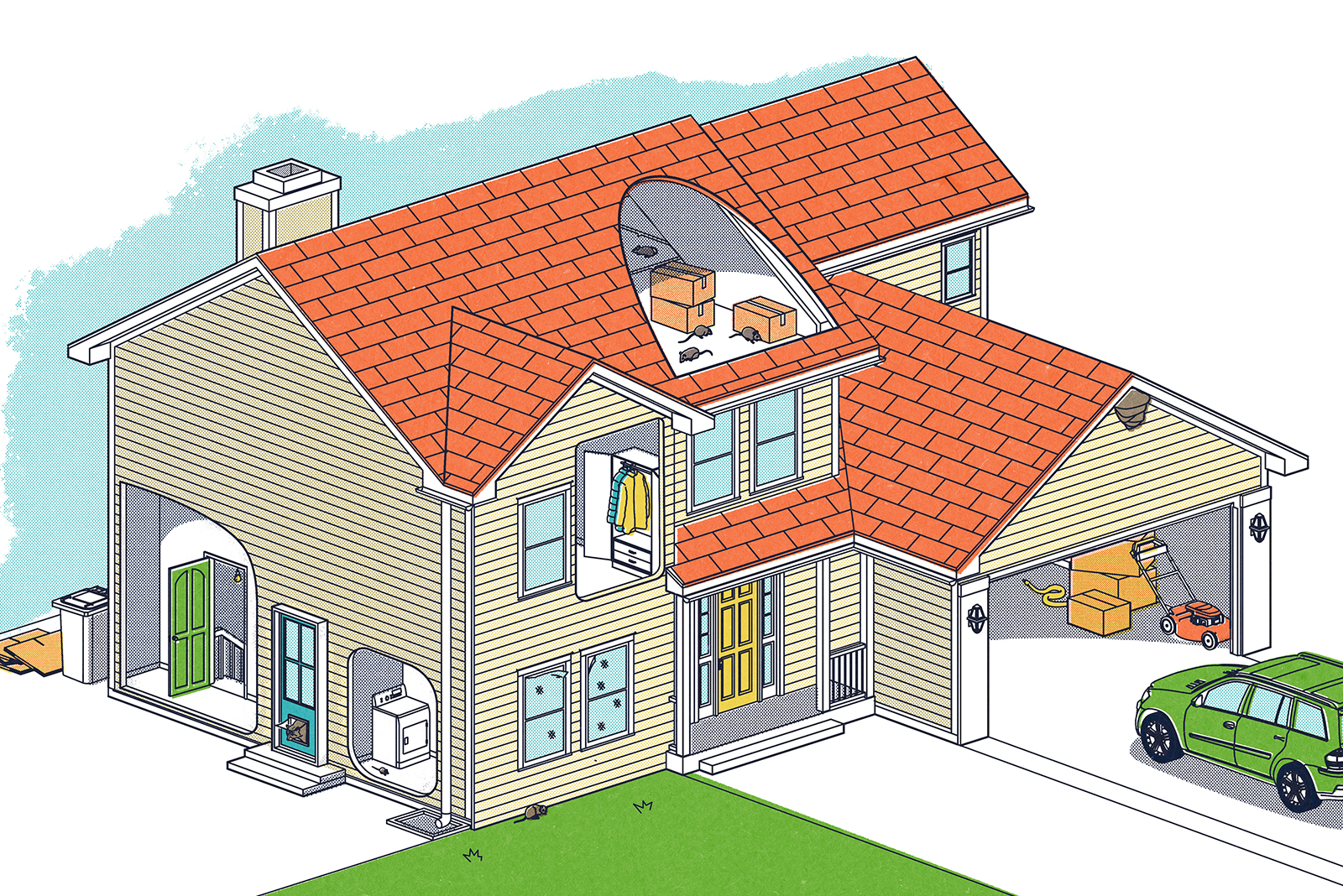
There are few things that rival a fresh-picked piece of fruit, perfectly ripened, from the branch of a tree in your backyard. Much of Texas has the perfect climate to grow a variety of pear and stone fruit trees. And while harvest time is usually in the fall, winter is when growers need to begin introducing new fruit into their yards and gardens.
Transplanted fruit trees require time to get their roots established before they can acclimate to new soil and begin to grow. The cooler soil temperatures in winter allow trees to break dormancy and their roots to begin working their way into the new dirt.
January and February are the perfect planting times, although temperature requirements for different trees in different parts of the state may vary. Contact your local horticultural specialist for details on what times are right for your location and season.
Choose a spot that gets plenty of sunlight — morning sun, if possible. This will make your tree happy and maximize the amount of fruit it will produce. An early burst of sunlight will help evaporate dew and prevent tree disease. Also remember your tree may grow very large, so plant far enough away from your home that the roots won’t invade your foundation and branches cannot fall on your roof.
The soil around your tree must drain well, since pooling and standing water around fruit trees can cause tree roots to rot. Don’t be discouraged if conditions aren’t ideal. You can improve your soil type by working in fertilizer, organic compounds, or elemental sulfur to decrease the pH of the soil; the more acidic, the better for growing. Check with a local horticulturalist, who will be familiar with the challenges and demands of your local soils.
Plenty of fruit-bearing trees thrive in Texas, but not all of them do. Here’s a little guide.
Patience is the name of the game. Some fruit tree varietals can take years until they are ready to bear edible fruit. In the first couple of years, remove small fruits that pop up so the young trees can focus their energy on establishing firm roots. Peach trees tend to begin producing edible fruit faster than other trees — sometimes in their second year. When the fruit comes in, break out the baskets and roll out the pie crusts. Your hard work has paid off!
Does your property insurance policy cover damages if a tree branch hits your house? Is your roof in good condition? Call your Texas Farm Bureau Insurance Agent to schedule a 360 Review of your home coverages.
Bottle up the fruits of your labors with jelly recipes using ingredients fresh from your backyard.
Coverage and discounts are subject to qualifications and policy terms and may vary by situation.

How to Inspect Your Home’s Foundation
Make sure your new home is on steady ground.
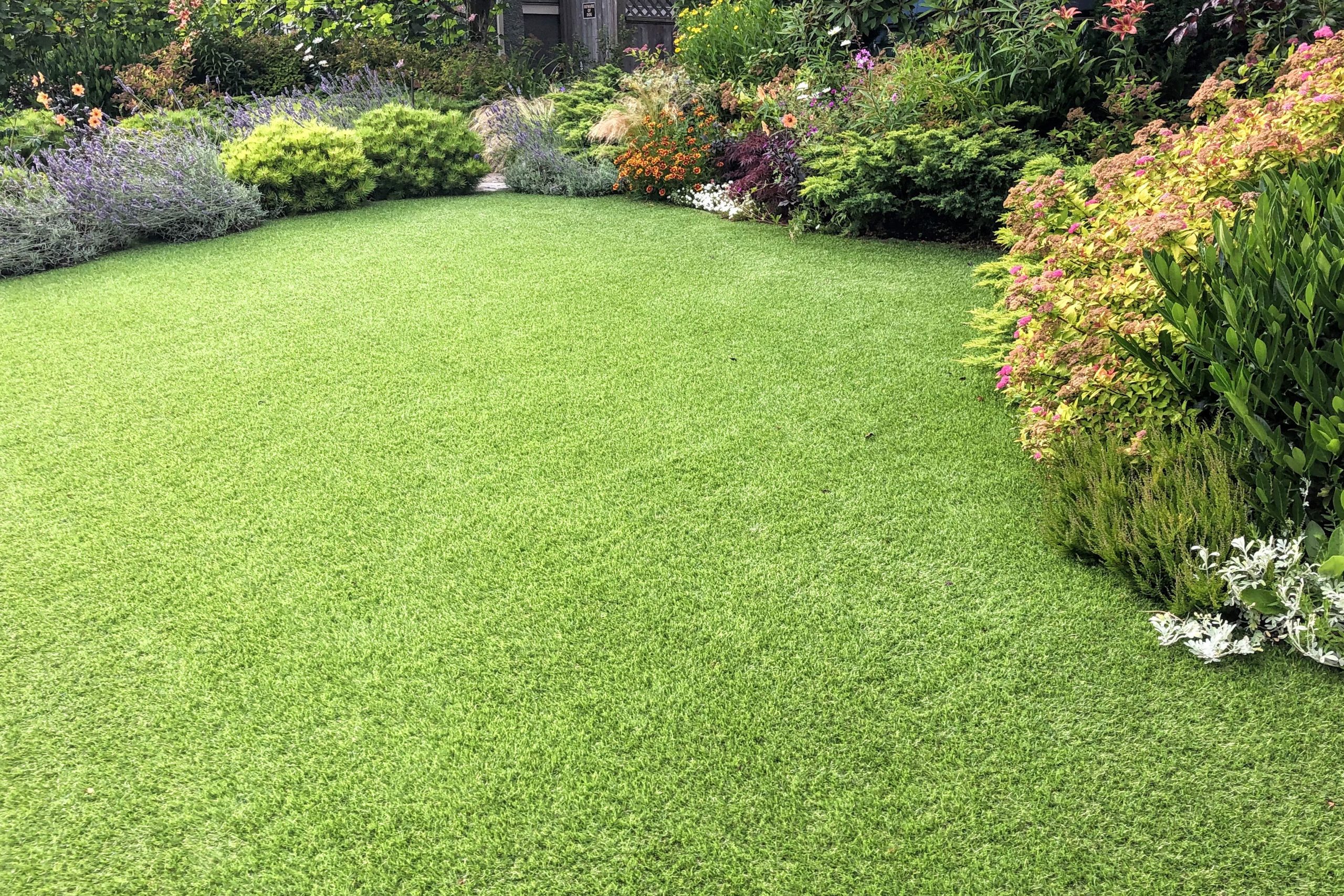
Tempted to Try Artificial Grass? Here’s What You Need to Know
New varieties of artificial grass look just like the real thing with minimal fuss (and watering).
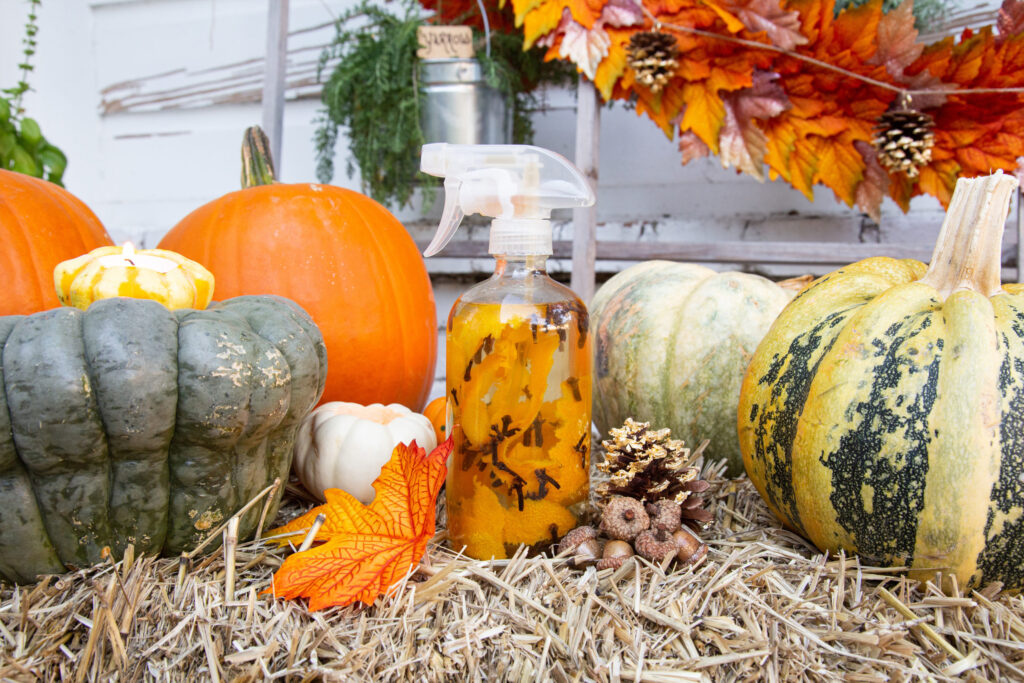
12 Fall Crafts for a Cozy Home
Find a second life for the fallen leaves and acorns scattered across your yard.
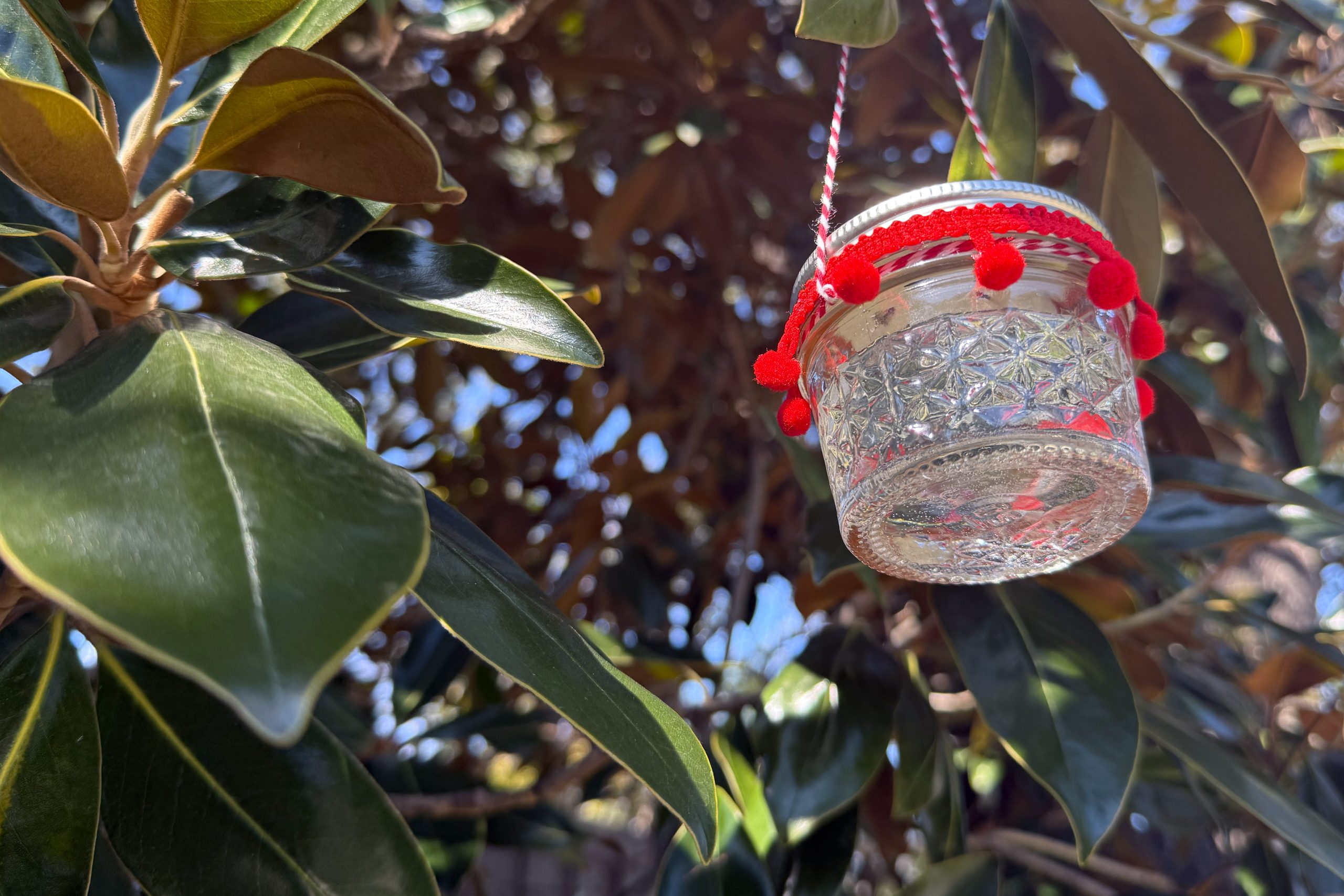
Here birdy, birdy, birdy.

Haunt responsibly.
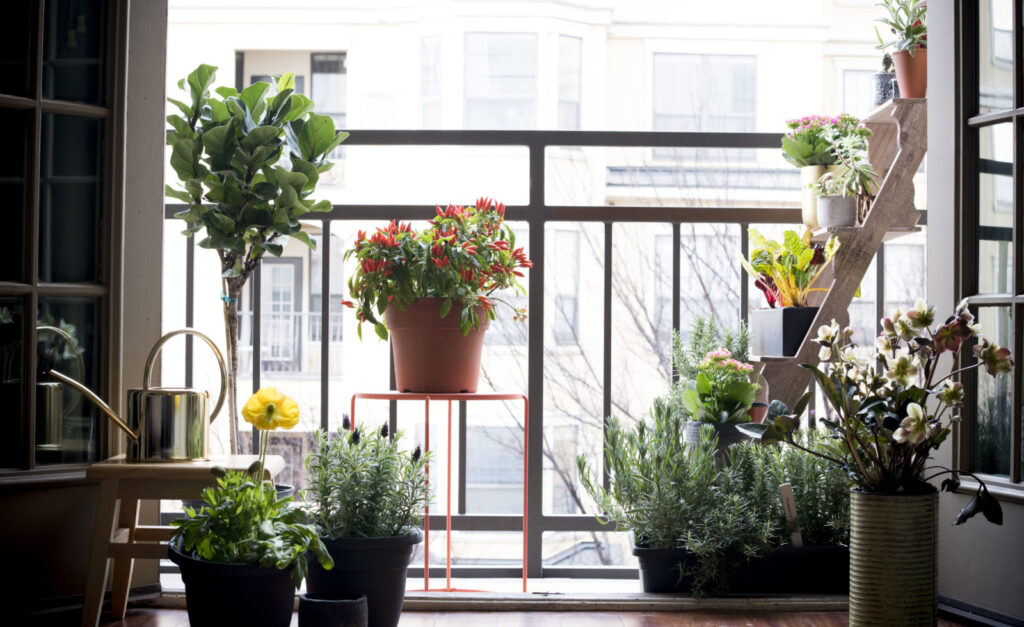
A Balcony Garden for the Urban Farmer
We don’t all have the luxury of fields, yards, and acres of space. But city life doesn’t mean you can’t get your hands dirty.