Please sign in as a member or guest below to access it.
Please sign in as a member or guest below to access it.

Stay safe driving in winter weather.
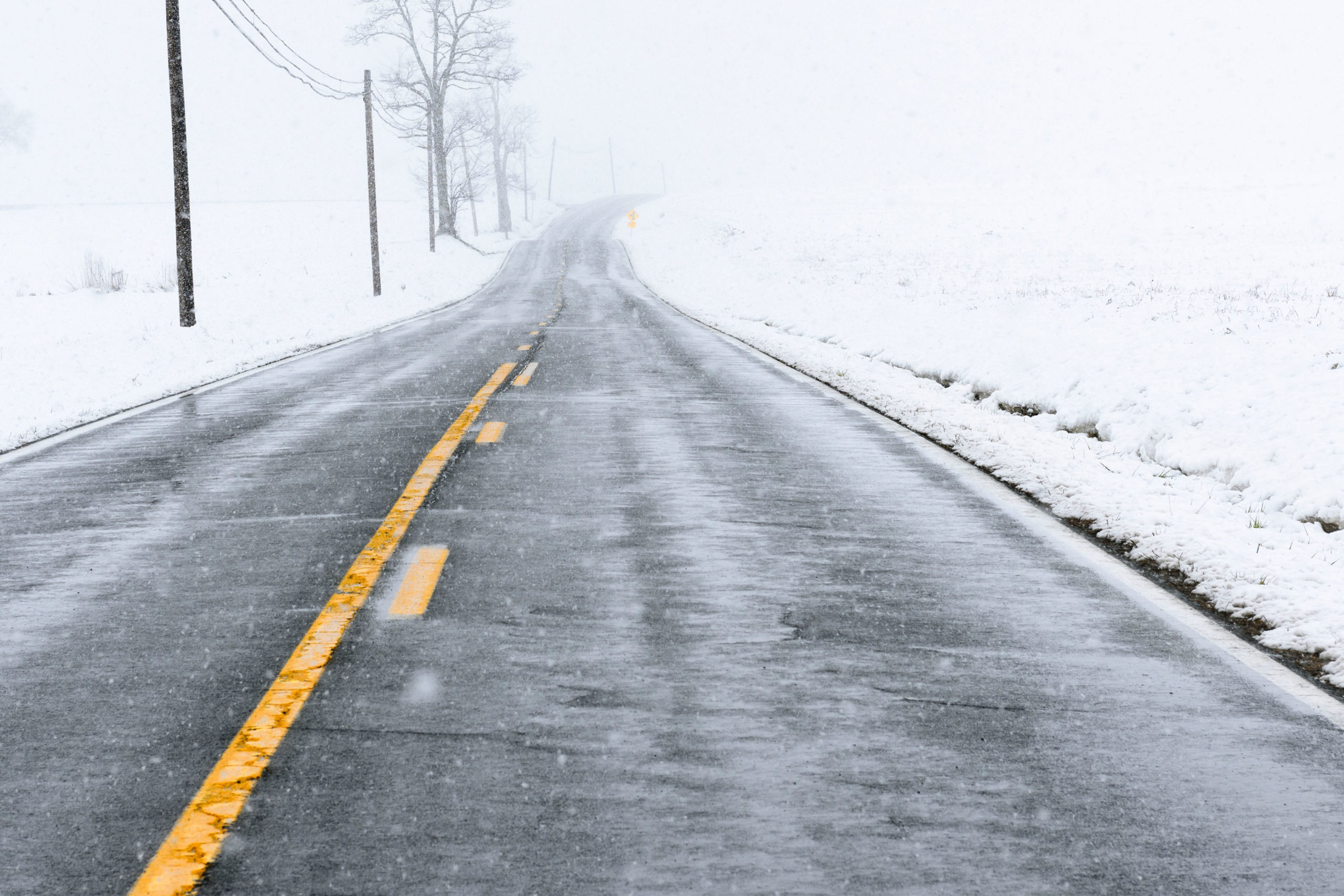
Black ice, also known as clear ice, is a thin layer of glazed ice that forms on roadways and sidewalks. It is difficult to see and can be extremely dangerous for drivers, as it can cause vehicles to lose traction and slide out of control. Texas’ wild weather fluctuations make driving on black ice a particular problem in the winter months.
If you find yourself driving on a precarious road, here are eight safety tips for winter driving, including how to drive on black ice when you can’t avoid it.
Black ice forms when the air temperature is at or below freezing (32 F), and there is moisture on the ground. It is most common on clear, calm nights when the ground is wet from rain or melted snow. It’s ideal if you can avoid driving on black ice or in precarious weather.
Keep a winter driving essentials kit in your trunk, including thermal gear, first aid, snacks, and water, and never hesitate to pull over and wait for the roads to improve if you feel unsafe.
Black ice can form quickly, and without warning, so it is imperative to stay alert and pay attention to your surroundings. Keep a close eye on the road ahead and be prepared to take evasive action if necessary. When in doubt, assume you’re driving on black ice and proceed with caution.
Cruise control can cause your vehicle to accelerate or brake suddenly, increasing the risk of a crash. If you must use cruise control, make sure to deactivate it well in advance of any areas where black ice may be present.
Black ice can form on any road surface, but it is most commonly found on bridges, overpasses, and shady areas. As you approach these areas, reduce your speed and be prepared for a loss of traction.
Sudden acceleration, braking, or steering can cause your tires to lose contact with the road, increasing the risk of a crash. Instead, make smooth, gradual movements and give yourself plenty of time to react to any changes in road conditions.
Black ice can make it challenging to maintain control of your vehicle, so giving yourself plenty of space to maneuver is important. In general, it is recommended to maintain a following distance of at least three seconds behind the vehicle in front of you. This will give you enough time to react if the other driver loses control on the ice.
Are your tires ready for winter? Deep treads and groove patterns enhance the performance — and improve the safety — of your car in winter conditions.
Use this guide to prepare and protect your most valuable assets.
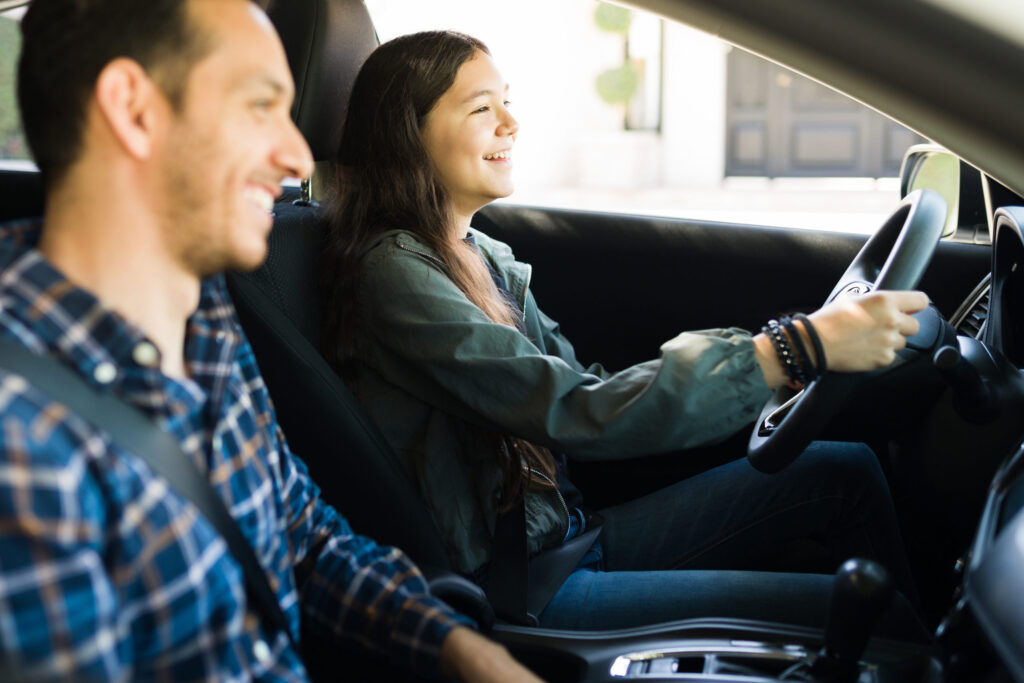
How to Choose the Best Car for Your Teen
Shopping for a teenager’s first car comes down to balancing safety and cost. We’re here to help you navigate the process.
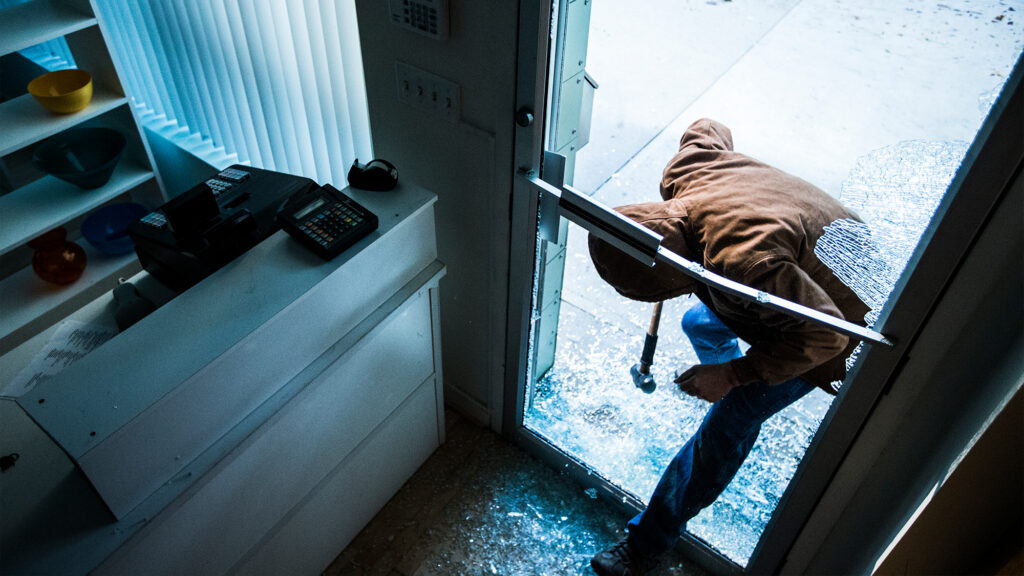
Six methods to keep yourself, your home, and your family safer.

Joining the Moped Craze? Check Texas Moped Laws
Before you hit the road Italian-style, be sure you are following Texas law.

Haunt responsibly.
Here's how to protect yourself, your home, and your valuables from significant damage.