
Please sign in as a member or guest below to access it.
Please sign in as a member or guest below to access it.

Tell rats and roaches to park somewhere else.

More often than not, the garage is more than just a place to park. It’s a catchall for things we use too often to stash in the attic but not often enough to keep in the house. Tools, roller skates, bulk pet food, and cardboard boxes pile up, supervised only by out-of-season lawn decorations and inflatable pool sharks.
While we see clutter, pests see food, shelter, and plenty of places to hide. Fortunately, a little cleaning and organization can make your garage safer, more functional, and far less inviting to roaches, mice, termites, and the like.
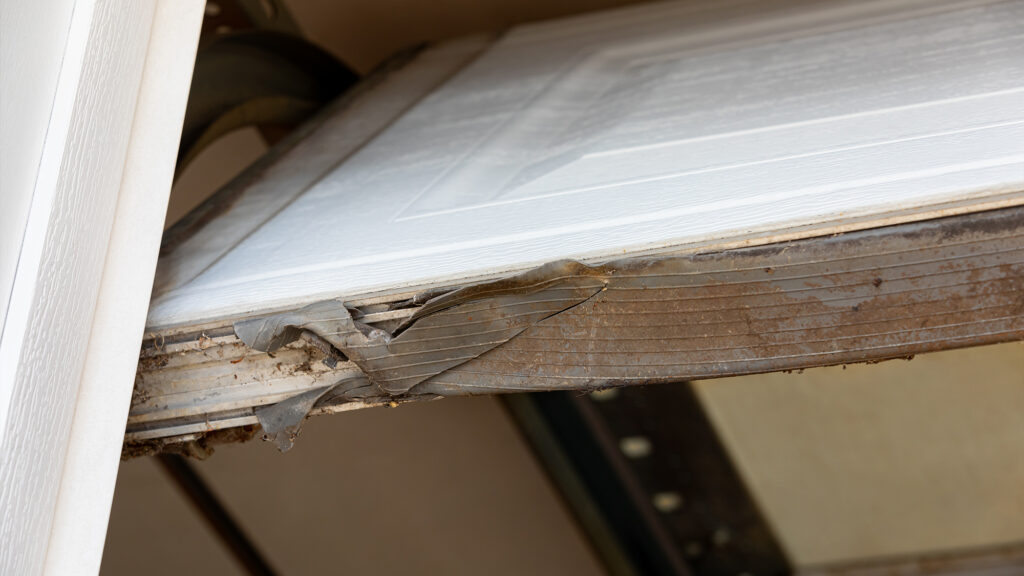
Even without heating or air conditioning, garages offer pests shelter from extreme temperatures. Thus, you might see a surge in uninvited guests in the summer and winter. Your first line of defense is to secure your perimeter. It’s scary, but true, that cockroaches can slip through gaps only 3 mm thick, the height of two stacked pennies. Inspect the garage for gaps around baseboards, windows, vents, and doors. Seal openings — even the small ones — with caulk or weather stripping.
Repair or replace torn window screens and patch cracks or holes in concrete slabs and foundations with an appropriate concrete repair product. For larger openings that rodents might gnaw through, reinforce the repair with metal mesh or steel wool before sealing it.
Pay special attention to the bottom of the garage door. Replace a worn bottom seal and add weather stripping around the frame to close common entry points. You’ll obviously need to open the door when coming and going, but closing it promptly gives pests less time to wander inside.
The fewer hiding places pests have nearby, the less likely they are to sneak into the garage. Trim vegetation away from the foundation, remove piles of leaves and brush, and avoid letting thick layers of mulch accumulate against the side of the garage, which attracts mice.
Once pests find a reliable meal in your garage, they have little reason to leave. Store pet food, birdseed, and other edible items in tightly sealed, hard-sided containers rather than their original bags. The same goes for any extra potting or gardening soil — insects can thrive on the decaying organic materials.
If you keep garbage cans in the garage, use cans with snug-fitting lids and empty them regularly. If you keep a recycling bin in the garage, use a lid, and remember to rinse out your containers to remove food and drink residue.
Garages can also trap humidity and moisture, creating an appealing environment for cockroaches, silverfish, flies, and termites. Leaking pipes, dripping hoses, and faulty water heaters may provide all the water they need to stick around.
Repair leaks promptly and wipe up standing water. If the garage remains damp, use fans or a dehumidifier to improve airflow and reduce humidity. You can also open screened windows when the weather allows.
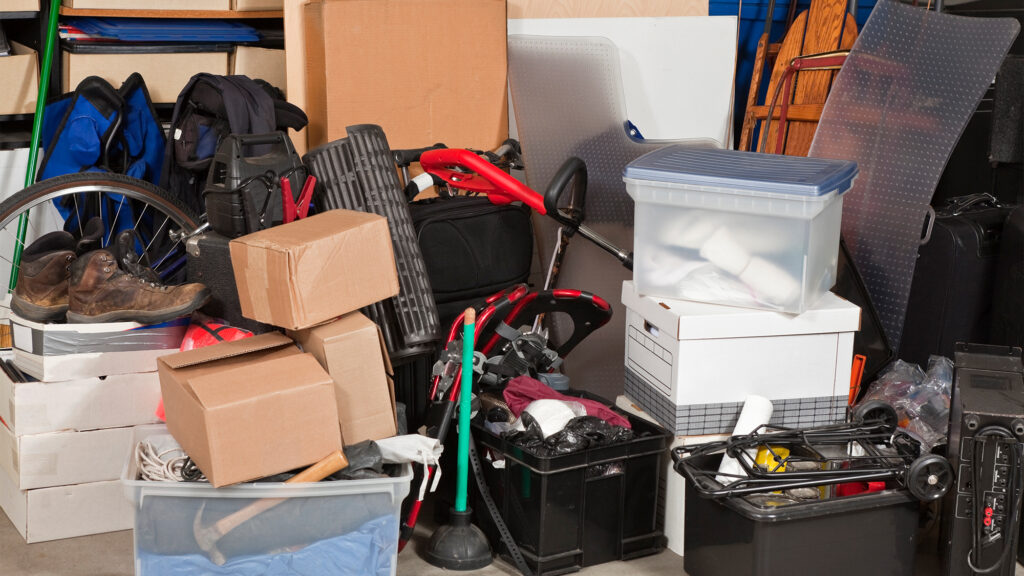
Clutter gives pests plenty of dark, undisturbed places to hide and nest. Set aside a day to sort through the garage, discard or donate what you no longer need, and move the remaining items into plastic bins with secure lids. Keep storage containers on shelves when possible and sweep beneath and behind them regularly. Do not use cardboard boxes. Cockroaches will sometimes feed on the adhesives, while rodents may use it for nesting materials. Keep upholstered furniture out of the garage, too. You do not want to find a rat’s nest dug into the seat of Nana’s armchair.
While you’re at it, make the most of the decluttering process by hosting a garage sale. You’ll give the items you don’t need a second life and perhaps make a few bucks, too.
Keep the focal point of your backyard oasis in pristine condition.
Container Gardening Made Simple
The solution to small garden spaces.

Turn Your Spring-Cleaning into a Good Deed
Our guide to spring-cleaning will help you turn your clutter into a valuable donation to a trustworthy organization in Texas.
How to Safely Store Your Clothes
You might want to ditch the cardboard boxes.

Plus, three reasons you might not need one.
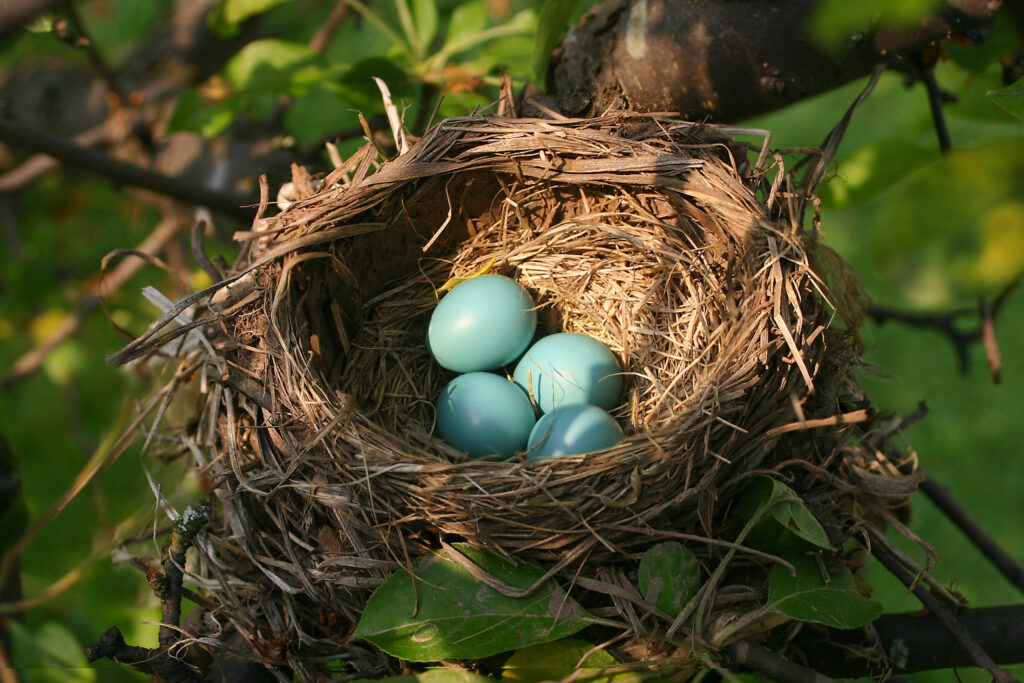
When Is It Safe to Move a Bird’s Nest?
Move along, little birdie.