
Guide to Window Replacement
There’s a lot more to the condition of a window than whether it’s broken. It can actually make a big difference in the comfort of your home, the size of your energy bills, and how well your house can weather a storm.
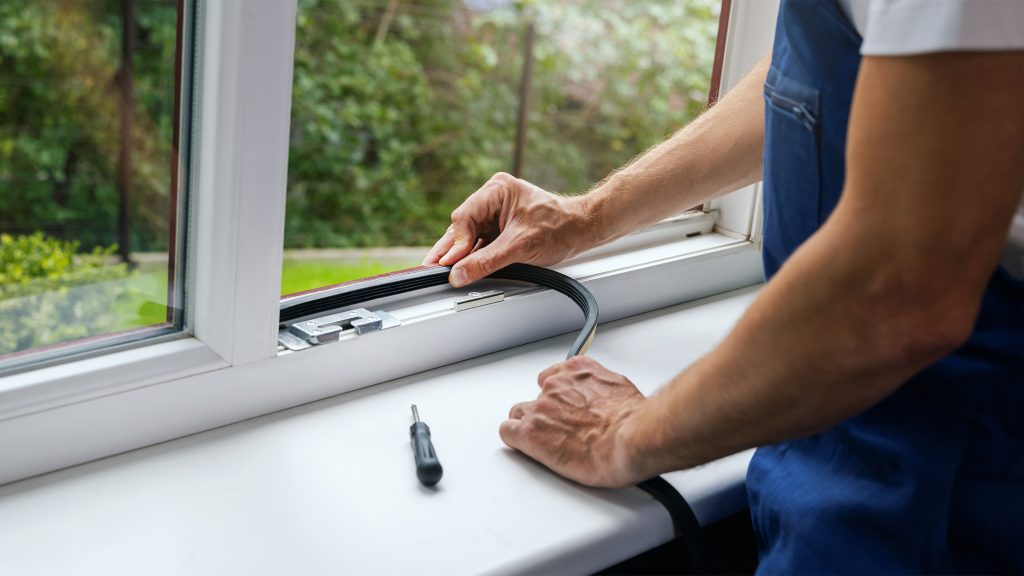
Signs It Might Be Time to Replace Your Windows
Replacing your windows can boost curb appeal, improve UV protection, and cut outside noise. But those are bonuses. When you’re trying to decide whether a window truly needs replacing, here are the essential signs to look for.
Deteriorating seals. If you feel a slight breeze or air current when you pass your window, or if pollen allergies are bothering you indoors, the airtight seal that surrounds the frame might be failing.
Water leaks. Water damage is expensive and can worsen quickly once it sets in, so it’s important to catch it early if possible. It might not be as obvious as actual water intrusion (e.g., dripping); watch for warped wood, condensation trapped between panes (indicating a failed seal), high indoor humidity, or water stains on or inside the frame.
Rising energy bills. If your energy usage hasn’t changed, but your bill has gone up significantly, your windows could be to blame. In a state where AC systems run half the year, inefficient windows make your HVAC unit work harder. Technological improvements, such as insulated glass (such as gas-filled panes with low-e coatings), work wonders.
Visible frame damage. If the frame is splintering, swelling, rotting, or chipping, it can cause leaks and make it difficult to open and close (a fire hazard) or too easy to open (a security hazard).
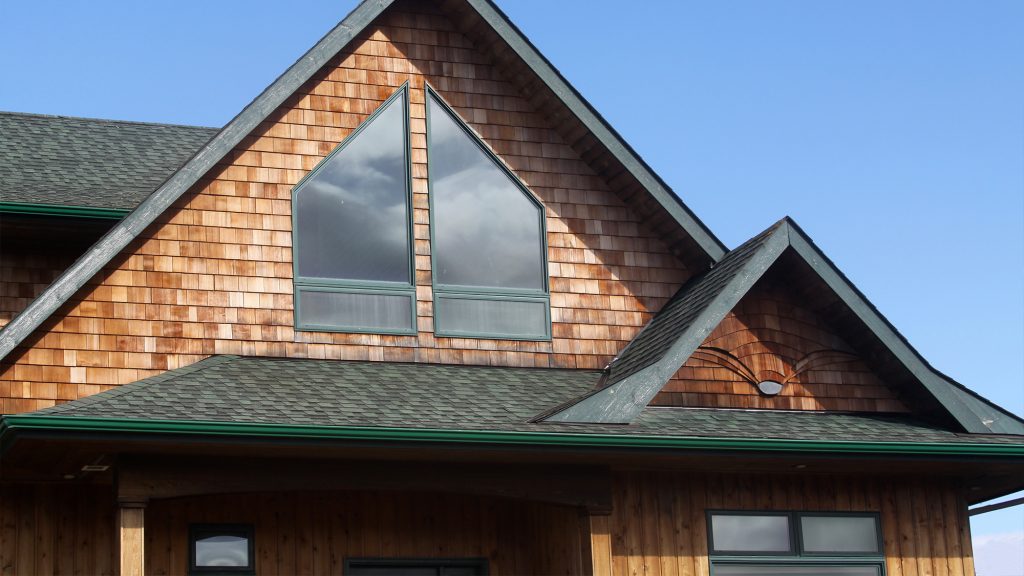
Signs Replacement Might Not Be Necessary
Window replacement can come with a steep price tag — an average of $554 per window — so consider repairing the existing window instead of replacing it. A repair could make sense in your case if:
It’s old, but otherwise fine. Lifespan estimates for windows are based on the material of their frames: 15–30 years for aluminum or wood, 20–40 years for vinyl, and 30–50 years for fiberglass. But these are descriptions, not instructions. The local climate, the quality of the initial installation, and how well you maintain it will all influence how long your window remains functional.
Only one part is broken. If the window is in good condition except for a single component — the seal, for example, or one pane of glass — it may be more cost-effective to fix it rather than replace the whole thing. This is especially true of windows with frames made of more expensive materials, such as wood or fiberglass.
The window is unique. Windows with nonstandard shapes can be very expensive, and, in the case of windows original to historic homes, sometimes legally complicated to replace. Restoring or repairing the existing window might make more sense.
Dealing with a deteriorating window sooner rather than later can save money and protect your home. If you’re unsure whether a window can be saved, quotes from a reputable contractor can help you decide.
Drafty windows are not the only thing that could be impacting your energy bill. Winterizing your home can help.
 premium
 premium
 premium