Please sign in as a member or guest below to access it.
Please sign in as a member or guest below to access it.

You need to do something with all those fallen leaves anyway.
Autumn is an ideal time to get into composting. You need to do something with all those fallen leaves anyway, so why not put them to work enriching your green spaces?
Adding compost in the fall gives your soil a nutritional boost before freezing temperatures arrive, helping plants build stronger root systems and improving soil structure and moisture retention. Come spring, your garden will be ready to take full advantage of all those nutrients waiting below the surface.
Composting is the deliberate use of the natural decomposition process to break down organic materials that would otherwise be discarded. It’s not just a trash heap; there’s a science involved. Successful composting involves carbon, oxygen, water, nitrogen, and microorganisms, and the carbon-to-nitrogen ratio affects how quickly microorganisms break down the products. The decomposition process generates heat, and an active, well-managed compost pile can reach 130–160 degrees Fahrenheit.
There is much to love about composting. It’s one of the best ways to reduce the amount of waste going to landfills; as much as 30% of all household waste can be composted. Also, it’s excellent for your soil, adding nutrients and helping it retain moisture, so less watering is required. Making your own compost can also help reduce the amount you spend on fertilizer.
You don’t need to keep your compost in a container, but it will be tidier and make it easier to “turn” your pile. Build or buy an enclosed bin that is at least 3-by-3-by-3 feet. You need to be able to access your pile regularly, so choose something that opens easily.
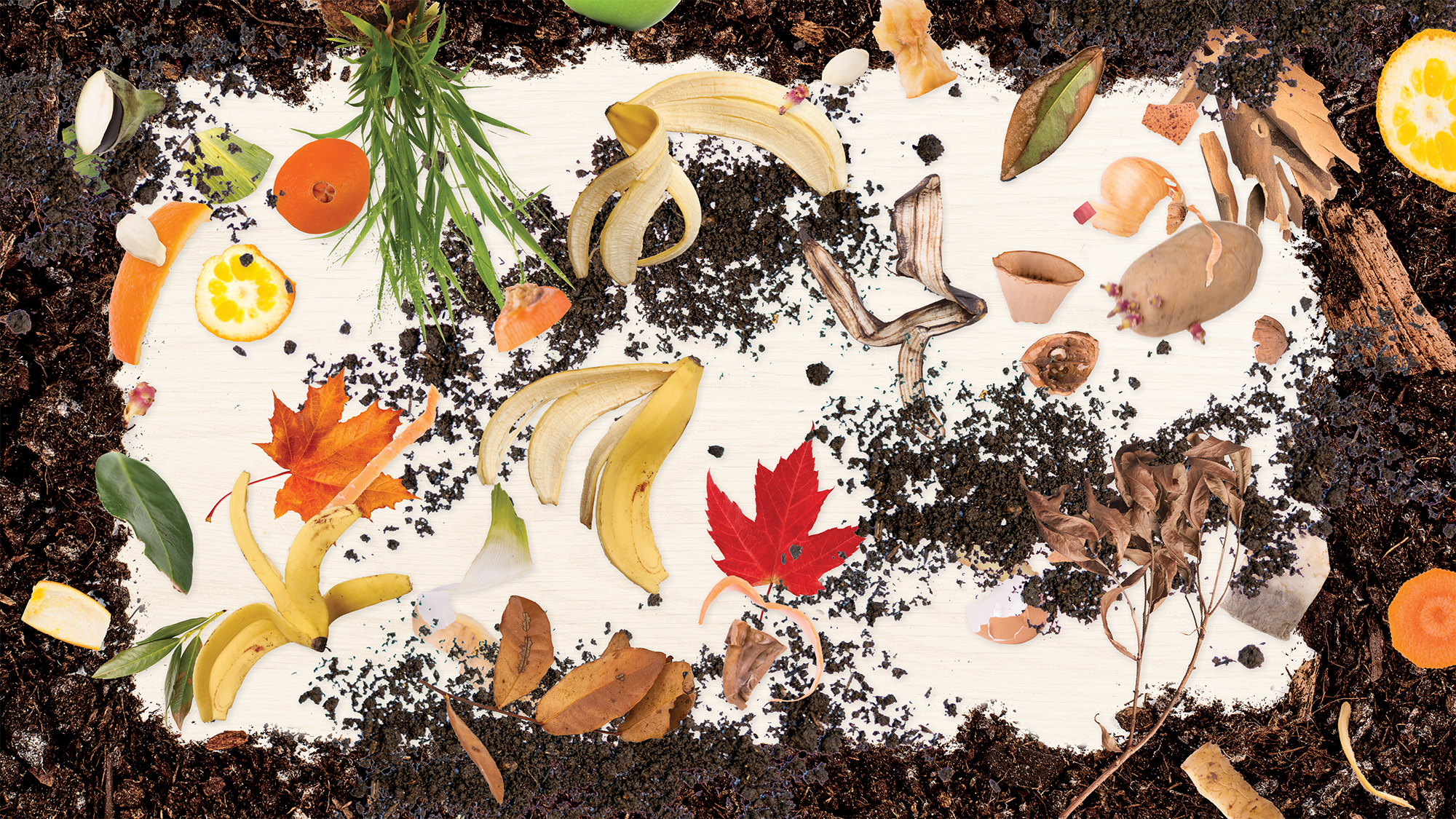
The key to healthy compost is a balanced mixture of “browns” and “greens.” Browns are high in carbon and include materials such as untreated wood or sawdust, hay, straw, dried leaves, shredded paper, cardboard, and newspaper. Greens are high in nitrogen. This includes cut grass, food scraps, coffee grounds and filters, manure, and hedge clippings. Too much of either brown or green material will slow decomposition. It can be helpful to keep a bag of fallen leaves nearby so you can balance out kitchen scraps when you have them.
Do not add animal products such as meat, fat, bones, or grease; these materials, along with dairy products, can attract pests and create odors, and backyard compost piles usually don’t get hot enough to break them down safely. Other items to avoid include pet waste, diseased or infected plants, invasive weeds that might spread, anything treated with strong preservatives, and coal ashes.
Shred or tear your materials as small as you can: The smaller they are, the faster they decompose. Wet down the whole pile until it is thoroughly moist but not soggy. (If you squeeze a handful of compost, no water should come out.) The microorganisms that break down your materials need water to survive, but too much water will keep air from moving through your pile, so containers should allow drainage. You may need to rewet your pile periodically. Covering with a tarp or lid can help retain moisture and heat while protecting the pile from excessive rain.
Turn your pile by breaking up and rearranging it using a pitchfork, hand trowel, or other instrument, rotating material from the edges toward the center. This adds oxygen, distributes moisture evenly, and speeds up decomposition. Turn your pile weekly during warmer months and monthly when temperatures drop.
Under ideal circumstances, decomposition takes three to four months, but backyard piles often take six to 12 months. When your compost is deep brown, smells earthy, and no longer heats up after turning, it’s ready for use. (“Unfinished” compost can damage plants.)
Sifting your compost through a mesh screen will catch anything that hasn’t yet completely decomposed, leaving you with finished compost that can be used as mulch or fertilizer. When planting, mix 1–2 inches of compost into the top 6 inches of soil. Established plants need less than an inch.
Before the freezing temperatures arrive, review the best ways to protect your garden from a freeze.
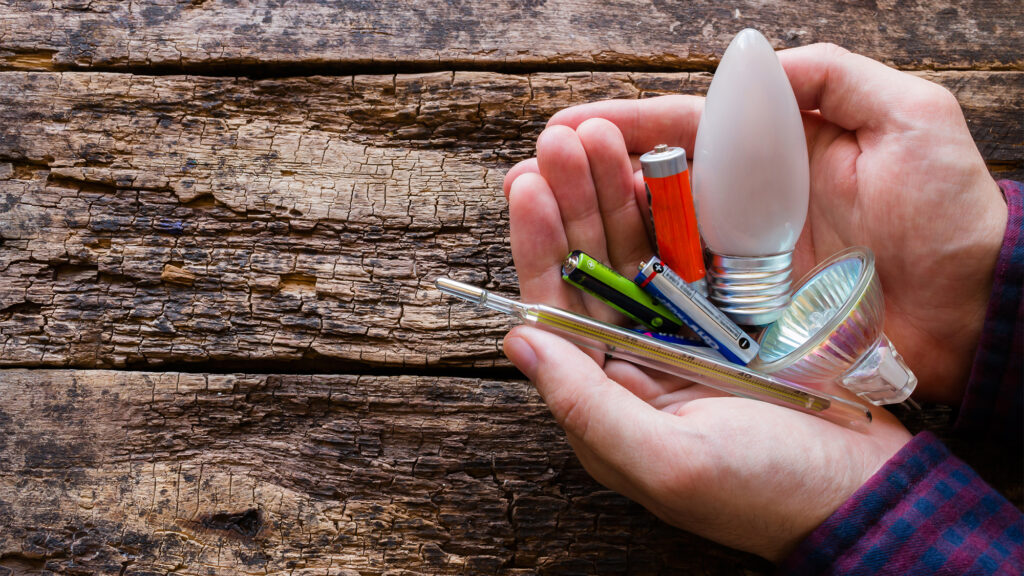
Handling Household Hazardous Waste in Texas
Including paint, electronics, batteries, cleaning products, and more.
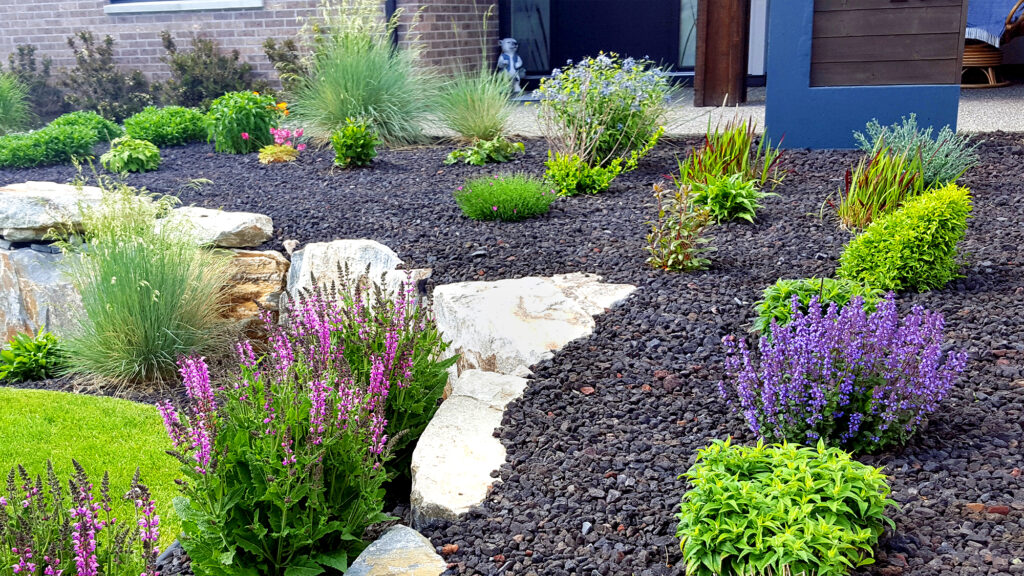
Set up your yard for year-round success.
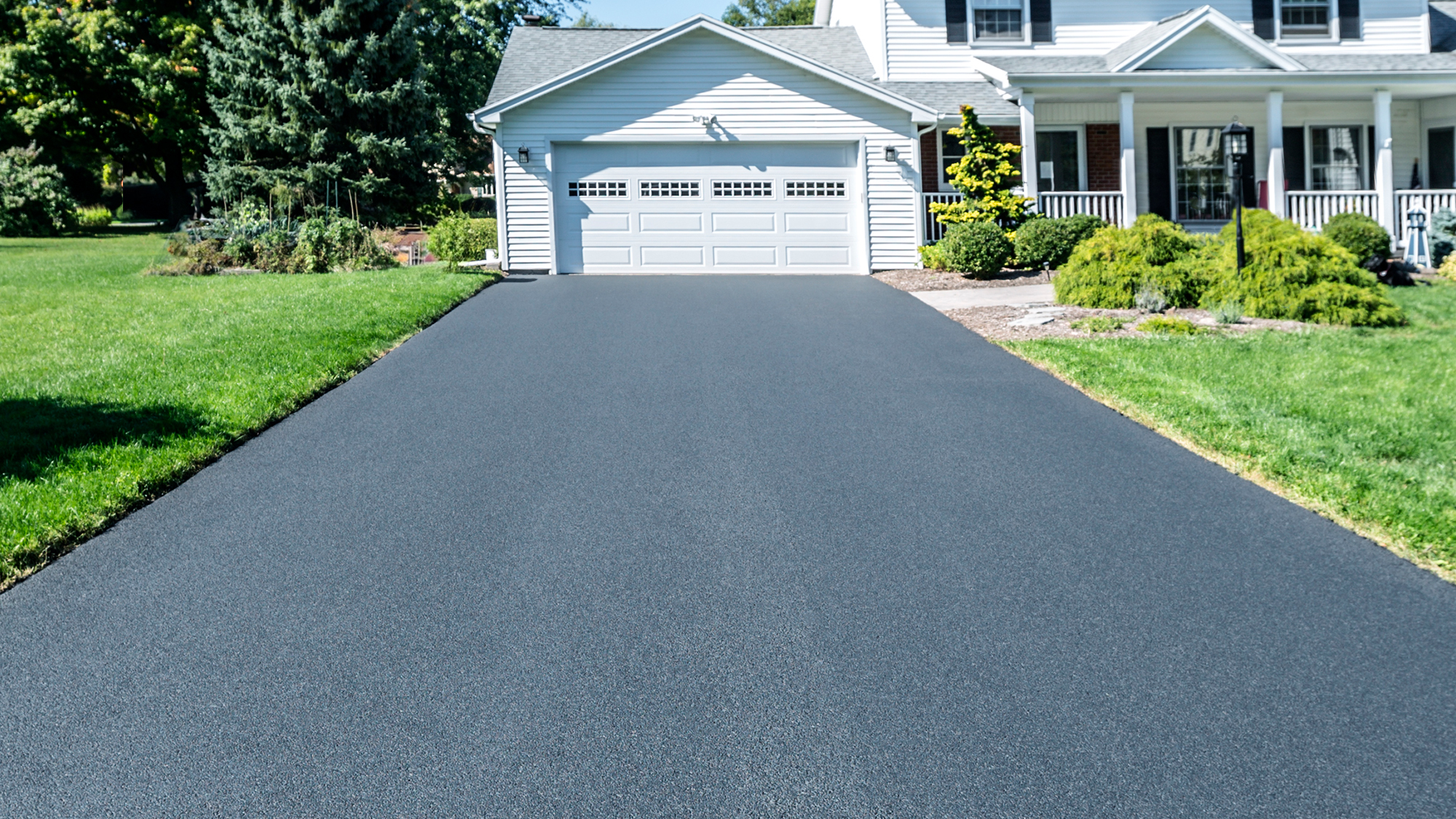
4 Options for Installing a New Driveway
The right way to driveway.
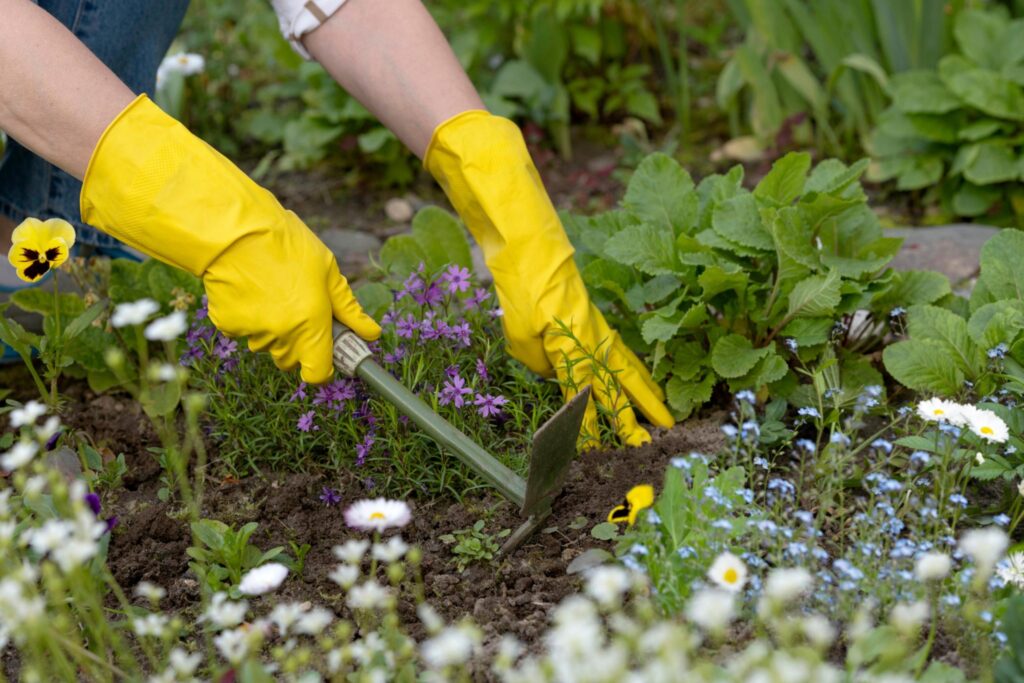
How to Keep Weeds Out of Your Texas Garden
The best way to prevent weeds is to know what kinds of plants are considered invasive.
Preserving Your Produce Just Got Easier
The ins and outs of drying, pickling, dehydrating, and canning produce.
Why Termite Prevention Is Essential for Texas Homeowners
If you haven’t had a termite problem, knock on wood.