
Please sign in as a member or guest below to access it.
Please sign in as a member or guest below to access it.

And when to change them.
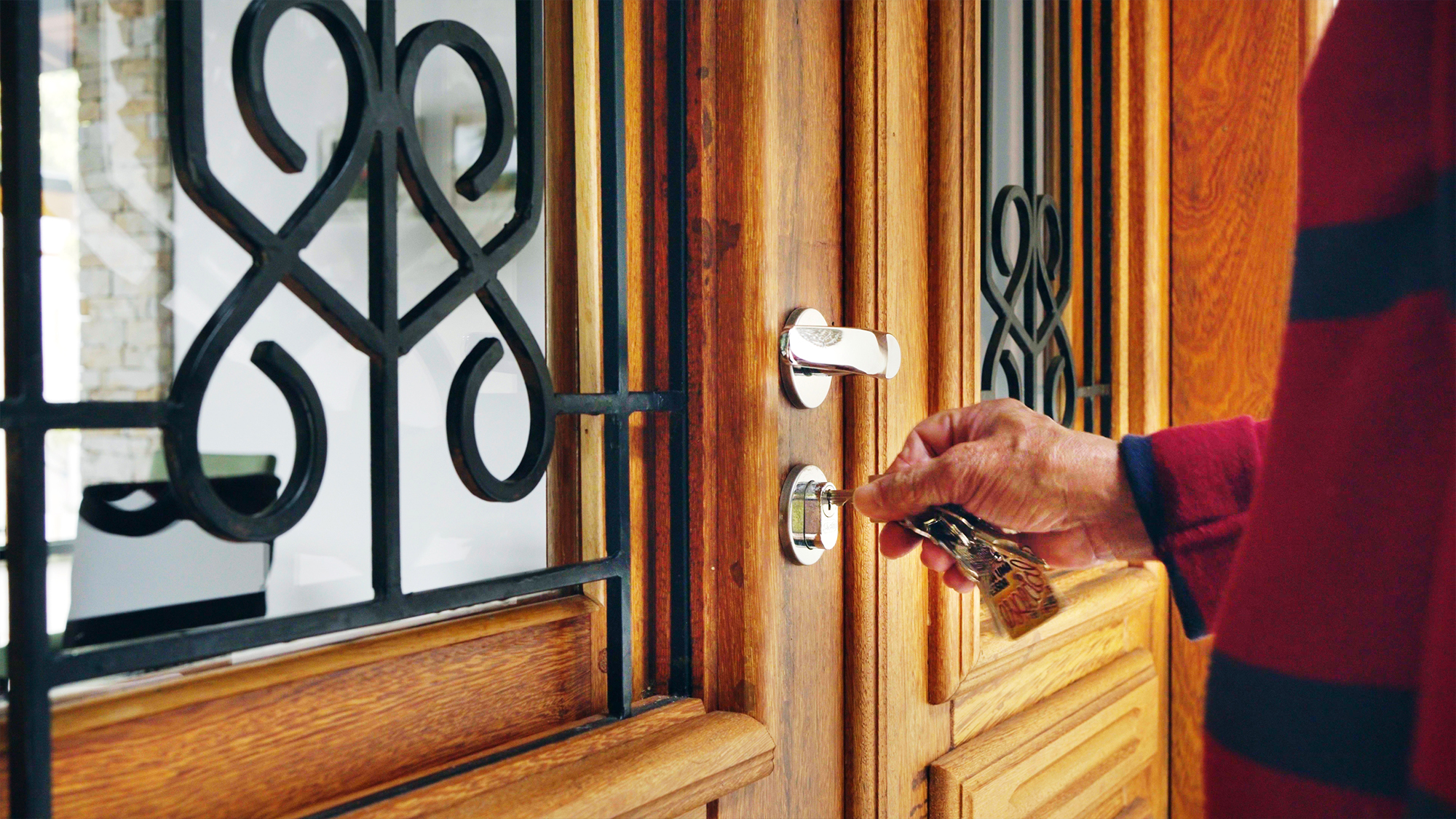
Your home’s locks are something you probably don’t think about every day, and for the most part, that’s usually a good thing. But if you’ve just moved to a new house, misplaced your keys, or simply want increased protection, there comes a time when replacing or upgrading your locks is the smart move.
Here’s a look at the most common types of locks and when it might be time to change them.
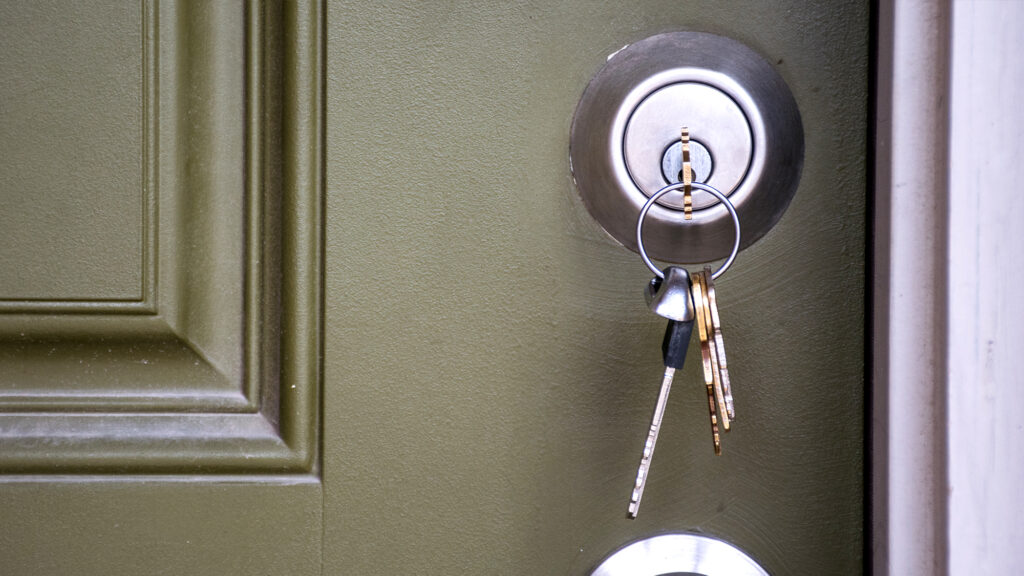
Traditional keyed entry locks are still a go-to option for many homeowners. They’re simple, affordable, and easy to use. However, like anything else, they wear out over time, so if your key sticks, the lock feels loose, or it takes a few tries to unlock the door, that’s a sign it may be time for a replacement.
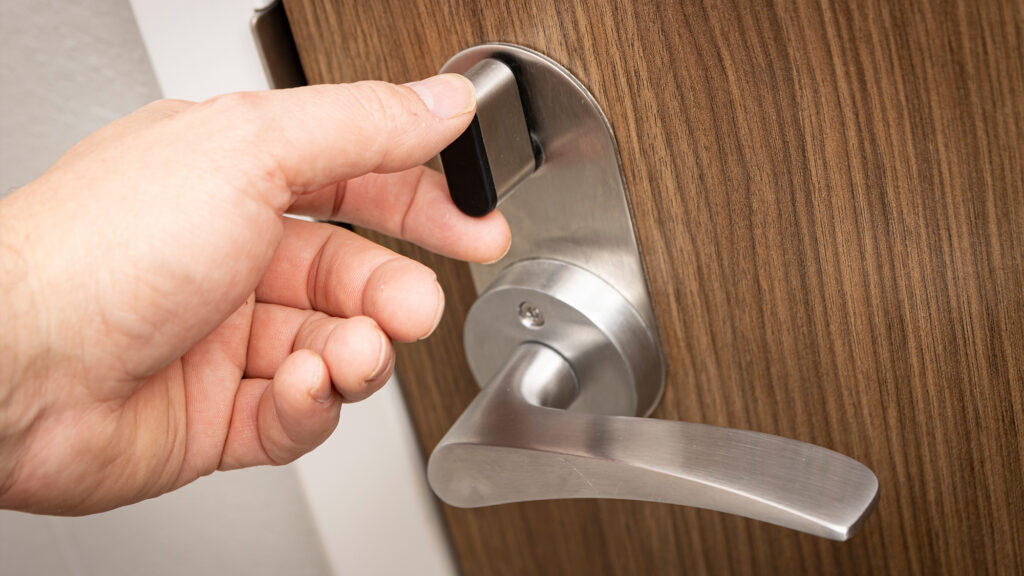
If you’re looking for strong, dependable protection, a dead bolt is one of the best, affordable options — especially when paired with a traditional keyed lock. They’re designed to resist forced entry much better than standard door latches, making them a popular choice for front and back doors. If your current dead bolt is old, damaged, or difficult to lock, replacing it with a newer, high-quality model can give you added peace of mind.
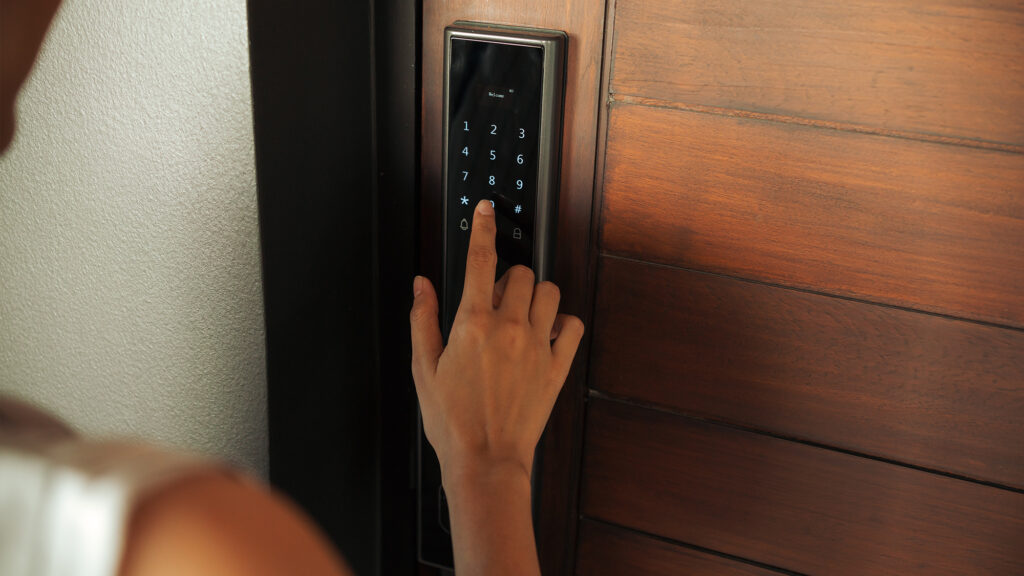
Tired of carrying around a house key? Keypad locks let you lock and unlock your door with a personal code instead. They’re especially convenient for busy families, rental properties, or anyone who wants to give temporary access to guests or service providers without making extra keys. Just remember to choose a unique access code (not your address) and avoid sharing it more than necessary to keep your home secure.
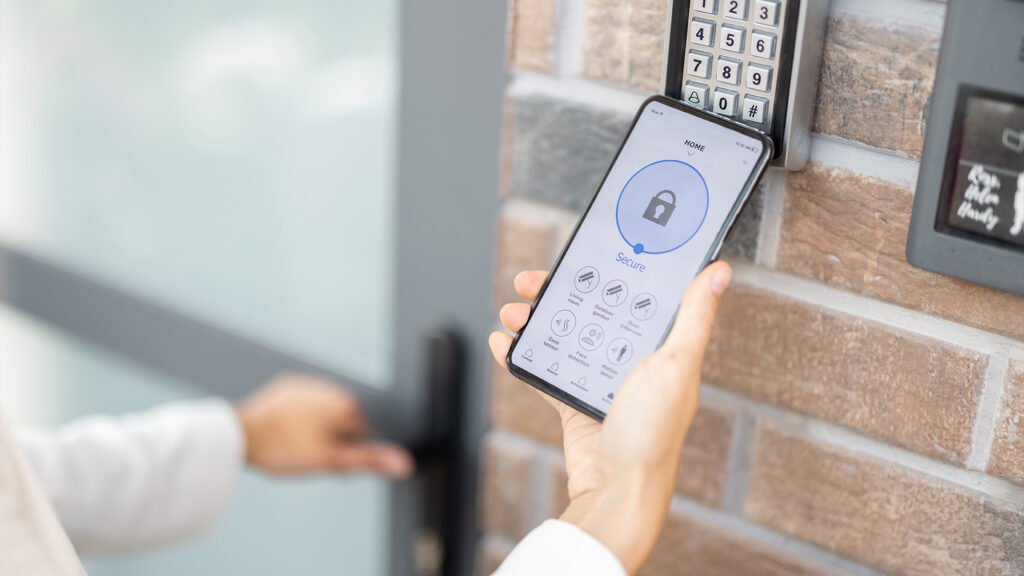
Smart locks take convenience one step further. Many models let you lock and unlock your door from your smartphone, receive alerts when someone enters, and even create temporary digital keys for visitors. For homeowners who frequently travel or simply like having more control over their home’s security, smart locks can be an excellent upgrade.
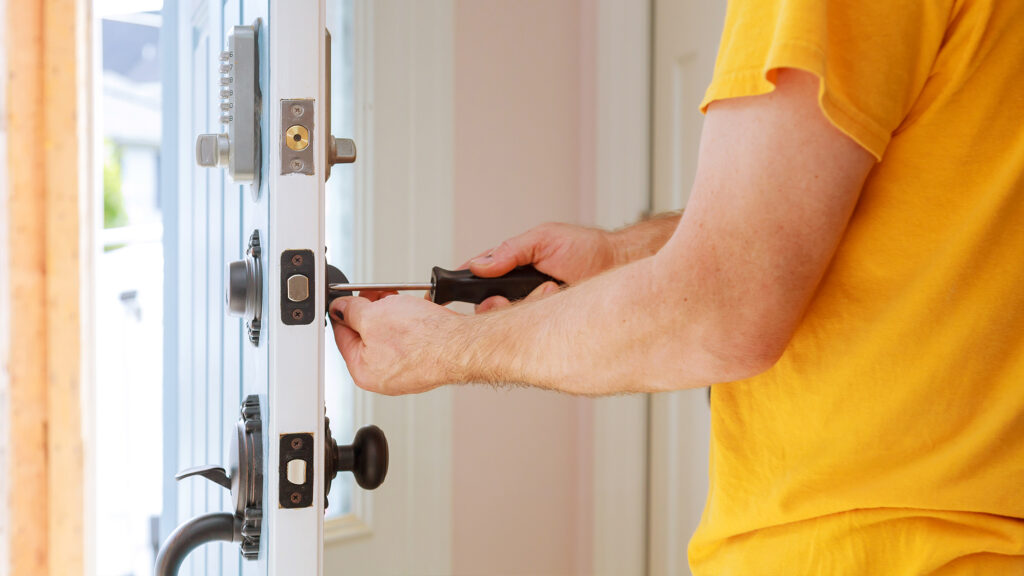
Here are some of the most common situations when replacing or rekeying your locks is worth your time and effort:
With new technology comes increased convenience, but it’s critical to keep your smart home devices secure.

Protecting Older Drivers on the Road
Know before you go.
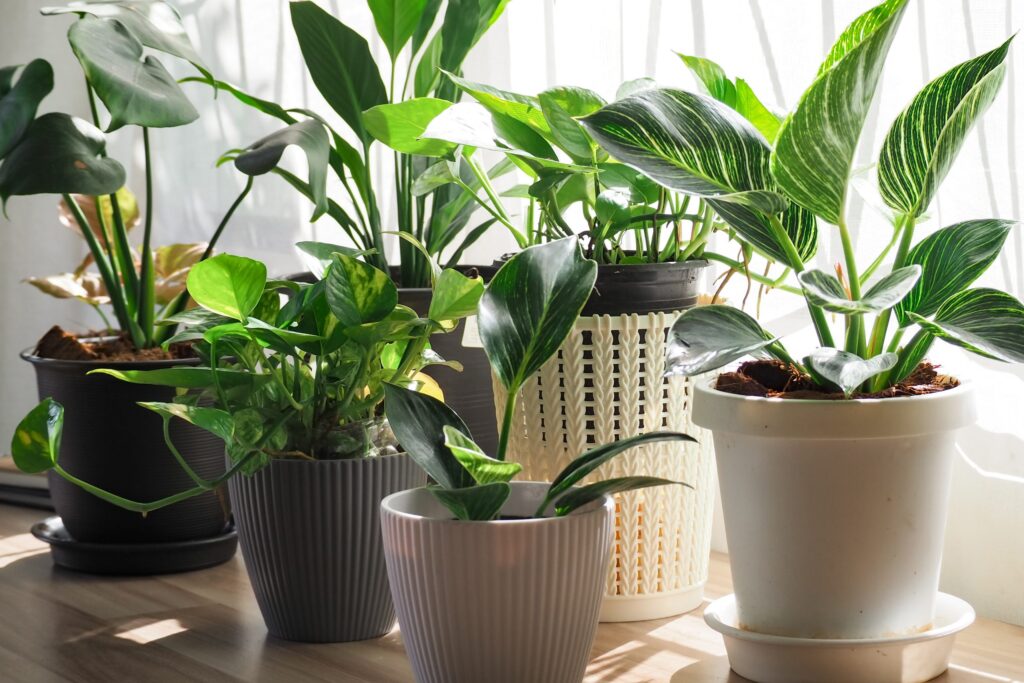
Container Gardening Made Simple
The solution to small garden spaces.
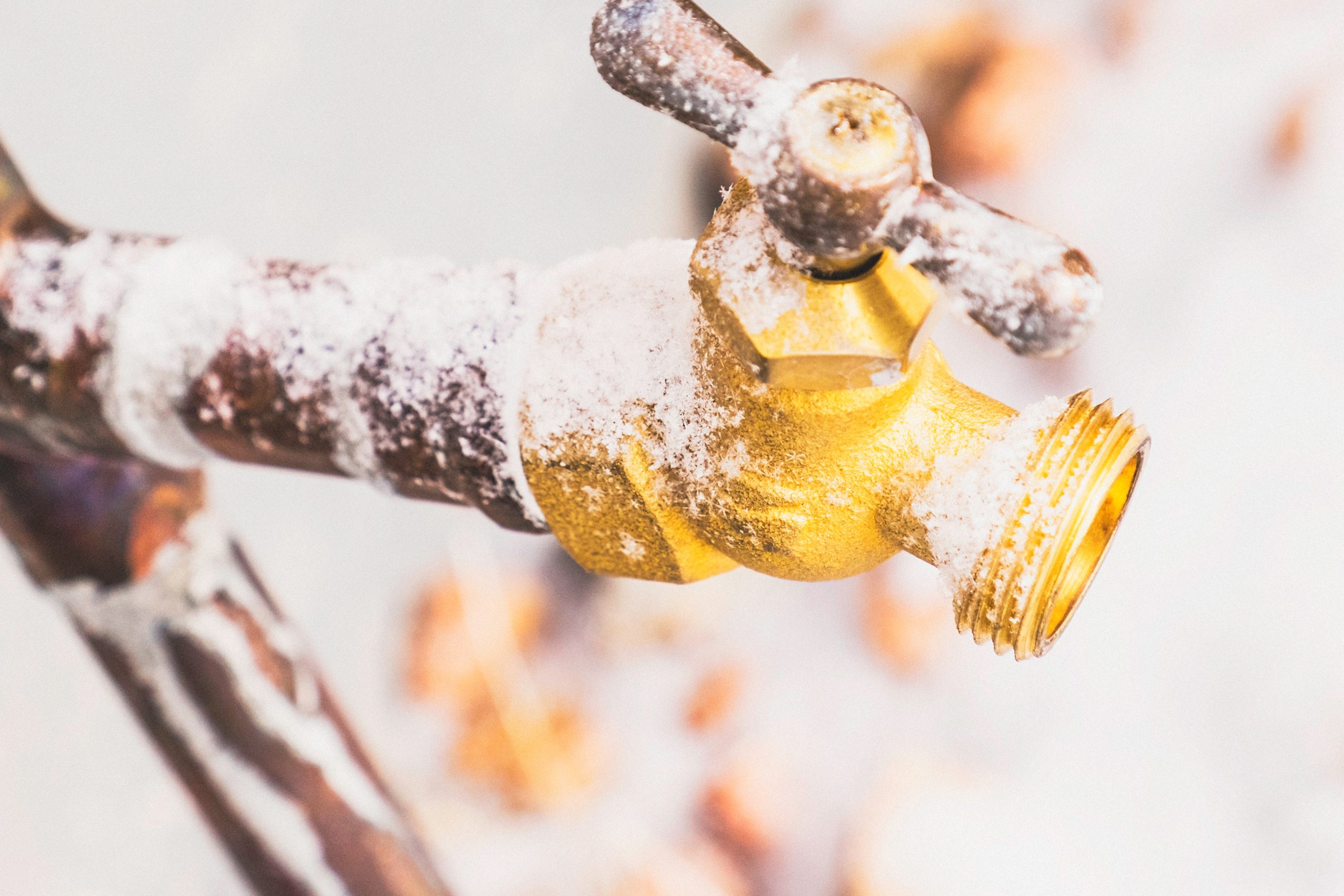
How to Prevent Your Pipes from Freezing in the Winter
And what to do if one bursts.
Car-cooling tips for surviving summer heat waves.
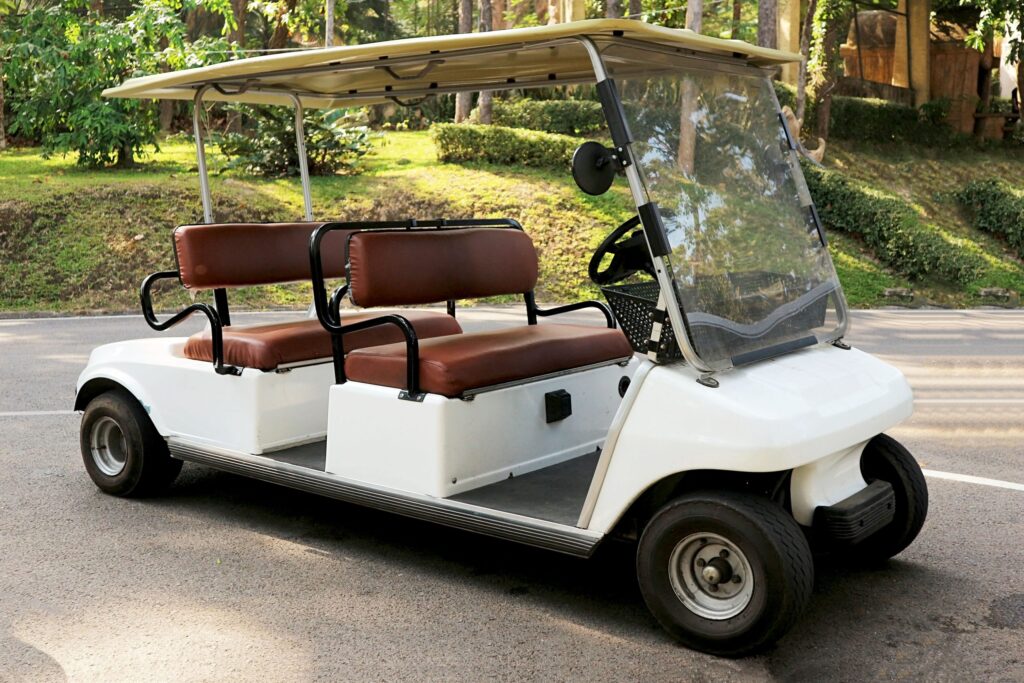
The Rules For Driving Golf Carts on Roads
And tips for a comfortable ride.
Your Annual Water Heater Maintenance
The Texas Department of Insurance recommends homeowners check their units for rust, cracks, and clogs at least once a year.