
Weather Center: The Ultimate Texas Weather Roundup
Extreme Texas weather is no laughing matter: We have more tornadoes and hailstorms than any other U.S. state, the second-most hurricanes in the country, and millions of lightning strikes annually—not to mention regularly triple-digit temperatures in peak summer. Prepare yourself and your family for anything with our safety guides to Texas weather of all kinds.
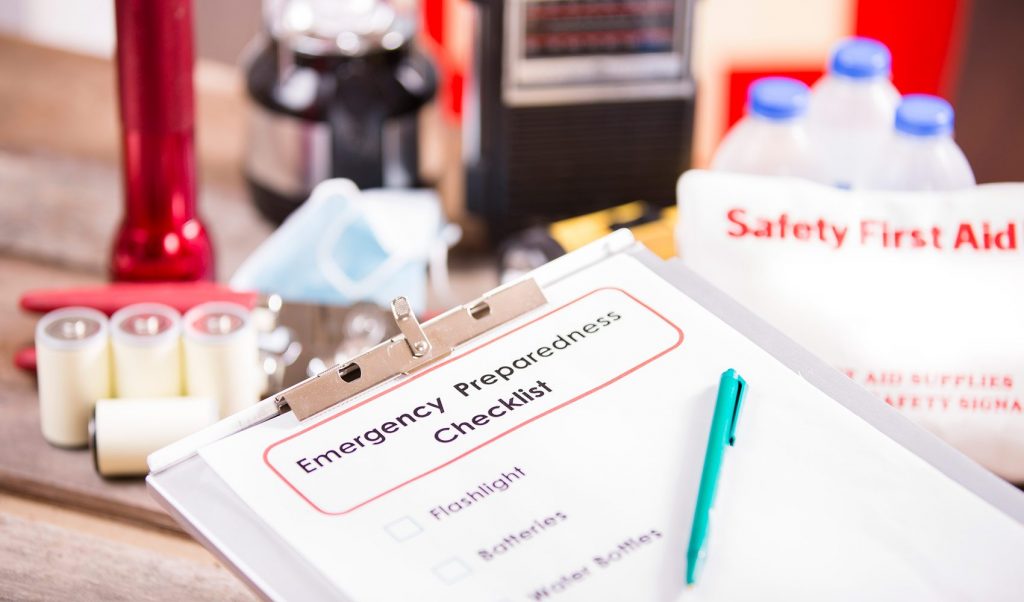
Natural Disasters
Tornadoes: With an average of 135 tornadoes per year since 1997, Texas is the most twister-prone state in the entire country. Although tornadoes are virtually impossible to predict, you can prepare for them by knowing what to do and where to go when the sirens sound. Check out our Texas tornado safety guide for preemptive home-preparation tips, debunked myths about twisters, and more. And in the aftermath of a tornado, learn how to assess the damage to your property and file a claim with our tornado recovery guide.
Hurricanes: Florida is the only U.S. state affected by more hurricanes than Texas, which has seen some 80 disastrous tropical storms in the last four decades. The most recent, Hurricane Harvey in 2017, caused more damage and fatalities than any other hurricane in Texas history. If you live anywhere near the Gulf Coast, arm yourself for hurricane season (June through November) with our hurricane preparation guide and have an emergency evacuation plan in place. If you live further north, be prepared for residual heavy wind and rainstorms with our storm guides below.
Earthquakes: Texas has been experiencing more earthquakes in recent years and of varying magnitude. The areas at greatest risk are throughout North Texas, the Panhandle, and just south of San Antonio, but earthquakes can happen anywhere without warning. Consult our guide to earthquake safety to mitigate the risk to your home, land, and other property should an earthquake happen near you.
The most important part of preparing for natural disasters is, of course, the safety of you and your loved ones. Familiarize yourselves with the proper places to take shelter when a tornado, hurricane, earthquake, flood, or other natural disaster strikes.
Storms
Flooding: Unfortunately, flooding is a regular occurrence all over Texas. There are designated floodplains that are at higher risk, but the fact is flooding can happen anywhere and without much warning. Take preventive measures with this guide that offers some home maintenance tips to protect your foundation, gutters, and landscaping from flood damage. We also have a step-by-step guide to rebuilding after a flood and an overview of the intricacies of flood insurance.
Hail: Everything’s bigger in Texas—especially the hail. Hundreds of hailstorms hit the state every year (more than any other U.S. state, in fact), racking up millions of dollars of damage annually. Learn how to protect your vehicle from Texas-sized stones in our hail safety guide, which also provides guidance on filing a claim once the skies are calm.
Wind: Heavy storms often mean heavy winds, particularly for Texans on the Gulf Coast. If winds become powerful enough, they can cause serious damage to the shingles, siding, gutters, and untethered property on and around your home. Fortunately, windstorm insurance is an option. Learn whether it’s right for your policy from our windstorm insurance guide.
Lightning: Although lightning strikes are impossible to predict, there are steps you can take to prevent serious injuries, damage to your home, and possibly death. Learn the real dangers of lightning, how to protect your home, and the insurance coverage you may need in our guide to lightning-strike safety.
Heat
Dehydration: Talking about how hot Texas summers can get is like beating a dead horse, but when it comes to safety, it’s a conversation worth having. The first rule is, of course, staying hydrated. It sounds simple, but it can often be forgotten while vacationing at the beach, boating on a lake, or attending a summer camp. Check out our other tips for staying cool and safe when temperatures reach new peaks.
Droughts: Although summer rainstorms are more recognizable, Texas heat can bring on long periods of drought. Week- or even monthlong dry spells can decimate yards and gardens, increase the risk of wildfires, and even damage the foundation of your house. Learn how to prepare your property (and policy) with our guide to droughts.
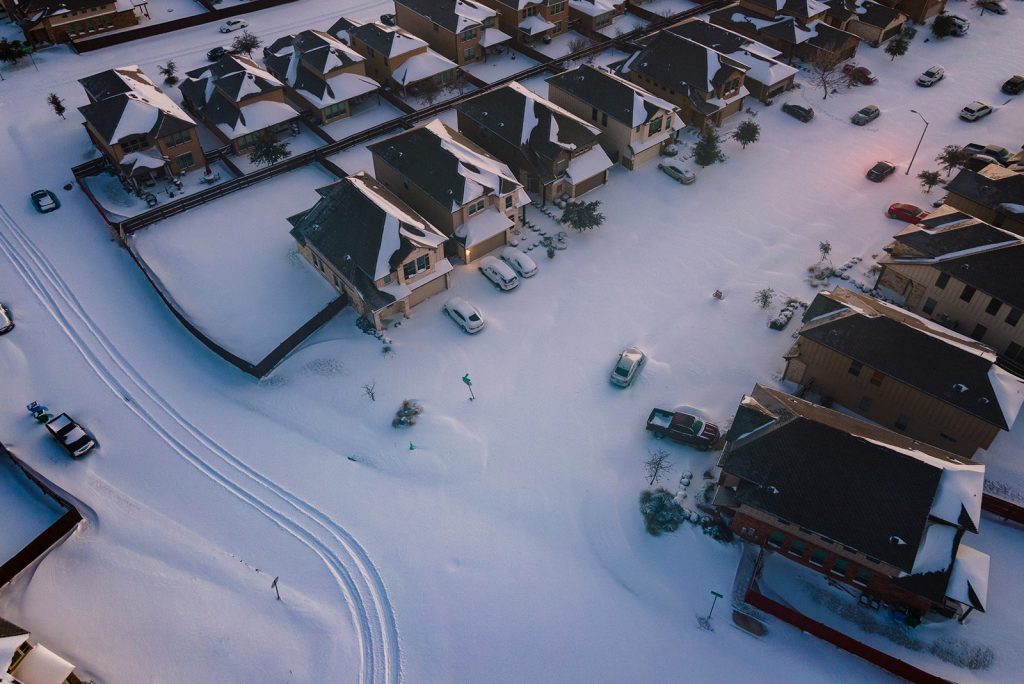
Snow & Ice
Power Outages: No one expects snowstorms in Texas—and that unpreparedness is half the problem. Ice, snow, and subzero temperatures can strain our state’s electrical grid, meaning it’s not uncommon for homes to lose power and, therefore, heat—sometimes for days at a time. Be prepared for outages with our guide to winter storms.
Icy Roads: Whether you’re on the road when the temperatures drop or you need to leave the house when streets are thick with ice, it’s essential to know how to operate a vehicle in ice, snow, sleet, and freezing rain. Consult our guide to navigating icy roads to learn how to stock your car, when it’s safe to drive, and what to do in case you get stranded.
Winterizing Your Car: Before freezing temperatures hit, prepare your vehicles by replacing their wipers, checking their oil levels, and inspecting their tires (and making sure they’re equipped with the right ones). It’s all in our guide to winterizing your car.
The Bottom Line
Texas weather might be unpredictable, but you can stay ahead of any surprises, disasters, and weather damage by reading our comprehensive annual Texas weather forecast.
Learn more about Texas’ great outdoors. When the weather’s a bit calmer, explore the state’s nature preserves, hiking trails, and more .
Coverage and discounts are subject to qualifications and policy terms and may vary by situation.
© 2023 Texas Farm Bureau Insurance